
by Matt Hislop | Aug 25, 2026 | Anxiety, Communication, Connection, Counselling, Curiosity, Emotional, Encouragement, Family, Forgive, Forgiveness, Guidance, Health, In The Community, Mental Health, Mindfulness, Motivation, Reflection, Relationship, Relationships, Resources, Safety, Self Confidence, Stress, Therapy
Relationships matter. They give us a sense of purpose, belonging, and meaning in our lives. When our relationships are going well, they can positively influence our physiological, emotional, and social well-being. We may feel more secure, supported, seen, and heard.
When relationships become strained, however, we can experience hopelessness, feeling stuck, overwhelmed, or disconnected from one another. Couples therapy can provide an opportunity to slow things down, understand what is happening beneath the conflict, and develop new ways of connecting.
Two approaches that have significantly influenced couples therapy are Emotionally Focused Therapy (EFT), developed by Sue Johnson and colleagues, and the Gottman Method, developed by John and Julie Gottman. While they have different frameworks and terminology, both approaches emphasize connection, emotional responsiveness, and understanding the patterns that develop between partners.
Physiologically: Understanding Emotional Flooding
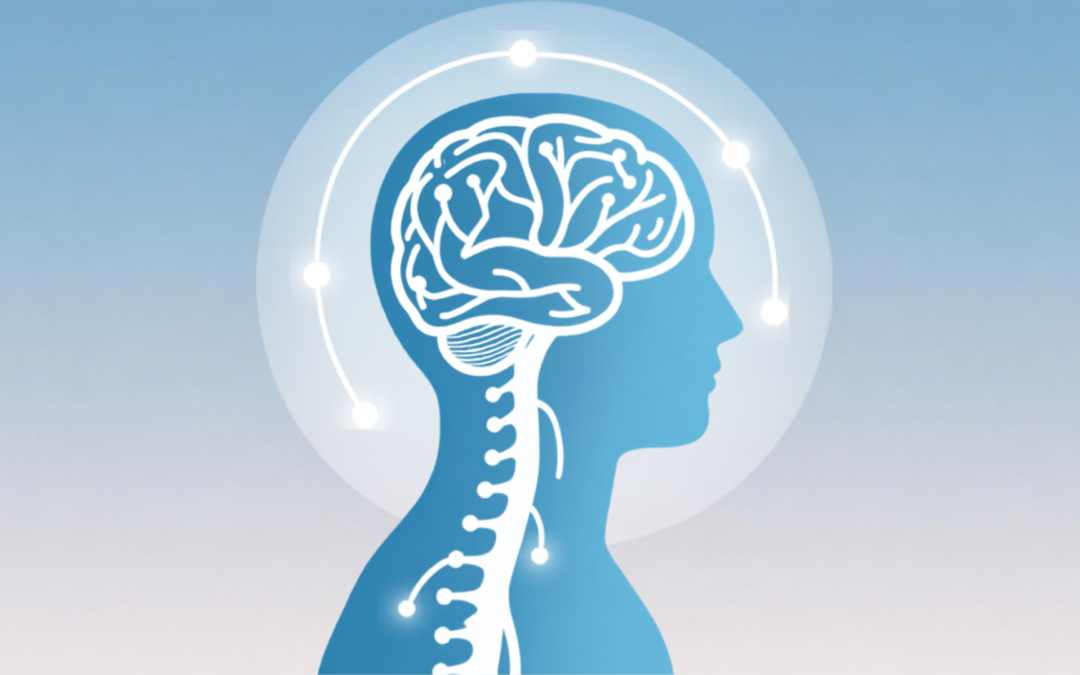
Relationship challenges can affect us physically as well as emotionally. Stress within a relationship may contribute to irritability, anxiety, difficulty concentrating, rumination, low mood, and feeling overwhelmed. When our nervous system becomes activated, it can become much harder to listen, communicate clearly, and remain connected to our partner.
The Gottmans describe one form of this intense physiological activation as emotional flooding. When someone becomes flooded, their body can enter a heightened state of arousal. Heart rate may increase, breathing can become more rapid, and it can become difficult to think clearly or remain receptive to what a partner is saying.
The Gottmans have highlighted heart rate and other physiological signs as useful indicators that someone may need a break from a difficult conversation. A heart rate around 90 beats per minute has been discussed in Gottman research as one indicator of flooding, but it is important not to treat 90 bpm as a universal clinical cutoff. People differ in their baseline heart rates and in how they experience physiological stress.
The more important skill is learning to notice when you are becoming flooded.
When this happens, it can be helpful to pause the conversation, take some time to breathe and self-soothe, and allow the nervous system to settle. Taking a break does not mean abandoning the conversation. In fact, it can be an important part of maintaining the relationship.
A helpful message might be:
“I am feeling overwhelmed right now. I care about this conversation, and I want to come back to it when I can be more present.”
This communicates both a need for space and a commitment to reconnect.
The goal is not to avoid difficult conversations. The goal is to create enough safety and regulation that both partners can remain engaged.
Emotionally: Looking Beneath the Conflict
In couples therapy, it is valuable to pay attention not only to what partners are saying but also to the emotions underneath their words and behaviours.
Emotionally Focused Therapy (EFT) places particular emphasis on helping couples identify and explore their emotional experiences and the deeper attachment needs or yearnings beneath them.
For example, a partner may say:
“You never listen to me.”
On the surface, this sounds like criticism. Beneath the criticism, however, there may be a deeper experience:
“I feel like I don’t matter to you, and I am scared that I am losing you.”
This is an important shift. Instead of focusing only on the criticism, couples can begin to explore the more vulnerable emotions and needs underneath it.
EFT often helps partners recognize emotions such as fear, sadness, shame, loneliness, and hurt. Anger can also be an important emotion in relationships. In many EFT formulations, anger can function as a secondary or protective emotion that develops in response to more vulnerable feelings such as fear, hurt, shame, or sadness. At the same time, anger can also arise directly from experiences of injustice, violation, or trauma, so it is important not to assume that every experience of anger has the same underlying emotion.
Learning to become curious about our emotions can help us understand what we are actually needing from our partner.
Instead of asking:
“Who is right?”
Couples can begin asking:
“What is happening between us?”
and
“What is each of us needing in this moment?”
This shift can create opportunities for greater empathy and emotional connection.
Socially: Looking at the Bigger Picture
Relationships do not exist in isolation. What happens in the outside world can have a significant impact on how partners relate to one another.
Work stress, parenting responsibilities, hobbies, community or service commitments, family dynamics, financial pressures, health challenges, friendships, and other life circumstances can all affect a couple’s ability to connect.
Sometimes what looks like a relationship problem is being intensified by the amount of stress each person is carrying.
Couples counselling can provide space to explore questions such as:
- What pressures are each of us experiencing outside the relationship?
- How are those pressures affecting our ability to connect?
- What support do we have from friends and family?
- Are we making enough time for our relationship?
- What activities help us experience joy and connection together?
Social support can be an important resource for couples. Healthy friendships and family relationships can provide encouragement, perspective, and opportunities for individual renewal.
It is also important for couples to make room for fun.
Relationships can easily become focused on responsibilities, conflict, finances, parenting, work, and everything that needs to get done. Spending time together doing something enjoyable can help couples remember that their relationship is more than the problems they are trying to solve.
Sometimes reconnecting starts with remembering what brought you together in the first place.
When Couples Get Caught in a Cycle
One of the central ideas in EFT is that couples can become caught in repetitive interactional cycles.
A disagreement may begin with one partner feeling disconnected and reaching out through criticism or protest. The other partner may experience this as criticism and respond by withdrawing or becoming defensive. The first partner then feels even more alone and reaches out more intensely. The second partner withdraws further.
Over time, this pattern can become familiar.
The important insight in EFT is that the cycle is the problem—not either partner.
Rather than asking, “Who started this?” couples can begin to recognize:
“This is the pattern we get caught in.”
Once couples can identify the cycle, they have an opportunity to slow it down and create a different response.
They can begin to notice:
- What happens just before the cycle starts?
- What emotions are underneath our reactions?
- What am I afraid might happen?
- What am I longing for from my partner?
- How does my response affect my partner?
- How might we respond differently next time?
Understanding the cycle can create space for new choices.
The Sound Relationship House
The Gottmans developed the Sound Relationship House, a framework for understanding and strengthening relationships.
The model takes a strengths-based approach. Rather than focusing exclusively on what is going wrong, it also asks couples to identify and build upon the things that are working.
Two particularly important pillars of the Sound Relationship House are Trust and Commitment.
Trust involves feeling that your partner is there for you, that they have your interests in mind, and that you can depend on them. Commitment involves choosing the relationship and maintaining a sense of “us,” including during difficult periods.
The Sound Relationship House also includes other relationship skills and processes that can help couples strengthen their friendship, manage conflict, support one another’s dreams, and create shared meaning.
This framework can give couples practical areas to focus on as they work toward a stronger relationship.
From Conflict to Connection
Both EFT and Gottman-informed couples therapy offer valuable ways of understanding relationship difficulties.
The Gottman approach provides couples with practical tools for strengthening friendship, managing conflict, reducing destructive patterns, and building trust and commitment.
EFT focuses strongly on emotional connection and attachment—helping partners understand the deeper emotions, fears, and longings that often drive their interactions.
Although the language and frameworks differ, both approaches encourage couples to move beyond simply trying to “win” an argument.
The deeper question becomes:
How can we understand each other and create a relationship where both partners feel safe, valued, and connected?
Recommended Reading
As a starting point, couples may find it helpful to read or listen to a relationship book together. There are many resources available, but these two are well-known, research-informed approaches to couples work and offer practical exercises as well.
- The Seven Principles for Making Marriage Work— John Gottman
This book introduces the Gottmans’ research and provides practical strategies for strengthening friendship, managing conflict, and improving connection.
- Hold Me Tight— Sue Johnson
This book introduces the EFT approach and helps couples understand their emotional patterns, attachment needs, and the cycles that can create disconnection.
Both books also have workbook-style resources that couples may find useful for putting the ideas into practice.
A Final Thought
Working on a relationship can be beneficial for our overall well-being. When we invest in our relationships, we are also investing in an important part of our emotional and social health.
Couples therapy is not about creating a perfect relationship. Every couple experiences conflict, misunderstanding, and periods of disconnection. The goal is to develop greater awareness of the patterns that emerge between partners and learn how to repair, reconnect, and respond differently.
Sometimes the most meaningful change begins with something simple: slowing down enough to become curious about what is happening inside ourselves and our partner.
What if the conflict isn’t the enemy? What if it is an invitation to understand one another more deeply?
An Important Note About Safety
While couples counselling can be helpful for many relationship challenges, it is not appropriate for every situation. In relationships involving ongoing intimate-partner violence, coercive control, or other forms of abuse, joint couples counselling may not be a safe or suitable approach.
In these circumstances, individual support and specialized services may be more appropriate. Safety should always be the priority.
by Leah Jivan | Jul 28, 2026 | Anxiety, Communication, Curiosity, Depression, Emotional, Guidance, Health, Mental Health, Mindfulness, Reflection, Relationships, Self Care, Stress, Therapy
Have you noticed why on some days you can handle stressors with ease while on other days, similar situations leave you feeling overwhelmed? Well, if you have, you are most definitely not alone.
In this post, we’ll explore how your nervous system works and introduce the Window of Tolerance. We will also take a look at what happens when stressors push you beyond this window into a state of hyperarousal or hypoarousal.
So what is the Window of Tolerance and how does it work?
The window of tolerance refers to the optimal state in which our nervous system is able to effectively respond to stressors, challenges or uncertainties (Neff, 2023). When we are in this window, we are more likely to feel engaged, curious, grounded and calm (Neff, 2023). Our nervous system helps us adjust to our surroundings through two processes: the sympathetic nervous system which increases activation and energy, otherwise known as the “fight or flight” response and the parasympathetic nervous system which reinforces rest, otherwise known as the “rest and digest” response.
It is important to note that the sympathetic and parasympathetic nervous systems work conjointly to respond to everyday stressors and challenges.
Dr. Megan Anna Neff shares an important metaphor of a gas and brake pedal of a car, acting as the sympathetic and parasympathetic process working together (Neff, 2023). Moreover, she notes that such fluctuations between both processes are necessary as she speaks about an activation of the sympathetic nervous system when faced with a stressor or engagement of the parasympathetic nervous system when we are going to sleep (Neff, 2023).
Now you may be asking yourself, what happens when we leave our window of tolerance?
The body goes into one of two states. In the hyperarousal state, the sympathetic nervous system predominates, and our body becomes mobilized for action (Neff, 2023). Some common signs our body is entering a hyperarousal state include panic, fear, a racing heart, heightened awareness or aggression (Neff, 2023).
In a hyperarousal state, the body needs regulation which can look like:
- Mindfulness and breathing exercises which can help regulate our nervous system and ease or reduce heightened levels of alertness by signaling a sense of safety to our body (Marks, 2022)
The other way our nervous system may respond to stress is by entering a state of hypoarousal. In this state, the body goes through decreased nervous system activity and can lead to shut down or withdrawal due to overwhelm (Neff, 2023). In this state, we may be feeling numb, disconnected, fatigued and dissociated (Neff, 2023).
In a hypoarousal state, we want to stimulate gentle activation which can be done through:
- Grounding exercises that engage the five senses (sight, hear, smell, taste and touch) (Marks, 2022)
- Temperature exposure, specifically cold temperatures by splashing ice cold water on the face which activates the sympathetic nervous system
- Physical movement can increase heart rate and therefore, increase energy levels
Tying this all back to the beginning of the post, why does it feel like we can overcome stressors with more ease and confidence on some days and not others?
Well, there’s a range of factors that can impact how narrow or wide our window of tolerance is. This can include:
- Previous traumatic events
This can even come down to everyday differences. In Dialectical Behaviour Therapy, Marsha Linehan speaks on vulnerability factors which she described as the factors and history that made one vulnerable leading up an event (Linehan, 2015). I’ve listed a few factors below, but I encourage you to think about factors that are potentially impacting how you show up everyday which can be affecting the width of your window of tolerance. Here are a few to get us start thinking about vulnerability factors:
- Ongoing stress in multiple realms of our life (e.g., school, work, interpersonal relationships, career, financial situation, health, etc.)
- Life transitions (e.g., new career, relocating, taking on new roles such as parenting)
If you can take one piece away from this post, I want to remind you that it is natural for one’s nervous system to shift and change throughout the day. I encourage you to practice recognizing patterns or signs when you feel your body has moved beyond our window of tolerance into either hyperarousal or hypoarousal.
Neff (2023) suggests a practice called nervous system mapping in which we can set some time, once or twice a day to scan our body and note how we are feeling. Moreover, she notes that just paying attention to a racing heart rate or tension in our body can point towards hyperarousal or fatigue can point towards hypoarousal (Neff, 2023). Paying attention to what our body is telling us is crucial and necessary in order to engage in the skills to regulate us back to our optimal zone and effectively manage daily stressors.
Understanding your nervous system is an important step toward understanding yourself and how your body responds to stress. We are here to help you along the way. Contact Us if you’d like to speak with one of our counsellors.
References:
1 Marks, T. [Dr. Tracey Marks] (2022, May 4). Window of tolerance: what is it and how to stay in it [Video]. Youtube. https://www.youtube.com/watch?v=VD8hhboXYTI
2 Neff, M. A. (2023, January 8). The window of tolerance: how to build emotional resilience and regulation. Neurodivergent insights. https://neurodivergentinsights.com/window-of-tolerance/?srsltid=AfmBOopUSbQ677ejHjiAB7rqVG636K66QGOyoV67ozOyqlsxWa8duLYa
3 Linehan, M. M. (2015). DBT Skills Training Handouts and Worksheets (2nd ed.). The Guilford Press.

by Fiona Scott | Aug 22, 2025 | Curiosity, Encouragement, Guidance, Mental Health, Self Care, Self Confidence, Tips
Many of us have heard of Cognitive Behaviour Therapy (CBT), which is a beneficial and effective therapy to help us change our thoughts and behaviours. However, you may have had Dialectical Behaviour Therapy (DBT) recommended to you and wondered ‘what’s the difference?’.
What’s different about Dialectical Behaviour Therapy?
DBT is one of several valuable therapies which came out of the CBT tradition. Dr. Marsha Linehan, who developed the DBT framework, started her career by working with some of the most distressing symptoms which we see as counsellors – suicide attempts, self-harm, addictions and hopelessness. Part of the reason she did that was because – well, she’d been there herself1.
What’s with that word: ‘dialectical’?
The ’dialectical’ in DBT just means opposing – and we come across so many examples of that in our own lives. In DBT, we recognize that there are some things about ourselves and our lives that we may not like, but we have to accept in order to make progress. On the other hand, there are things which we can change, and if we can, we must. This apparent contradiction between acceptance and change (and how to tell the difference), is super-important, and can be very empowering.

DBT is a skills-based therapy. This can seem daunting, because there are quite a few skills to learn, and a full course of DBT skills here at Alongside You takes 24 weeks. However, let’s break down why this may be necessary. We can probably all agree that circumstances in our childhood may get in the way of us learning certain skills (eg emotion regulation). This will mean that, as adults, we will have to learn those skills. We often feel great shame about not having all this ‘at our fingertips’ – but if nobody had ever taught us to read, would we really be surprised if we struggled? Of course not! So we can start removing the shame, and working on learning the skills that will allow us to thrive.
Do I have to have BPD to benefit from DBT?
If you Google DBT, you are going to see reference to Borderline Personality Disorder (BPD). Often, DBT is recommended for BPD which is a distressing condition resulting in difficulties regulating our emotions. It’s clear that adverse childhood experiences are implicated in this condition (some sources suggest up to 90% of clients with BPD have experienced childhood trauma2).
However, this is NOT the only reason to attend a DBT skills group. DBT is a safe and effective therapy for many problems, including:
- Anxiety
- Depression
- suicidal ideation
- self-harming
- rejection sensitivity dysphoria
- and many more3.
I can say, as someone who facilitates these groups, that I personally use these skills every single day of my life. They are practical, simple to understand and relatively easy to implement. That being said, as with every single therapy or intervention, we will get out of it exactly what we put in. The more we practice, the better we’ll get and the easier it will become.
Does it have to be in a group?
Before I became a counsellor, the idea of ‘group therapy’ was something I would totally have rejected. I had a LOT of preconceptions (mostly based on tv and movies!) and a fear of sharing my ‘stuff’ in public. However, having been part of several groups now, I have seen (and felt) the benefits of being in groups. Firstly, concerns about confidentiality can be worrying – however confidentiality is absolutely the first thing we cover in group. Remember, others will be as careful of keeping your stuff private as they hope you’ll be in keeping their info safe! More than anything else, having the opportunity to share your experiences with others who really ‘get it’ and won’t judge you is a truly validating and safe experience. Being able to learn from others’ experiences, have them learn from you and share your triumphs and failures in a supportive environment cannot be overstated. It really is kind of magical – and highly-effective.

Being Effective
Talking about being effective, that’s one of the words you’ll hear most frequently in DBT. Once we start letting go of that judgement (which means letting go of our iron grip on ‘good and bad’ or ‘right and wrong’), we need a helpful way to assess our behaviour and how well it serves us. Enter ‘effectiveness’. Are the behaviours we are exhibiting effective in getting what we want? Or do they make us less effective? It’s a very powerful way for us to evaluate what we’re doing, and how things change when we change.
Freedom Through Control
So, here’s the ultimate ‘dialectic’ (or opposing) concept. When we aren’t good at regulating our emotions, very often our emotions do the reacting and behaving for us. If you’ve ever felt like you are watching yourself having a meltdown while completely unable to do anything about it – your emotions are in the driving seat. Paradoxically, when we gain more control over our emotions, it allows us to choose our response and our behaviour. When we have choices, we gain true freedom. This absolutely does not mean that we learn to squash our emotions down, or ignore them – quite the opposite. By giving them permission to be felt, we can learn how to cope with unpleasant or upsetting feelings, and deal with them in a better way than acting out, hurting others or hating ourselves.
I’m Interested – Now What?
Here is a link to an interview with Dr. Marsha Linehan which explains the essence and basics of DBT4. If you are interested in joining our fall group (starting October 28th), please contact us here to find out more. We look forward to answering any questions you might have!
Citations
1 Full Audiobook (Ed.). (2025, June 12). Building a Life Worth Living: A Memoir Audiobook by Marsha M. Linehan. YouTube. https://www.youtube.com/watch?v=j4x11qE6F-0&ab_channel=FullAudiobook
2 Bozzatello, P., Rocca, P., Baldassarri, L., Bosia, M., & Bellino, S. (2021). The Role of Trauma in Early Onset Borderline Personality Disorder: A Biopsychosocial Perspective. Frontiers in Psychiatry, 12, 721361. https://doi.org/10.3389/fpsyt.2021.721361
3 Core Evidence & Research. Behavioural Tech Institute. (n.d.). https://behavioraltech.org/evidence/
4 HSE Ireland. (2014, December 14). Marsha Linehan – Interview. YouTube. https://www.youtube.com/watch?v=fR7Oi0cyoVo&ab_channel=HSEIreland

by Lauren Tiede | Jul 15, 2025 | Curiosity, Encouragement, Guidance, Mental Health, Self Care, Self Confidence, Tips
Living authentically will vary from person to person. But an overarching explanation is living in a way that is aligned with your values and beliefs, rather than listening to and conforming to external expectations and pressures. It involves choosing with intention and accepting our vulnerability and imperfections. It is the courage to be who you are, by being honest with yourself and listening to yourself, even when you’re feeling sad, scared, or unsure. It’s not about constantly chasing happiness or avoiding discomfort, but about being present and true, even when it’s hard. This might look like saying, “This is what I actually feel,” instead of, “This is what I should feel.”
Why is it hard to live authentically?
Living in a world that constantly tells us who to be can make it challenging to connect with what we truly want or who we are. Other factors, like culture, societal expectations, childhood experiences, and trauma, can also make it challenging to live authentically. These external influences can leave us feeling like we have to perform or hide who we are to be accepted and liked.
But living authentically doesn’t mean doing everything on your own or shutting people out. It also doesn’t mean ignoring others’ opinions or advice, it’s about finding a balance. It means being open to feedback that helps you grow, without letting it shut out your own voice. It’s about being who you are, messy, growing, and just as you are.
Signs you may be living inauthentically
As we are being flooded with messages telling us who to be, how we should look, what success should mean, and how we’re supposed to feel or act, over time, all these messages can pull us away from who we really are. We adapt, we perform, we try to fit in. And often, we end up pushing down parts of ourselves to please others or meet expectations. While this might help us feel accepted, they can take a toll on ourselves. We may struggle with depression, low self-esteem, and feel disconnected from relationships. We can’t deeply connect with others if we are hiding our true selves.
Common signs of inauthentic living
- Feeling a lack of direction and purpose
- Feeling like something is missing
- Constantly seeking external validation
- Suppressing your opinion to please others
- Constantly comparing yourself to others
- Living by “shoulds”
- Having difficulty making decisions
Ways to start living authentically
Living authentically doesn’t mean being bold all the time or rejecting every outside expectation. It’s more about making small, intentional choices that reflect what really matters to you, your values, even when it’s uncomfortable. And that often starts with simply noticing when you’re overriding your needs, when you’re performing, or when you’re living by “shoulds” that were never really yours to begin with.
It can begin with teasing apart your values and beliefs from those that have been imposed on you. This can be challenging, as we are constantly being overwhelmed with messages from a young age. But living authentically involves small, honest actions. It’s about being real, even if that means disappointing others to stay true to yourself. This could look like:
- Taking a moment to reflect on your values, what matters to you, rather than what you’ve been told should matter
- Noticing when you feel like you’re performing or putting on a front for others
- Taking a small step by saying no when you don’t have the capacity
- Giving yourself permission to rest without feeling guilty
While living authentically can sound easy, life is not always that simple and neat. Instead, it’s messy, constantly evolving and changing. Living authentically is not a one-time achievement, it’s a lifelong journey. So, if I were to say what living authentically means for me now, my answer would be pretty different from what it was a few years ago, and will likely be different a few years from now.
So, if you feel like you’re not living authentically, give yourself a break and some compassion. It’s common to lose touch with yourself from time to time, especially in a world that constantly pulls you in different directions. Living authentically isn’t a destination or a fixed state, it’s a practice. It’s something we return to again and again. Noticing that you’re out of alignment is already a powerful first step. You don’t have to overhaul your life overnight or even in a few days, just one honest choice at a time can begin to bring you back to yourself.
If you would like support in identifying your values and finding strategies to live authentically, contact us to learn how our team of counsellors can help.

by Jonathan Hers | Jun 6, 2025 | Children, Connection, Curiosity, Emotional, Parenting, Tips
Frequently screaming? Reacting big when faced with disappointments? Too afraid to step out in a social context? Says they are going to do something and then fails to do so? Struggles to play with those around them?
How do we understand impulsiveness as parents? What is happening and how do we help?
Understanding Impulsiveness in Children
Here are some insights that will:
- Help calm your anxiety as parents surrounding impulsiveness, and
- Clarify our role as parents when impulsivness arises in your child.
The fruits of nurturing childrens’ emotional development are significant: a child who is self-controlled, patient when frustrated, sensitive to moral issues, considerate, and able to move beyond black-and-white thinking.
Key Insight #1: Maturity Means Holding Mixed Emotions.
Maturity is the ability to sustain mixed emotions.
In contrast, impulsiveness is being motivated by a single emotion.
Example:
- Impulsive: “I’m angry, so I hit my sibling.”
- Mature: “I’m angry and I want to hit my sibling. AND, I care about them.”
BOTH exist and have potential to guide us in different directions. The goal is therefore to sustain both.
The ability to feel both emotions at the same time is the foundation of emotion regulation. This takes practice. And help from parents.
When does emotional maturity begin?
First things first, it is important to know that children do not have the ability to sustain conflicting thoughts or emotions before the age of 5.
Between the ages of 5-7, they gradually gain the capacity to register and sustain more than one feeling at a time. This is important to know. Before age 5, you, the parent are the primary emotional co-regulator.
What Is Co-Regulation and Why Is It Important?
Before the age of 5, children need you to:
- First mirror their dominant emotion: “yes, you’re angry.”
- Then offer a balancing presence: “we also care about our friend and don’t want to hurt them.”
Our job is to help them begin to feel both emotions, and learn what to do with them. Our peace meets our child’s anger. We reflect what we are seeing but do not expect them to have the skills yet to sustain mixed emotions. Your children aren’t being defiant or oppositional, they are being moved by one emotion in the moment. This is the essence of impulsiveness.
As our children develop they will slowly and naturally begin to sustain mixed emotions. It’s okay for them to have conflicting emotions; this is normal. Yes, there is a part that is mad. Yes, there is another part that is afraid of what your anger could do. Yes, there is a part that cares. All of these exist and are important to become mindful of.
Key Insight #2: Impulsiveness is Tempered by Conflicting Feelings
Dr. Gordon Neufeld says:
“The ultimate answer to aggression is for the attacking impulses to be tempered by conflicting feelings, impulses, and values.”
This is a tough insight to wrap our minds around: impulsiveness, and even aggression, aren’t the problem themselves. They are parts (be it messy…) of the process of integration and ultimately maturity (a child who is able to be self-controlled and considerate).
The Power of “Yes, AND” Parenting
Here’s a helpful way to think about it: it’s like the classic improv game called “Yes, AND,” where people do not reject an idea that is given but instead have to build on the idea by adding something more that makes the moment even better. In the same way, parents can say “yes, you want to hit. AND, you care about your classmate/brother.” This is the path to self-control: ADDING in another emotion that conflicts/ holds in tension the anger.
Humans naturally do this: as they are describing a problem or situation, they will spontaneously say, “on one hand” I feel/ want to do this, and “on the other hand” I want to do this/ or feel this.
How Mixed Emotions Lead to Emotional Strength
- Patience = Impulse to Grab + Impulse to Wait
- Courage = Impulse to Run/Hide (Fear) + Impulse to Get Something (Desire)
- Civility = Alarm + Care
Naming these mixed feelings helps develop inner capacity for self-control and social awareness.
Practical Tips for Supporting Your Child
- First, don’t say “don’t be angry.” Reflect it instead, “I see you’re angry…” “What else do you notice?” “What else do you feel?”
- Second, when emotions are really intense, this is not the time to practice. Practicing the sustaining of mixed emotions is a muscle that is grown in the right context: safe, stable parental relationship with mild to medium intensity of emotions.
When emotions are really intense the name of the game is to gather your child’s attention, get them close, get them to breathe, and then attempt to activate their cognitive abilities (get them to respond to this question: what are you doing?). This is not the moment to dive into their emotional life. Regulate through sensory engagement and move away from what is stirring them up.
Summary: How to Support Your Child’s Emotional Maturity
In a nutshell, here’s what we need to know:
- Maturity develops as our children gain the ability to sustain mixed emotions.
- We can reduce impulsiveness when we discover what else exists within our child (anger and…).
Our role as parents is to nurture a space for this spontaneous development.
How? Through trying our best to be patient with this process, getting curious about the inner world of our children, and helping our children identify and name their mixed emotions. This will help.
We’re Here to Help
Are these insights helpful for you? Do they shift how you understand your child’s behaviour?
Reach out — we’d love to hear your thoughts or help further.

by Andrew Neufeld | May 17, 2018 | Abuse, Addiction, Communication, Curiosity
Having a child with an addiction can be one of the most terrifying things as a parent. Depending on the level of the addiction, it can mean different things. Sometimes our kids start with curiosity and dabbling in marijuana. Sometimes it’s a harder drug like cocaine, ecstasy, MDMA, or even heroin. Sometimes it’s all of the above. You might notice the subtle changes – maybe their grades are slipping a bit, or they’re staying out later with friends, or they’re not as interested in hobbies they used to enjoy. Sometimes it takes a more significant turn and they stop their hobbies altogether, stop going to school, or even stop interacting with the world on a grand scale and isolate themselves in their room, hardly ever coming out.
I hate to say it, but this isn’t going to get any easier with the legalization of marijuana coming in July. I’ve spent a great deal of time in the past months speaking with various agencies about this, and although it will still be illegal for minors to consume marijuana, the legalization is most definitely going to change the landscape, and in significant ways. While I’m not going to go into that today, what parents should know is that this isn’t going to get easier; it’s going to get more difficult.
So, how can you help your teen? That’s a huge question and we’ll be writing more about it in the weeks and months to come, but here are three things that I think parents should know that will hopefully help.
You are right to be concerned if your child is using substances.
I’m often surprised by how nonchalant people are with alcohol and marijuana and teens. It’s not uncommon for teens to try these two substances, but I am concerned by how unconcerned many parents are that their teens are using these two in particular. In my experience, they have almost been filed in the “benign,” category of substances. While they are potentially better than crack cocaine, MDMA, or heroin, they are far from benign and I want to highlight one particular reason: brain development.
Our brains are constantly changing and developing, even into adulthood, but the most crucial time period is from the time we’re born, until approximately 25 years old. Yes, our brains are still developing up to the age of 25. Even more important, as highlighted in the article I just linked to, is that the part of the brain that controls rational processes is one of the last to develop, and doesn’t fully develop until the mid-20’s. This means that the part of the brain that might help a teen work through whether drugs are a good idea isn’t fully functional until well after high school is over.
The take-home message here is two-fold: using substances as a teen has the potential to negatively impact brain development, and the part of the brain that might help them understand this and make good choices isn’t fully functional until they’re 25.
What you do matters.
As parents, one of the most important things we can do is help educate our children on the impacts of substances, and this needs to happen before there is a problem. Now, I get it. It’s an awkward and even scary conversation for some parents. It’s not totally dissimilar to having the “sex talk,” which is equally awkward and equally important. However, it’s also our responsibility as parents to have the discussion. If we want our kids to make good choices, they need the information in their repertoire before they need it, not afterward. If you don’t know enough to educate your child on substance use, please start by educating yourself. There are many resources online, and many community groups that can help. Most importantly, make sure your child knows that if they run into difficulties with substances, they can come to you for help and make sure that they know they will not get into trouble if they ask for help.
An equally important thing to know is that our kids watch what we do and are impacted by the example we set. If we aren’t using substances responsibly, we really can’t expect our kids to and we can’t expect to have credibility when we’re speaking about it with them. To push this even further, we may even be using substances in what we feel is a responsible way, but our kids may not understand that – this goes back to the brain development part. I’ve worked with many families who bring teens in with concerns about their substance use, and when I speak with the kid, it comes out that the parents likely have substance use issues that aren’t being dealt with. As parents, we need to lead by example. This increases the likelihood that our kids will make good choices, and if they run into trouble, that they will seek appropriate help.
Finally, if you’re in a situation where your kid is using substances and you’re having a hard time dealing with it, get help for yourself. It’s heart-breaking, it’s stressful, and it’s lonely because often we feel the need to hide our difficulties as families and hide what our kids are struggling with. Even more so, it’s hard to see our kids in pain. If that’s the case, reach out to get some help. There are community resources available, and it’s something we do a lot of work with and we’d love to help you if you’re in this difficult place.
Focus on the relationship.
Sometimes it’s all we’ve got. It’s also where we get any foothold and any credibility with our kids when they’re struggling. Remember, if your kid is struggling with substances, there is always a reason, and it’s not as simple as “peer pressure.” Peer pressure is a misnomer. Sure, sometimes it happens but in my experience, it’s rarely the reason kids are using substances. People use substances as a means to manage pain, and teens are no different. Be it mental, emotional, or physical pain, this is most often the reason and we need to be sensitive to that.
If your kid is struggling and they won’t get help, be there for them. Sit with them, express your love for them, express your concern for them and your desire to help. Avoid condemning them, shaming them, or anything that resembles this (and this is hard). Your kid will not turn around and stop using substances because they hear you say that drugs are bad. They may turn around, however, if they hear you say that you love them, and you’re worried about them, and you’re there to help when they’re ready. And, as I mentioned above, until they’re ready, I’d highly recommend you seeking help for yourself while you’re waiting for them to come around. It’s a tough road, and sometimes a long one while we wait for our teens to be ready for help.
If you’re on this journey with your child, whether they’re a teen or an adult, know that you’re not alone. You’re not alone in your suffering, and you’re not alone in feeling lost, and maybe even hopeless as you watch your child suffer. We’re here to help.