by Tracy Mortensen | Sep 22, 2026 | ADHD, Anxiety, Children, Communication, Connection, Counselling, Education, Emotional, emotional regulation, Encouragement, Family, Forgive, Forgiveness, Guidance, Health, Mental Health, Mindfulness, Motivation, Parenting, Reflection, Resources, Safety, Self Confidence, Stress, Teens, Therapy, Tips |
When a child is struggling with big emotions, it can be tempting to immediately reach for a strategy.
“Take a deep breath.”, “Count to 10.”, “Go somewhere quiet.”, “Use your coping skills.”
These strategies can be helpful, but there is an important step that comes before them: Awareness
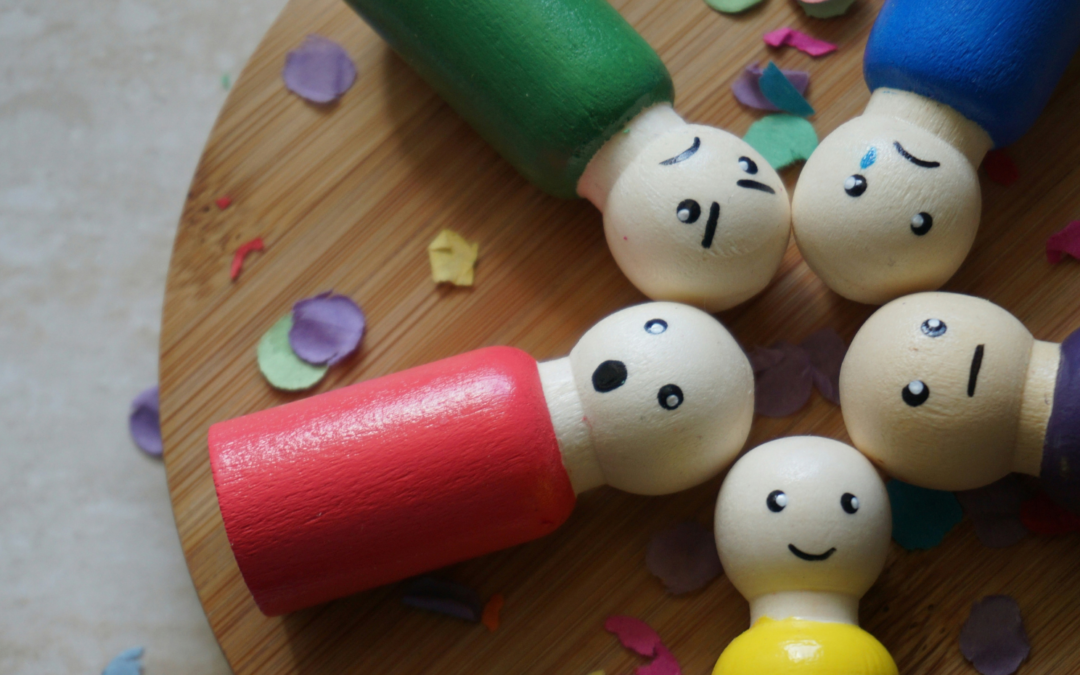
Before children can effectively use strategies to manage their emotions, they first need to begin understanding what they are feeling, what is happening in their body, what may have triggered the emotion, and what they need.
Think of it as: Awareness → Understanding → Strategy → Regulation
If we skip the awareness piece, we can end up asking children to use strategies without really understanding why they need them or when to use them.
The good news? Parents don’t need to have all the answers. Everyday moments can become opportunities for children to learn about their emotions. And parents don’t have to figure it all out on their own. Counselling can provide an opportunity for parents, children, and counsellors to work together as a team building understanding, discovering what works best for each child, and developing emotional skills that can be practised both in counselling and at home.
What Is Emotional Awareness?
Emotional awareness is the ability to notice and understand our emotions.
For children, this can include learning to:
- Recognize different emotions
• Put words to how they are feeling
• Notice how emotions show up in their bodies
• Understand what may have triggered a feeling
• Recognize that more than one emotion can happen at the same time
• Understand that emotions change
• Communicate what they need
For example, a child might initially say:
“I’m mad!”
With support, they may eventually recognize:
“I’m frustrated because I couldn’t do it, and now I’m embarrassed.”
That is emotional awareness in action.
How Can Parents Help Build Emotional Awareness?
Start With Noticing
Children don’t always have the words to tell us what they are feeling. Sometimes their behaviour communicates it first.
Instead of immediately trying to fix the behaviour, pause and become curious about what might be happening underneath it.
You might say
“You seem really frustrated. I wonder what happened.”
“You seem a little quiet today. I wonder if something is worrying you.”
The goal isn’t to guess exactly what your child is feeling. It’s to help them slow down and start noticing what might be happening emotionally. Behaviour can be a clue to an emotion.
Help Children Put Words to Their Feelings
Children often start with a few basic emotion words: happy, sad, mad, and scared. Over time, parents can help expand their emotional vocabulary. For example, instead of only using “mad,” children might learn words such as frustrated, annoyed, disappointed, or overwhelmed.
Instead of only using “scared,” they might learn to recognize worried, nervous, uncertain, or overwhelmed. You don’t have to quiz your child about their emotions. Simply offering different words gives them opportunities to explore what fits.
You might say:
“Do you think you’re feeling frustrated, or maybe disappointed?”
“I wonder if you’re feeling worried about what might happen.”
Children don’t have to agree with the word you suggest. The goal is to give them opportunities to explore different ways of describing their experience.
Validate the Feeling Before Trying to Solve the Problem
One of the most helpful things parents can do is acknowledge a child’s emotion before jumping into problem-solving.
Instead of: “It’s not a big deal.” Try: “I can see you’re really frustrated. That was hard.”
Instead of: “There’s nothing to worry about.” Try: “I can see you’re worried. Let’s talk about what’s making you nervous.”
Validation doesn’t mean that we agree with everything a child says or does. It simply communicates that you see the feeling and are getting curious and attempting to understand it.
This can help children become more comfortable talking about difficult emotions rather than learning that certain feelings should be hidden or avoided.
Help Children Notice Emotions in Their Bodies
Emotions aren’t just thoughts. They can also create physical sensations. Anger might show up as clenched fists, a hot face, tense muscles, or a racing heart. Anxiety might show up as a tight stomach, shaky hands, a racing heart, or wanting to avoid something.
You can also model this yourself “I’m feeling frustrated, and I notice my shoulders are tense. I’m going to take a minute.”. When parents model emotional awareness, children learn that noticing emotions is something everyone can practise, not something that only happens when a child is having a difficult time.
Remember That Emotions Are Not Good or Bad
It can be tempting to describe emotions as positive or negative. Instead, try thinking of emotions as information. Anger might tell us that something feels unfair or that a boundary has been crossed. Anxiety might tell us that something feels uncertain, unfamiliar, or important. The goal isn’t to teach children that they should never feel angry or anxious. The goal is to help them learn that they can have the feeling without it being in change of everything.
How Can Counselling Help?
Counselling can provide additional support, tools, and opportunities for children to develop emotional awareness in a way that is suited to their age and individual needs.
As I discussed in my previous blog, helping children manage big emotions isn’t just about finding the right strategy. Before children can use strategies effectively, they need to understand what is happening for them emotionally.
This is where emotional awareness becomes an important foundation.
Counselling can provide a space for children to explore their emotions, understand what they may be experiencing, and begin to recognize how emotions show up for them. Through play, art, games, activities, and conversation, children can develop a better understanding of their emotional experiences in ways that feel comfortable and meaningful to them.
Parents can also be part of this process. Counselling can provide an opportunity for parents, children, and counsellors to work together as a team building awareness, developing skills, and finding ways to support emotional development both in counselling and at home.

by Matt Hislop | Aug 25, 2026 | Anxiety, Communication, Connection, Counselling, Curiosity, Emotional, Encouragement, Family, Forgive, Forgiveness, Guidance, Health, In The Community, Mental Health, Mindfulness, Motivation, Reflection, Relationship, Relationships, Resources, Safety, Self Confidence, Stress, Therapy
Relationships matter. They give us a sense of purpose, belonging, and meaning in our lives. When our relationships are going well, they can positively influence our physiological, emotional, and social well-being. We may feel more secure, supported, seen, and heard.
When relationships become strained, however, we can experience hopelessness, feeling stuck, overwhelmed, or disconnected from one another. Couples therapy can provide an opportunity to slow things down, understand what is happening beneath the conflict, and develop new ways of connecting.
Two approaches that have significantly influenced couples therapy are Emotionally Focused Therapy (EFT), developed by Sue Johnson and colleagues, and the Gottman Method, developed by John and Julie Gottman. While they have different frameworks and terminology, both approaches emphasize connection, emotional responsiveness, and understanding the patterns that develop between partners.
Physiologically: Understanding Emotional Flooding
Relationship challenges can affect us physically as well as emotionally. Stress within a relationship may contribute to irritability, anxiety, difficulty concentrating, rumination, low mood, and feeling overwhelmed. When our nervous system becomes activated, it can become much harder to listen, communicate clearly, and remain connected to our partner.
The Gottmans describe one form of this intense physiological activation as emotional flooding. When someone becomes flooded, their body can enter a heightened state of arousal. Heart rate may increase, breathing can become more rapid, and it can become difficult to think clearly or remain receptive to what a partner is saying.
The Gottmans have highlighted heart rate and other physiological signs as useful indicators that someone may need a break from a difficult conversation. A heart rate around 90 beats per minute has been discussed in Gottman research as one indicator of flooding, but it is important not to treat 90 bpm as a universal clinical cutoff. People differ in their baseline heart rates and in how they experience physiological stress.
The more important skill is learning to notice when you are becoming flooded.
When this happens, it can be helpful to pause the conversation, take some time to breathe and self-soothe, and allow the nervous system to settle. Taking a break does not mean abandoning the conversation. In fact, it can be an important part of maintaining the relationship.
A helpful message might be:
“I am feeling overwhelmed right now. I care about this conversation, and I want to come back to it when I can be more present.”
This communicates both a need for space and a commitment to reconnect.
The goal is not to avoid difficult conversations. The goal is to create enough safety and regulation that both partners can remain engaged.
Emotionally: Looking Beneath the Conflict
In couples therapy, it is valuable to pay attention not only to what partners are saying but also to the emotions underneath their words and behaviours.
Emotionally Focused Therapy (EFT) places particular emphasis on helping couples identify and explore their emotional experiences and the deeper attachment needs or yearnings beneath them.
For example, a partner may say:
“You never listen to me.”
On the surface, this sounds like criticism. Beneath the criticism, however, there may be a deeper experience:
“I feel like I don’t matter to you, and I am scared that I am losing you.”
This is an important shift. Instead of focusing only on the criticism, couples can begin to explore the more vulnerable emotions and needs underneath it.
EFT often helps partners recognize emotions such as fear, sadness, shame, loneliness, and hurt. Anger can also be an important emotion in relationships. In many EFT formulations, anger can function as a secondary or protective emotion that develops in response to more vulnerable feelings such as fear, hurt, shame, or sadness. At the same time, anger can also arise directly from experiences of injustice, violation, or trauma, so it is important not to assume that every experience of anger has the same underlying emotion.
Learning to become curious about our emotions can help us understand what we are actually needing from our partner.
Instead of asking:
“Who is right?”
Couples can begin asking:
“What is happening between us?”
and
“What is each of us needing in this moment?”
This shift can create opportunities for greater empathy and emotional connection.
Socially: Looking at the Bigger Picture
Relationships do not exist in isolation. What happens in the outside world can have a significant impact on how partners relate to one another.
Work stress, parenting responsibilities, hobbies, community or service commitments, family dynamics, financial pressures, health challenges, friendships, and other life circumstances can all affect a couple’s ability to connect.
Sometimes what looks like a relationship problem is being intensified by the amount of stress each person is carrying.
Couples counselling can provide space to explore questions such as:
- What pressures are each of us experiencing outside the relationship?
- How are those pressures affecting our ability to connect?
- What support do we have from friends and family?
- Are we making enough time for our relationship?
- What activities help us experience joy and connection together?
Social support can be an important resource for couples. Healthy friendships and family relationships can provide encouragement, perspective, and opportunities for individual renewal.
It is also important for couples to make room for fun.
Relationships can easily become focused on responsibilities, conflict, finances, parenting, work, and everything that needs to get done. Spending time together doing something enjoyable can help couples remember that their relationship is more than the problems they are trying to solve.
Sometimes reconnecting starts with remembering what brought you together in the first place.
When Couples Get Caught in a Cycle
One of the central ideas in EFT is that couples can become caught in repetitive interactional cycles.
A disagreement may begin with one partner feeling disconnected and reaching out through criticism or protest. The other partner may experience this as criticism and respond by withdrawing or becoming defensive. The first partner then feels even more alone and reaches out more intensely. The second partner withdraws further.
Over time, this pattern can become familiar.
The important insight in EFT is that the cycle is the problem—not either partner.
Rather than asking, “Who started this?” couples can begin to recognize:
“This is the pattern we get caught in.”
Once couples can identify the cycle, they have an opportunity to slow it down and create a different response.
They can begin to notice:
- What happens just before the cycle starts?
- What emotions are underneath our reactions?
- What am I afraid might happen?
- What am I longing for from my partner?
- How does my response affect my partner?
- How might we respond differently next time?
Understanding the cycle can create space for new choices.
The Sound Relationship House
The Gottmans developed the Sound Relationship House, a framework for understanding and strengthening relationships.
The model takes a strengths-based approach. Rather than focusing exclusively on what is going wrong, it also asks couples to identify and build upon the things that are working.
Two particularly important pillars of the Sound Relationship House are Trust and Commitment.
Trust involves feeling that your partner is there for you, that they have your interests in mind, and that you can depend on them. Commitment involves choosing the relationship and maintaining a sense of “us,” including during difficult periods.
The Sound Relationship House also includes other relationship skills and processes that can help couples strengthen their friendship, manage conflict, support one another’s dreams, and create shared meaning.
This framework can give couples practical areas to focus on as they work toward a stronger relationship.
From Conflict to Connection
Both EFT and Gottman-informed couples therapy offer valuable ways of understanding relationship difficulties.
The Gottman approach provides couples with practical tools for strengthening friendship, managing conflict, reducing destructive patterns, and building trust and commitment.
EFT focuses strongly on emotional connection and attachment—helping partners understand the deeper emotions, fears, and longings that often drive their interactions.
Although the language and frameworks differ, both approaches encourage couples to move beyond simply trying to “win” an argument.
The deeper question becomes:
How can we understand each other and create a relationship where both partners feel safe, valued, and connected?
Recommended Reading
As a starting point, couples may find it helpful to read or listen to a relationship book together. There are many resources available, but these two are well-known, research-informed approaches to couples work and offer practical exercises as well.
- The Seven Principles for Making Marriage Work— John Gottman
This book introduces the Gottmans’ research and provides practical strategies for strengthening friendship, managing conflict, and improving connection.
- Hold Me Tight— Sue Johnson
This book introduces the EFT approach and helps couples understand their emotional patterns, attachment needs, and the cycles that can create disconnection.
Both books also have workbook-style resources that couples may find useful for putting the ideas into practice.
A Final Thought
Working on a relationship can be beneficial for our overall well-being. When we invest in our relationships, we are also investing in an important part of our emotional and social health.
Couples therapy is not about creating a perfect relationship. Every couple experiences conflict, misunderstanding, and periods of disconnection. The goal is to develop greater awareness of the patterns that emerge between partners and learn how to repair, reconnect, and respond differently.
Sometimes the most meaningful change begins with something simple: slowing down enough to become curious about what is happening inside ourselves and our partner.
What if the conflict isn’t the enemy? What if it is an invitation to understand one another more deeply?
An Important Note About Safety
While couples counselling can be helpful for many relationship challenges, it is not appropriate for every situation. In relationships involving ongoing intimate-partner violence, coercive control, or other forms of abuse, joint couples counselling may not be a safe or suitable approach.
In these circumstances, individual support and specialized services may be more appropriate. Safety should always be the priority.
by Leah Jivan | Jul 28, 2026 | Anxiety, Communication, Curiosity, Depression, Emotional, Guidance, Health, Mental Health, Mindfulness, Reflection, Relationships, Self Care, Stress, Therapy
Have you noticed why on some days you can handle stressors with ease while on other days, similar situations leave you feeling overwhelmed? Well, if you have, you are most definitely not alone.
In this post, we’ll explore how your nervous system works and introduce the Window of Tolerance. We will also take a look at what happens when stressors push you beyond this window into a state of hyperarousal or hypoarousal.
So what is the Window of Tolerance and how does it work?
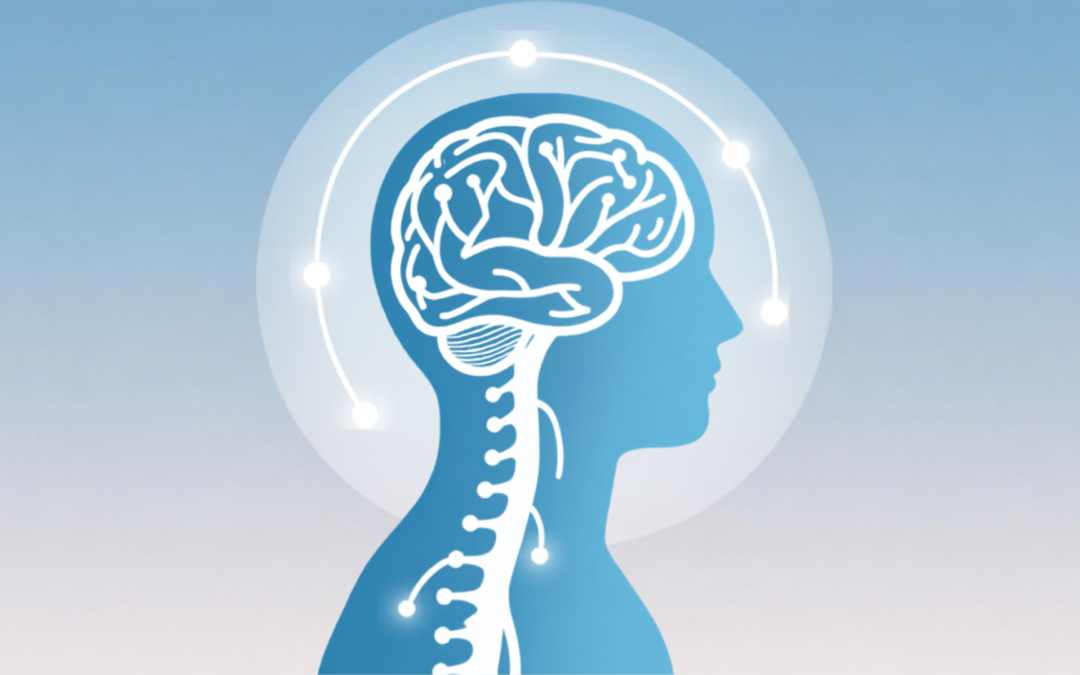
The window of tolerance refers to the optimal state in which our nervous system is able to effectively respond to stressors, challenges or uncertainties (Neff, 2023). When we are in this window, we are more likely to feel engaged, curious, grounded and calm (Neff, 2023). Our nervous system helps us adjust to our surroundings through two processes: the sympathetic nervous system which increases activation and energy, otherwise known as the “fight or flight” response and the parasympathetic nervous system which reinforces rest, otherwise known as the “rest and digest” response.
It is important to note that the sympathetic and parasympathetic nervous systems work conjointly to respond to everyday stressors and challenges.
Dr. Megan Anna Neff shares an important metaphor of a gas and brake pedal of a car, acting as the sympathetic and parasympathetic process working together (Neff, 2023). Moreover, she notes that such fluctuations between both processes are necessary as she speaks about an activation of the sympathetic nervous system when faced with a stressor or engagement of the parasympathetic nervous system when we are going to sleep (Neff, 2023).
Now you may be asking yourself, what happens when we leave our window of tolerance?
The body goes into one of two states. In the hyperarousal state, the sympathetic nervous system predominates, and our body becomes mobilized for action (Neff, 2023). Some common signs our body is entering a hyperarousal state include panic, fear, a racing heart, heightened awareness or aggression (Neff, 2023).
In a hyperarousal state, the body needs regulation which can look like:
- Mindfulness and breathing exercises which can help regulate our nervous system and ease or reduce heightened levels of alertness by signaling a sense of safety to our body (Marks, 2022)
The other way our nervous system may respond to stress is by entering a state of hypoarousal. In this state, the body goes through decreased nervous system activity and can lead to shut down or withdrawal due to overwhelm (Neff, 2023). In this state, we may be feeling numb, disconnected, fatigued and dissociated (Neff, 2023).
In a hypoarousal state, we want to stimulate gentle activation which can be done through:
- Grounding exercises that engage the five senses (sight, hear, smell, taste and touch) (Marks, 2022)
- Temperature exposure, specifically cold temperatures by splashing ice cold water on the face which activates the sympathetic nervous system
- Physical movement can increase heart rate and therefore, increase energy levels
Tying this all back to the beginning of the post, why does it feel like we can overcome stressors with more ease and confidence on some days and not others?
Well, there’s a range of factors that can impact how narrow or wide our window of tolerance is. This can include:
- Previous traumatic events
This can even come down to everyday differences. In Dialectical Behaviour Therapy, Marsha Linehan speaks on vulnerability factors which she described as the factors and history that made one vulnerable leading up an event (Linehan, 2015). I’ve listed a few factors below, but I encourage you to think about factors that are potentially impacting how you show up everyday which can be affecting the width of your window of tolerance. Here are a few to get us start thinking about vulnerability factors:
- Ongoing stress in multiple realms of our life (e.g., school, work, interpersonal relationships, career, financial situation, health, etc.)
- Life transitions (e.g., new career, relocating, taking on new roles such as parenting)
If you can take one piece away from this post, I want to remind you that it is natural for one’s nervous system to shift and change throughout the day. I encourage you to practice recognizing patterns or signs when you feel your body has moved beyond our window of tolerance into either hyperarousal or hypoarousal.
Neff (2023) suggests a practice called nervous system mapping in which we can set some time, once or twice a day to scan our body and note how we are feeling. Moreover, she notes that just paying attention to a racing heart rate or tension in our body can point towards hyperarousal or fatigue can point towards hypoarousal (Neff, 2023). Paying attention to what our body is telling us is crucial and necessary in order to engage in the skills to regulate us back to our optimal zone and effectively manage daily stressors.
Understanding your nervous system is an important step toward understanding yourself and how your body responds to stress. We are here to help you along the way. Contact Us if you’d like to speak with one of our counsellors.
References:
1 Marks, T. [Dr. Tracey Marks] (2022, May 4). Window of tolerance: what is it and how to stay in it [Video]. Youtube. https://www.youtube.com/watch?v=VD8hhboXYTI
2 Neff, M. A. (2023, January 8). The window of tolerance: how to build emotional resilience and regulation. Neurodivergent insights. https://neurodivergentinsights.com/window-of-tolerance/?srsltid=AfmBOopUSbQ677ejHjiAB7rqVG636K66QGOyoV67ozOyqlsxWa8duLYa
3 Linehan, M. M. (2015). DBT Skills Training Handouts and Worksheets (2nd ed.). The Guilford Press.

by Aina Cagigos Martin | May 8, 2026 | Anxiety, Depression, Health, Mental Health, Relationships, Therapy
Depression and anxiety can change how you experience sexual intimacy. The low mood, loss of pleasure, and fatigue that come with depression in your daily life can also affect your sex drive, and end up bleeding into the bedroom. This is not uncommon among people with depression or anxiety: a 2022 systematic review and meta-analysis of people with Major Depressive Disorder not on medication found sexual dysfunction in 83% of women and 63% of men.
Sexual difficulties don’t mean you’re broken; it just means that your body and your mind are at capacity, and that is something your therapist can help you with.
How do depression and anxiety affect sexual drive?
Depression and anxiety can both get in the way of intimacy, but they do it differently.
In depression, you might feel like things you used to enjoy don’t feel as good anymore. This is a core symptom of depression that can extend to your sexual life. That’s because depression also comes with changes to your brain and the way it’s connected. The signals between the parts of your brain that handle desire, pleasure, and arousal can get disrupted. What’s more, depression can involve fatigue, changes in your sleep and appetite and sometimes a negative view of yourself, which can also affect intimacy.
Anxiety on the other hand activates your nervous system, your fight or flight mode, and gets your adrenaline pumping to face threats. A little activation can be neutral or even helpful during sex (Bradford & Meston, 2006), but elevated or chronic anxiety keeps your body locked in that state, which is the opposite of the relaxed state needed for arousal.
You might also feel like you can’t focus during sex, like your brain is everywhere. That’s because anxiety comes with worries, and a worried mind can’t stay present with sensations. Your attention might be pulled in many directions, such as self-monitoring, performance, thoughts about body image, or even finances and health. Your brain is too busy to stop and focus on intimacy, and everyday anxiety often morphs into anxiety about how things are going during sex itself.
Finally, antidepressant medication such as SSRIs (Selective Serotonin Reuptake Inhibitors) and SNRIs (Selective Norepinephrine Reuptake Inhibitors) can cause sexual side effects in 58-73% of people taking them. This further complicates the situation: is it the depression, anxiety, the medication or all of it? That would be the kind of question to bring up with your prescriber or therapist.
Should sexual health be part of my therapy?
Mental health difficulties and sexual difficulties affect each other. If you’re depressed, you may be more likely to develop sexual difficulties. And if you have sexual difficulties, you may be more likely to develop depression.
Even so, not all therapists routinely ask about sexual functioning. Many wait to be sure the client wants to talk about it, while clients often wait for the therapist to bring it up, creating an accidental mutual avoidance. But sexual well-being genuinely matters. The research shows that sexual quality of life is linked to overall quality of life and relationship satisfaction. And when it isn’t addressed, it can worsen the very thing you came to therapy for.
How do I bring it up in therapy?
Bringing this up can be hard, especially if it isn’t something you’ve talked about before. But a few things can make it easier:
- Naming the awkwardness is allowed. You can name how you feel about bringing up a topic, be it awkwardness, stress, shame, or guilt. Something as simple as “I’m not sure how to talk about this” is a good way in.
- Naming it once is the hard part. Once you’ve said it out loud once, the topic is in the room, and it gets easier from there.
- Being specific helps. Telling your therapist that something’s off with your sex drive is a good start but they may need more information. The better your therapist knows your problem, the better they can help. That might mean naming what’s changed, when it started, or whether it lined up with starting medication.
- Referral isn’t a rejection. If your therapist thinks this topic would be better handled by someone with specific training in sexual health, that’s not a rejection but a commitment to getting you the right care.
Therapy is your space to bring up anything you feel you need to work on. Talking about sexual difficulties may not be common in your day-to-day life, but it is an important part of your life and is completely normal to bring up in a therapeutic setting.
Not sure where to start? Connect with us today, we’re here for you.

by Abi Olson | Oct 3, 2025 | Health, Mental Health, Parenting, Self Care, Stress
Mothers are some of the most powerful and resourceful people in our communities. Every day, they balance a multitude of roles—caregiver, professional, household manager, emotional anchor—and do so with resilience, determination, and love.
In today’s fast-paced and ever-changing world, the expectations on mothers have grown. More mothers than ever are contributing to the workforce while continuing to be the heart of their families. And while this can bring a sense of fulfillment and purpose, it also presents a very real challenge: stress.
A Changing Landscape
The number of working mothers has increased significantly over the past 50 years. According to Statistics Canada, the participation rate of mothers in the workforce has nearly doubled, from 40.5% in 1976 to 76.5% in 2021. This shift highlights not just the changing societal norms but also the immense contributions that mothers are making both at home and in the wider economy.
While the evolving role of mothers brings new opportunities, it also brings increased demands on time, energy, and mental bandwidth. Juggling work and home responsibilities can often feel like walking a tightrope.
Recognizing the Weight You Carry
Research shows that working mothers often face higher levels of stress than their non-working counterparts, with about 26% reporting high stress levels compared to 13% of stay-at-home mothers (Sohail & Imtiaz, 2018). However, this isn’t a sign of weakness—it’s a testament to just how much mothers are carrying, often silently and without pause.
Stress can affect not only physical health but emotional well-being too. And while this may sound daunting, there is good news: there are powerful, accessible tools that mothers can use to support themselves. Prioritizing mental health and wellness isn’t selfish—it’s essential.
You Deserve Support and Restoration
When left unaddressed, stress can manifest in the body in many ways—fatigue, lowered immunity, anxiety, depression, and burnout. But here’s the truth: You are not powerless.
Stress doesn’t have to define your motherhood journey. It can be a signal—a nudge to care for yourself with the same compassion and intention you give to others. Investing in your well-being is a powerful act of love—for yourself, your children, and your family.
Let’s explore two effective, research-backed practices that can be integrated into even the busiest routines:
-
Meditation: Small Moments, Big Shifts
Meditation is a simple, accessible tool with profound benefits for mental and physical health. You don’t need hours of solitude or expensive equipment. Even a few minutes of deep breathing or quiet reflection can shift your day.
Why meditation works:
- It’s free and time-efficient.
- It can be done anywhere—during a lunch break, before bed, or even in the car before daycare pickup.
- Studies show it reduces stress, improves emotional regulation, boosts attention, and lowers activity in the brain’s fear and stress centers.
How you can start:
- Focus on your breath for one minute.
- Do a quick body scan when you first wake up or lie down to sleep.
- Repeat a calming word, affirmation, or prayer.
Even short moments of mindfulness can create long-term resilience. In fact, meditating before a stressful event can make you more adaptable and less reactive (Dunlop, 2023).
-
Nature: Healing in the Everyday
Spending time in nature—even for a few minutes—can have a deeply calming effect. While city life can be stimulating and fast-paced, nature provides the pause we often crave.
The benefits of nature exposure:
- Lowers heart rate and blood pressure
- Improves mood, memory, and focus
- Reduces symptoms of anxiety and depression
- Supports emotional regulation and overall well-being
You don’t need to escape to the mountains:
- Take a walk in a nearby park.
- Listen to nature sounds (birdsong, rain, flowing water).
- Add indoor plants to your home or workspace.
- Watch a nature video during a break.
- Pause and notice the sky, trees, or flowers while you wait in line or walk to your car.
Even just hearing nature sounds or looking at photos of natural settings can lower stress levels and restore a sense of calm (Zhang et al., 2023; Gu et al., 2022).
The Power of Reframing Self-Care
For many mothers, self-care can feel like a luxury. But in reality, it is a necessity—a non-negotiable part of maintaining your health, your energy, and your ability to show up for the people and responsibilities you love.
When mothers are well, families are well. And workplaces, communities, and society as a whole benefit. Healthy, supported mothers contribute to stronger relationships, more engaged parenting, and a healthier next generation.
Self-care isn’t about perfection or elaborate rituals. It’s about small, consistent acts of compassion toward yourself.
In Summary: You Are Worth the Care
Being a working mother is no small feat—it is a powerful act of endurance, love, and commitment. The stress you feel is valid, but it does not have to be the whole story.
By equipping yourself with simple, effective tools like meditation and nature connection, you are building resilience, restoring balance, and modelling healthy habits for your children.
Stress management isn’t just about survival—it’s about thriving. And every mother deserves the opportunity not just to make it through the day, but to feel whole, strong, and well in the process.
You are not alone in this. And you are doing an incredible job. Connect with us today if you would like more support in taking care of yourself as you care for your family.

by Meg Neufeld | Sep 5, 2025 | Children, Health, Mental Health, Reflection
For much of my childhood, Children’s Hospital was a second home—not because I was a patient, but because my twin sister was. Before the age of 17, she underwent 18 surgeries for a rare genetic condition and profound hearing loss. I spent countless hours at her bedside and in the children’s wing activity room, learning early on what it meant to wait.
And there is a lot of waiting in the hospital. Waiting for test results. Waiting for doctors’ rounds. Waiting for nurse checks and more testing. As a sibling, you don’t just watch the clock—you feel every slow tick of it. But I remember that Children’s had something that could make those hours lighter- activity and colouring pages. Years later, in 1995, The Hospital Activity Book For Children was created.
As a university student babysitting a three-year-old with leukemia, I saw it from a different angle. We spent many afternoons in the hospital, alternating between VeggieTales episodes and working through The Hospital Activity Book together. It wasn’t just about passing time—it was about creating small moments of fun, calm, and connection in an otherwise stressful place with puzzles, word searches, short stories, fun facts, and accessible educational content.
Fast forward again to when I became a parent. During visits to Children’s with my own daughter, I once again found myself in waiting rooms, searching for ways to entertain her before appointments. And once again, The Hospital Activity Book was there. It was a godsend—a positive form of distraction, an easy way to pass the time, and a reminder that even in medical spaces, joy and creativity have a place.
These experiences have stayed with me and shaped much of my work today. Having a twin with a rare condition taught me the value of accessibility and adaptability. In my family, making art was something we could all do together, regardless of ability. That foundation helped me learn how to adapt the art-making process to the environment and the unique needs of participants—a skill I now use daily in my work at Alongside You.
At Alongside You, we believe deeply in the power of creativity for healing and connection. Our arts and health programs are built on the idea that art can provide comfort, foster connection, and support mental well-being in even the most challenging circumstances. That’s why supporting initiatives like The Hospital Activity Book matters so much to us. It’s more than just paper and puzzles—it’s a lifeline of creativity for kids, siblings, and parents who need a moment of light in the middle of uncertainty.
So when we partner with and support The Hospital Activity Book, it’s personal. We know, firsthand, the difference it makes. And we are honoured to help ensure that children and families across Canada have access to those same moments of joy, distraction, and creative connection that once meant so much to me.
You can learn more about The Hospital Activity Book here: https://www.habfc.com/