by Leah Jivan | Jul 28, 2026 | Anxiety, Communication, Curiosity, Depression, Emotional, Guidance, Health, Mental Health, Mindfulness, Reflection, Relationships, Self Care, Stress, Therapy
Have you noticed why on some days you can handle stressors with ease while on other days, similar situations leave you feeling overwhelmed? Well, if you have, you are most definitely not alone.
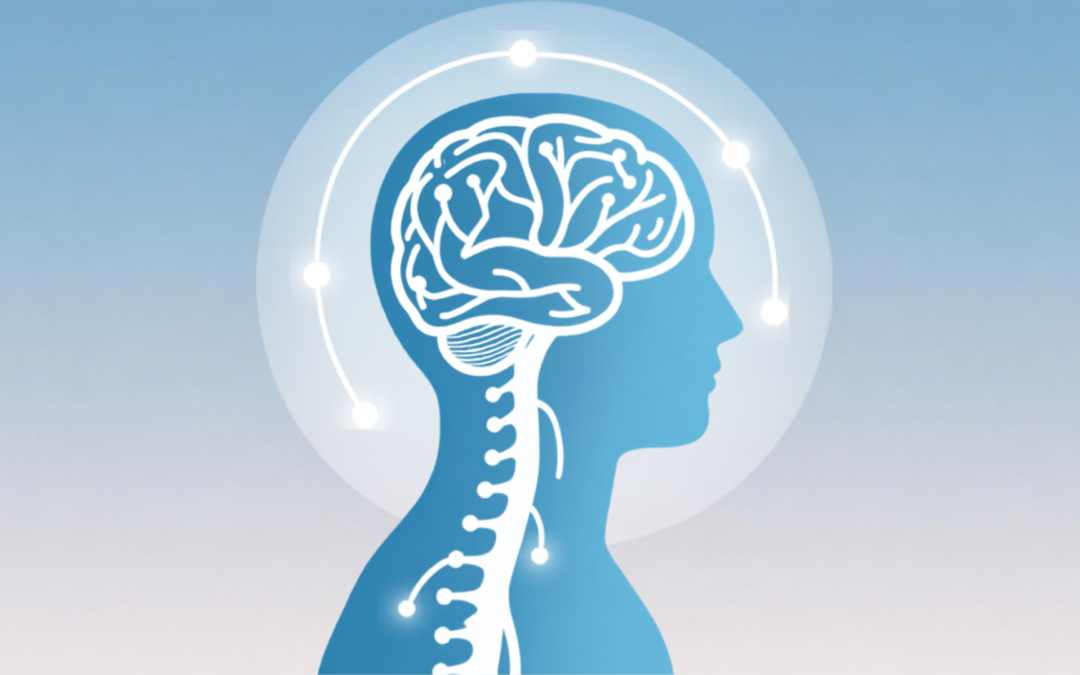
In this post, we’ll explore how your nervous system works and introduce the Window of Tolerance. We will also take a look at what happens when stressors push you beyond this window into a state of hyperarousal or hypoarousal.
So what is the Window of Tolerance and how does it work?
The window of tolerance refers to the optimal state in which our nervous system is able to effectively respond to stressors, challenges or uncertainties (Neff, 2023). When we are in this window, we are more likely to feel engaged, curious, grounded and calm (Neff, 2023). Our nervous system helps us adjust to our surroundings through two processes: the sympathetic nervous system which increases activation and energy, otherwise known as the “fight or flight” response and the parasympathetic nervous system which reinforces rest, otherwise known as the “rest and digest” response.
It is important to note that the sympathetic and parasympathetic nervous systems work conjointly to respond to everyday stressors and challenges.
Dr. Megan Anna Neff shares an important metaphor of a gas and brake pedal of a car, acting as the sympathetic and parasympathetic process working together (Neff, 2023). Moreover, she notes that such fluctuations between both processes are necessary as she speaks about an activation of the sympathetic nervous system when faced with a stressor or engagement of the parasympathetic nervous system when we are going to sleep (Neff, 2023).
Now you may be asking yourself, what happens when we leave our window of tolerance?
The body goes into one of two states. In the hyperarousal state, the sympathetic nervous system predominates, and our body becomes mobilized for action (Neff, 2023). Some common signs our body is entering a hyperarousal state include panic, fear, a racing heart, heightened awareness or aggression (Neff, 2023).
In a hyperarousal state, the body needs regulation which can look like:
- Mindfulness and breathing exercises which can help regulate our nervous system and ease or reduce heightened levels of alertness by signaling a sense of safety to our body (Marks, 2022)
The other way our nervous system may respond to stress is by entering a state of hypoarousal. In this state, the body goes through decreased nervous system activity and can lead to shut down or withdrawal due to overwhelm (Neff, 2023). In this state, we may be feeling numb, disconnected, fatigued and dissociated (Neff, 2023).
In a hypoarousal state, we want to stimulate gentle activation which can be done through:
- Grounding exercises that engage the five senses (sight, hear, smell, taste and touch) (Marks, 2022)
- Temperature exposure, specifically cold temperatures by splashing ice cold water on the face which activates the sympathetic nervous system
- Physical movement can increase heart rate and therefore, increase energy levels
Tying this all back to the beginning of the post, why does it feel like we can overcome stressors with more ease and confidence on some days and not others?
Well, there’s a range of factors that can impact how narrow or wide our window of tolerance is. This can include:
- Previous traumatic events
This can even come down to everyday differences. In Dialectical Behaviour Therapy, Marsha Linehan speaks on vulnerability factors which she described as the factors and history that made one vulnerable leading up an event (Linehan, 2015). I’ve listed a few factors below, but I encourage you to think about factors that are potentially impacting how you show up everyday which can be affecting the width of your window of tolerance. Here are a few to get us start thinking about vulnerability factors:
- Ongoing stress in multiple realms of our life (e.g., school, work, interpersonal relationships, career, financial situation, health, etc.)
- Life transitions (e.g., new career, relocating, taking on new roles such as parenting)
If you can take one piece away from this post, I want to remind you that it is natural for one’s nervous system to shift and change throughout the day. I encourage you to practice recognizing patterns or signs when you feel your body has moved beyond our window of tolerance into either hyperarousal or hypoarousal.
Neff (2023) suggests a practice called nervous system mapping in which we can set some time, once or twice a day to scan our body and note how we are feeling. Moreover, she notes that just paying attention to a racing heart rate or tension in our body can point towards hyperarousal or fatigue can point towards hypoarousal (Neff, 2023). Paying attention to what our body is telling us is crucial and necessary in order to engage in the skills to regulate us back to our optimal zone and effectively manage daily stressors.
Understanding your nervous system is an important step toward understanding yourself and how your body responds to stress. We are here to help you along the way. Contact Us if you’d like to speak with one of our counsellors.
References:
1 Marks, T. [Dr. Tracey Marks] (2022, May 4). Window of tolerance: what is it and how to stay in it [Video]. Youtube. https://www.youtube.com/watch?v=VD8hhboXYTI
2 Neff, M. A. (2023, January 8). The window of tolerance: how to build emotional resilience and regulation. Neurodivergent insights. https://neurodivergentinsights.com/window-of-tolerance/?srsltid=AfmBOopUSbQ677ejHjiAB7rqVG636K66QGOyoV67ozOyqlsxWa8duLYa
3 Linehan, M. M. (2015). DBT Skills Training Handouts and Worksheets (2nd ed.). The Guilford Press.

by Leah Jivan | Nov 7, 2025 | holiday, Mental Health, Mindfulness, Seasonal, Self Care, Stress
As we enter the final few weeks of the year, a mix of both excitement and stress begins to set in. For many people, this winter season brings the anticipation of several celebrations – Christmas, Hanukkah, Kwanzaa, Bodhi Day – each filled with valued traditions, excitement, and meaningful connections with others. Whether you celebrate these holidays or not, their presence is felt everywhere you go – from tree lights and extremely crowded shopping malls, to last minute runs to the grocery stores to host festive gatherings with loved ones.
Hectic Holidays
With the festive ambiance filling the air all around us, there is often an unspoken conversation around the end of year stress. Whether it’s meeting work deadlines, navigating financial stress, hosting gatherings or simply trying to wrap things up that have accumulated, fatigue, burnout and feeling all over the place during this time of year are all too common.
As a student, December has often felt like three months packed into one. The weeks leading up to the holidays was filled with joy and anticipation while simultaneously also juggling assignments, deadlines and fatigue. This rollercoaster of a month somehow always comes as a surprise every year despite trying to prepare in advance.
If you’ve ever found yourself feeling that way, you’re not alone. Over the past few weeks, I’ve done some research and taken some time to reflect on what has helped me manage this bustling and hectic season. My hope is that by sharing these tips, you can take what resonates with you to help make it through this final stretch. I also recognize that this time of year can be difficult for some as it can bring up personal memories linked to more challenging times in their lives
These tips are universal and can be used whether or not you celebrate any holidays in December or throughout the year. They can serve as a guide to wrap up the year with more intention and hope:
Creating Intentional Moments to Pause
One of the most impactful practices I have incorporated in my life is to try and intentionally make space to pause. In the book, “Mindful Relationships: Seven Skills for Success”, the author notes the basic need to rest and repair is grounded in our physiology – however, many of us replace the need to rest with caffeine, sugar, exercise or living on the edge which overtime, leads to physical and emotional burnout (Bullock, 2016).
Living in a world where we are constantly being pulled in different directions by school, work or personal obligations and being reminded of the ever-present “hustle culture”, the idea of even attempting to take a break can feel impossible. Bullock (2016) highlights the common mindset in our society of “work hard, play hard” which gives into the idea that we “should” constantly occupy ourselves with not one minute to spare. Intentional pauses in our lives can take many forms. I’ve personally found that simply taking five minutes before bed to process my whole day or going for a walk around the community are meaningful ways to pause. This can also look like journaling, meditating, grounding exercises and so many other little techniques! One of my personal favorites when I’m sitting in bed is to just think of one word or phrase to sum up my day or where I’m at right now.
You Know Yourself Best: Be Mindful of When You May be Reaching Your Full Capacity
John Kabat-Zinn, the creator of Mindfulness-Based Stress Reduction defined mindfulness as “paying attention in the present moment in a non-judgemental way” and he breaks it down with six key ideas (Bullock, 2016). In a nutshell, I have summarized these six key ideas1 below:
- Recognize your recurrent or repeated response tendencies
- Notice how your perceptions, way of communicating and stories impact others
- Listening over the urge to immediately respond
- Fully listen to what someone has to say rather than responding right away with a personal reflection, a solution, criticism or judgement
- Reframing communication through the lens of an observer not an evaluator
- Notice and acknowledge what signs our body is sending us and taking a step back before reacting
Let’s break down two of those key ideas in more detail:
Setting an intention to pause and notice your automatic, habitual patterns of response. During periods of high stress, we have a tendency to deny and block out the ability to feel negative emotions and over time, we may or may not notice a pattern of engaging in the same, general tendencies. This is a subtle internal process but recognizing this pattern can be so powerful to acknowledge in times of stress.
Recognizing signs when you are stressed or overwhelmed and intentionally taking a step back to regulate before responding in a way that could be harmful or not intended. Our body constantly sends us different signs and messages, telling us to fight or flight from our sympathetic nervous system or rest-digest from our parasympathetic nervous system as well as emotional, physical and behavioural signs. Listen to these signs! They are there for a reason…You know yourself and your body best.
Practice Presence in the Here and Now
Do you sometimes find yourself multitasking between what seems like ten things at the same time and you find it challenging to be fully present? You are definitely not alone! Let me introduce you to the concept of “One-Mindfully” (Linehan, 2015). The idea of One-Mindfully is one of the core components to DBT (Dialectical Behaviour Therapy) and is key to the psychological and spiritual traditions of mindfulness (Linehan, 2015). One-mindfully encourages that just for right now, try to be present in what you are doing, taking it one thing at a time (Linehan, 2015).
A book called “The Power of Pause: Becoming More by Doing Less” describes the consequence in “hurrying” as we become so focused on the destination that we see and hear only what we want to (Hershey, 2011). However, when we pause, we can explore things beyond this tunnel vision, we see or hear things as they are, not as we expect them to be (Hershey, 2011). This practice invites the opportunity to notice any desires to multitask while encouraging you to go back to the one thing you were focused on (Linehan, 2015). The book describes this practice with different examples such as, when you are eating, actually eat, or when you are remembering, actually remember (Linehan, 2015).
Recognize the Expectations While Transforming Your End of Year Checklist to a Flexible Guide
The end of the year can feel like a marathon as we try to fill so much into each day, racing to the finish line. While reading a little passage from “The Power of Pause: Becoming More by Doing Less”, I was reminded that most traditions recognize that we as humans, have the ability to hold a “doing” space and a “being” space (Hershey, 2011). Moreover, in the “doing” space, we work, produce and accomplish and in the “being” space, we carve out time to rest, pray, sleep and wonder (Hershey, 2011). Often, these marathons can feel like a mandatory checklist that we need to complete but being able to create space for both the “doing” part and the “being” part is necessary (Hershey, 2011).
I hope these tips are something that we can all take into the last few weeks of the year. Whether December is a joyful time of the year for you or one that is more challenging, I hope these tips can serve as a gentle reminder to try and take a pause, give yourself grace and remember that you have the strength to overcome these last few hurdles before starting a new year.
You don’t have to face this challenge alone. Contact us if you would like to speak with one of our counsellors.
References:
1 Bullock, G. B. (2016). Taking a Purposeful Pause. Mindful Relationships: Seven Skills for Success (pp. 107-113). Jessica Kingsley Publishers.
2 Hershey, T. (2011). The Power of Pause: Becoming More by Doing Less. Loyola Press.
3 Linehan, M. M. (2015). DBT Skills Training Handouts and Worksheets (2nd ed.). The Guilford Press.