
by Tracy Mortensen | Sep 22, 2026 | ADHD, Anxiety, Children, Communication, Connection, Counselling, Education, Emotional, emotional regulation, Encouragement, Family, Forgive, Forgiveness, Guidance, Health, Mental Health, Mindfulness, Motivation, Parenting, Reflection, Resources, Safety, Self Confidence, Stress, Teens, Therapy, Tips |
When a child is struggling with big emotions, it can be tempting to immediately reach for a strategy.
“Take a deep breath.”, “Count to 10.”, “Go somewhere quiet.”, “Use your coping skills.”
These strategies can be helpful, but there is an important step that comes before them: Awareness
Before children can effectively use strategies to manage their emotions, they first need to begin understanding what they are feeling, what is happening in their body, what may have triggered the emotion, and what they need.
Think of it as: Awareness → Understanding → Strategy → Regulation
If we skip the awareness piece, we can end up asking children to use strategies without really understanding why they need them or when to use them.
The good news? Parents don’t need to have all the answers. Everyday moments can become opportunities for children to learn about their emotions. And parents don’t have to figure it all out on their own. Counselling can provide an opportunity for parents, children, and counsellors to work together as a team building understanding, discovering what works best for each child, and developing emotional skills that can be practised both in counselling and at home.
What Is Emotional Awareness?
Emotional awareness is the ability to notice and understand our emotions.
For children, this can include learning to:
- Recognize different emotions
• Put words to how they are feeling
• Notice how emotions show up in their bodies
• Understand what may have triggered a feeling
• Recognize that more than one emotion can happen at the same time
• Understand that emotions change
• Communicate what they need
For example, a child might initially say:
“I’m mad!”
With support, they may eventually recognize:
“I’m frustrated because I couldn’t do it, and now I’m embarrassed.”
That is emotional awareness in action.
How Can Parents Help Build Emotional Awareness?
Start With Noticing
Children don’t always have the words to tell us what they are feeling. Sometimes their behaviour communicates it first.
Instead of immediately trying to fix the behaviour, pause and become curious about what might be happening underneath it.
You might say
“You seem really frustrated. I wonder what happened.”
“You seem a little quiet today. I wonder if something is worrying you.”
The goal isn’t to guess exactly what your child is feeling. It’s to help them slow down and start noticing what might be happening emotionally. Behaviour can be a clue to an emotion.
Help Children Put Words to Their Feelings
Children often start with a few basic emotion words: happy, sad, mad, and scared. Over time, parents can help expand their emotional vocabulary. For example, instead of only using “mad,” children might learn words such as frustrated, annoyed, disappointed, or overwhelmed.
Instead of only using “scared,” they might learn to recognize worried, nervous, uncertain, or overwhelmed. You don’t have to quiz your child about their emotions. Simply offering different words gives them opportunities to explore what fits.
You might say:
“Do you think you’re feeling frustrated, or maybe disappointed?”
“I wonder if you’re feeling worried about what might happen.”
Children don’t have to agree with the word you suggest. The goal is to give them opportunities to explore different ways of describing their experience.
Validate the Feeling Before Trying to Solve the Problem
One of the most helpful things parents can do is acknowledge a child’s emotion before jumping into problem-solving.
Instead of: “It’s not a big deal.” Try: “I can see you’re really frustrated. That was hard.”
Instead of: “There’s nothing to worry about.” Try: “I can see you’re worried. Let’s talk about what’s making you nervous.”
Validation doesn’t mean that we agree with everything a child says or does. It simply communicates that you see the feeling and are getting curious and attempting to understand it.
This can help children become more comfortable talking about difficult emotions rather than learning that certain feelings should be hidden or avoided.
Help Children Notice Emotions in Their Bodies
Emotions aren’t just thoughts. They can also create physical sensations. Anger might show up as clenched fists, a hot face, tense muscles, or a racing heart. Anxiety might show up as a tight stomach, shaky hands, a racing heart, or wanting to avoid something.
You can also model this yourself “I’m feeling frustrated, and I notice my shoulders are tense. I’m going to take a minute.”. When parents model emotional awareness, children learn that noticing emotions is something everyone can practise, not something that only happens when a child is having a difficult time.
Remember That Emotions Are Not Good or Bad
It can be tempting to describe emotions as positive or negative. Instead, try thinking of emotions as information. Anger might tell us that something feels unfair or that a boundary has been crossed. Anxiety might tell us that something feels uncertain, unfamiliar, or important. The goal isn’t to teach children that they should never feel angry or anxious. The goal is to help them learn that they can have the feeling without it being in change of everything.
How Can Counselling Help?
Counselling can provide additional support, tools, and opportunities for children to develop emotional awareness in a way that is suited to their age and individual needs.
As I discussed in my previous blog, helping children manage big emotions isn’t just about finding the right strategy. Before children can use strategies effectively, they need to understand what is happening for them emotionally.
This is where emotional awareness becomes an important foundation.
Counselling can provide a space for children to explore their emotions, understand what they may be experiencing, and begin to recognize how emotions show up for them. Through play, art, games, activities, and conversation, children can develop a better understanding of their emotional experiences in ways that feel comfortable and meaningful to them.
Parents can also be part of this process. Counselling can provide an opportunity for parents, children, and counsellors to work together as a team building awareness, developing skills, and finding ways to support emotional development both in counselling and at home.

by Matt Hislop | Aug 25, 2026 | Anxiety, Communication, Connection, Counselling, Curiosity, Emotional, Encouragement, Family, Forgive, Forgiveness, Guidance, Health, In The Community, Mental Health, Mindfulness, Motivation, Reflection, Relationship, Relationships, Resources, Safety, Self Confidence, Stress, Therapy
Relationships matter. They give us a sense of purpose, belonging, and meaning in our lives. When our relationships are going well, they can positively influence our physiological, emotional, and social well-being. We may feel more secure, supported, seen, and heard.
When relationships become strained, however, we can experience hopelessness, feeling stuck, overwhelmed, or disconnected from one another. Couples therapy can provide an opportunity to slow things down, understand what is happening beneath the conflict, and develop new ways of connecting.
Two approaches that have significantly influenced couples therapy are Emotionally Focused Therapy (EFT), developed by Sue Johnson and colleagues, and the Gottman Method, developed by John and Julie Gottman. While they have different frameworks and terminology, both approaches emphasize connection, emotional responsiveness, and understanding the patterns that develop between partners.
Physiologically: Understanding Emotional Flooding
Relationship challenges can affect us physically as well as emotionally. Stress within a relationship may contribute to irritability, anxiety, difficulty concentrating, rumination, low mood, and feeling overwhelmed. When our nervous system becomes activated, it can become much harder to listen, communicate clearly, and remain connected to our partner.
The Gottmans describe one form of this intense physiological activation as emotional flooding. When someone becomes flooded, their body can enter a heightened state of arousal. Heart rate may increase, breathing can become more rapid, and it can become difficult to think clearly or remain receptive to what a partner is saying.
The Gottmans have highlighted heart rate and other physiological signs as useful indicators that someone may need a break from a difficult conversation. A heart rate around 90 beats per minute has been discussed in Gottman research as one indicator of flooding, but it is important not to treat 90 bpm as a universal clinical cutoff. People differ in their baseline heart rates and in how they experience physiological stress.
The more important skill is learning to notice when you are becoming flooded.
When this happens, it can be helpful to pause the conversation, take some time to breathe and self-soothe, and allow the nervous system to settle. Taking a break does not mean abandoning the conversation. In fact, it can be an important part of maintaining the relationship.
A helpful message might be:
“I am feeling overwhelmed right now. I care about this conversation, and I want to come back to it when I can be more present.”
This communicates both a need for space and a commitment to reconnect.
The goal is not to avoid difficult conversations. The goal is to create enough safety and regulation that both partners can remain engaged.
Emotionally: Looking Beneath the Conflict
In couples therapy, it is valuable to pay attention not only to what partners are saying but also to the emotions underneath their words and behaviours.
Emotionally Focused Therapy (EFT) places particular emphasis on helping couples identify and explore their emotional experiences and the deeper attachment needs or yearnings beneath them.
For example, a partner may say:
“You never listen to me.”
On the surface, this sounds like criticism. Beneath the criticism, however, there may be a deeper experience:
“I feel like I don’t matter to you, and I am scared that I am losing you.”
This is an important shift. Instead of focusing only on the criticism, couples can begin to explore the more vulnerable emotions and needs underneath it.
EFT often helps partners recognize emotions such as fear, sadness, shame, loneliness, and hurt. Anger can also be an important emotion in relationships. In many EFT formulations, anger can function as a secondary or protective emotion that develops in response to more vulnerable feelings such as fear, hurt, shame, or sadness. At the same time, anger can also arise directly from experiences of injustice, violation, or trauma, so it is important not to assume that every experience of anger has the same underlying emotion.
Learning to become curious about our emotions can help us understand what we are actually needing from our partner.
Instead of asking:
“Who is right?”
Couples can begin asking:
“What is happening between us?”
and
“What is each of us needing in this moment?”
This shift can create opportunities for greater empathy and emotional connection.
Socially: Looking at the Bigger Picture
Relationships do not exist in isolation. What happens in the outside world can have a significant impact on how partners relate to one another.
Work stress, parenting responsibilities, hobbies, community or service commitments, family dynamics, financial pressures, health challenges, friendships, and other life circumstances can all affect a couple’s ability to connect.
Sometimes what looks like a relationship problem is being intensified by the amount of stress each person is carrying.
Couples counselling can provide space to explore questions such as:
- What pressures are each of us experiencing outside the relationship?
- How are those pressures affecting our ability to connect?
- What support do we have from friends and family?
- Are we making enough time for our relationship?
- What activities help us experience joy and connection together?
Social support can be an important resource for couples. Healthy friendships and family relationships can provide encouragement, perspective, and opportunities for individual renewal.
It is also important for couples to make room for fun.
Relationships can easily become focused on responsibilities, conflict, finances, parenting, work, and everything that needs to get done. Spending time together doing something enjoyable can help couples remember that their relationship is more than the problems they are trying to solve.
Sometimes reconnecting starts with remembering what brought you together in the first place.
When Couples Get Caught in a Cycle
One of the central ideas in EFT is that couples can become caught in repetitive interactional cycles.
A disagreement may begin with one partner feeling disconnected and reaching out through criticism or protest. The other partner may experience this as criticism and respond by withdrawing or becoming defensive. The first partner then feels even more alone and reaches out more intensely. The second partner withdraws further.
Over time, this pattern can become familiar.
The important insight in EFT is that the cycle is the problem—not either partner.
Rather than asking, “Who started this?” couples can begin to recognize:
“This is the pattern we get caught in.”
Once couples can identify the cycle, they have an opportunity to slow it down and create a different response.
They can begin to notice:
- What happens just before the cycle starts?
- What emotions are underneath our reactions?
- What am I afraid might happen?
- What am I longing for from my partner?
- How does my response affect my partner?
- How might we respond differently next time?
Understanding the cycle can create space for new choices.
The Sound Relationship House
The Gottmans developed the Sound Relationship House, a framework for understanding and strengthening relationships.
The model takes a strengths-based approach. Rather than focusing exclusively on what is going wrong, it also asks couples to identify and build upon the things that are working.
Two particularly important pillars of the Sound Relationship House are Trust and Commitment.
Trust involves feeling that your partner is there for you, that they have your interests in mind, and that you can depend on them. Commitment involves choosing the relationship and maintaining a sense of “us,” including during difficult periods.
The Sound Relationship House also includes other relationship skills and processes that can help couples strengthen their friendship, manage conflict, support one another’s dreams, and create shared meaning.
This framework can give couples practical areas to focus on as they work toward a stronger relationship.
From Conflict to Connection
Both EFT and Gottman-informed couples therapy offer valuable ways of understanding relationship difficulties.
The Gottman approach provides couples with practical tools for strengthening friendship, managing conflict, reducing destructive patterns, and building trust and commitment.
EFT focuses strongly on emotional connection and attachment—helping partners understand the deeper emotions, fears, and longings that often drive their interactions.
Although the language and frameworks differ, both approaches encourage couples to move beyond simply trying to “win” an argument.
The deeper question becomes:
How can we understand each other and create a relationship where both partners feel safe, valued, and connected?
Recommended Reading
As a starting point, couples may find it helpful to read or listen to a relationship book together. There are many resources available, but these two are well-known, research-informed approaches to couples work and offer practical exercises as well.
- The Seven Principles for Making Marriage Work— John Gottman
This book introduces the Gottmans’ research and provides practical strategies for strengthening friendship, managing conflict, and improving connection.
- Hold Me Tight— Sue Johnson
This book introduces the EFT approach and helps couples understand their emotional patterns, attachment needs, and the cycles that can create disconnection.
Both books also have workbook-style resources that couples may find useful for putting the ideas into practice.
A Final Thought
Working on a relationship can be beneficial for our overall well-being. When we invest in our relationships, we are also investing in an important part of our emotional and social health.
Couples therapy is not about creating a perfect relationship. Every couple experiences conflict, misunderstanding, and periods of disconnection. The goal is to develop greater awareness of the patterns that emerge between partners and learn how to repair, reconnect, and respond differently.
Sometimes the most meaningful change begins with something simple: slowing down enough to become curious about what is happening inside ourselves and our partner.
What if the conflict isn’t the enemy? What if it is an invitation to understand one another more deeply?
An Important Note About Safety
While couples counselling can be helpful for many relationship challenges, it is not appropriate for every situation. In relationships involving ongoing intimate-partner violence, coercive control, or other forms of abuse, joint couples counselling may not be a safe or suitable approach.
In these circumstances, individual support and specialized services may be more appropriate. Safety should always be the priority.
by Leah Jivan | Jul 28, 2026 | Anxiety, Communication, Curiosity, Depression, Emotional, Guidance, Health, Mental Health, Mindfulness, Reflection, Relationships, Self Care, Stress, Therapy
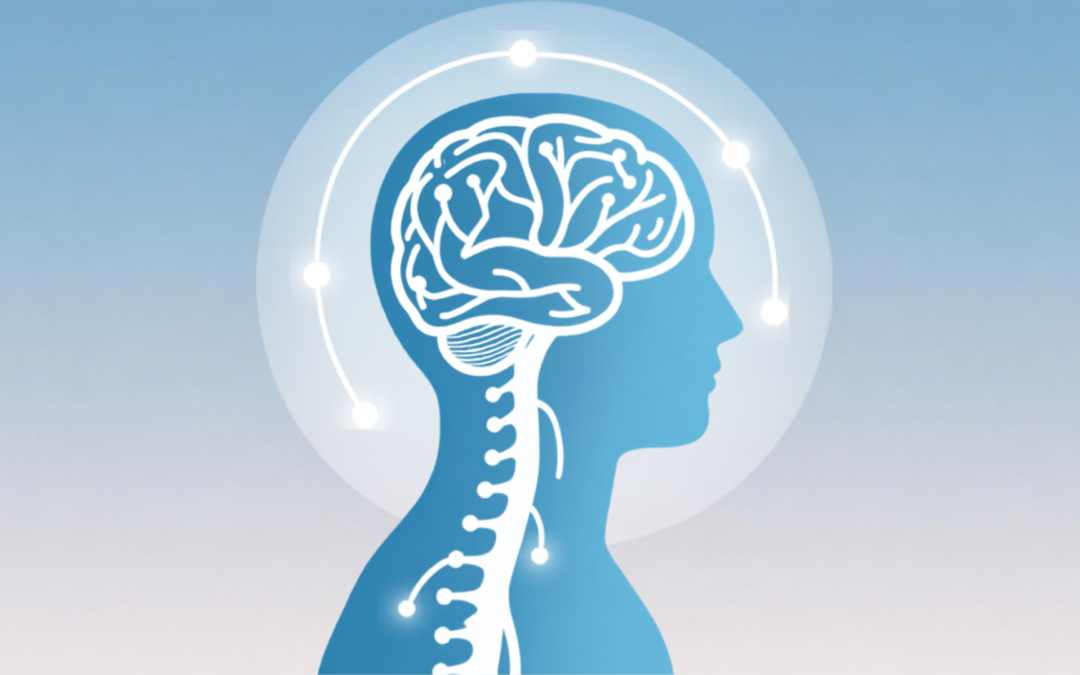
Have you noticed why on some days you can handle stressors with ease while on other days, similar situations leave you feeling overwhelmed? Well, if you have, you are most definitely not alone.
In this post, we’ll explore how your nervous system works and introduce the Window of Tolerance. We will also take a look at what happens when stressors push you beyond this window into a state of hyperarousal or hypoarousal.
So what is the Window of Tolerance and how does it work?
The window of tolerance refers to the optimal state in which our nervous system is able to effectively respond to stressors, challenges or uncertainties (Neff, 2023). When we are in this window, we are more likely to feel engaged, curious, grounded and calm (Neff, 2023). Our nervous system helps us adjust to our surroundings through two processes: the sympathetic nervous system which increases activation and energy, otherwise known as the “fight or flight” response and the parasympathetic nervous system which reinforces rest, otherwise known as the “rest and digest” response.
It is important to note that the sympathetic and parasympathetic nervous systems work conjointly to respond to everyday stressors and challenges.
Dr. Megan Anna Neff shares an important metaphor of a gas and brake pedal of a car, acting as the sympathetic and parasympathetic process working together (Neff, 2023). Moreover, she notes that such fluctuations between both processes are necessary as she speaks about an activation of the sympathetic nervous system when faced with a stressor or engagement of the parasympathetic nervous system when we are going to sleep (Neff, 2023).
Now you may be asking yourself, what happens when we leave our window of tolerance?
The body goes into one of two states. In the hyperarousal state, the sympathetic nervous system predominates, and our body becomes mobilized for action (Neff, 2023). Some common signs our body is entering a hyperarousal state include panic, fear, a racing heart, heightened awareness or aggression (Neff, 2023).
In a hyperarousal state, the body needs regulation which can look like:
- Mindfulness and breathing exercises which can help regulate our nervous system and ease or reduce heightened levels of alertness by signaling a sense of safety to our body (Marks, 2022)
The other way our nervous system may respond to stress is by entering a state of hypoarousal. In this state, the body goes through decreased nervous system activity and can lead to shut down or withdrawal due to overwhelm (Neff, 2023). In this state, we may be feeling numb, disconnected, fatigued and dissociated (Neff, 2023).
In a hypoarousal state, we want to stimulate gentle activation which can be done through:
- Grounding exercises that engage the five senses (sight, hear, smell, taste and touch) (Marks, 2022)
- Temperature exposure, specifically cold temperatures by splashing ice cold water on the face which activates the sympathetic nervous system
- Physical movement can increase heart rate and therefore, increase energy levels
Tying this all back to the beginning of the post, why does it feel like we can overcome stressors with more ease and confidence on some days and not others?
Well, there’s a range of factors that can impact how narrow or wide our window of tolerance is. This can include:
- Previous traumatic events
This can even come down to everyday differences. In Dialectical Behaviour Therapy, Marsha Linehan speaks on vulnerability factors which she described as the factors and history that made one vulnerable leading up an event (Linehan, 2015). I’ve listed a few factors below, but I encourage you to think about factors that are potentially impacting how you show up everyday which can be affecting the width of your window of tolerance. Here are a few to get us start thinking about vulnerability factors:
- Ongoing stress in multiple realms of our life (e.g., school, work, interpersonal relationships, career, financial situation, health, etc.)
- Life transitions (e.g., new career, relocating, taking on new roles such as parenting)
If you can take one piece away from this post, I want to remind you that it is natural for one’s nervous system to shift and change throughout the day. I encourage you to practice recognizing patterns or signs when you feel your body has moved beyond our window of tolerance into either hyperarousal or hypoarousal.
Neff (2023) suggests a practice called nervous system mapping in which we can set some time, once or twice a day to scan our body and note how we are feeling. Moreover, she notes that just paying attention to a racing heart rate or tension in our body can point towards hyperarousal or fatigue can point towards hypoarousal (Neff, 2023). Paying attention to what our body is telling us is crucial and necessary in order to engage in the skills to regulate us back to our optimal zone and effectively manage daily stressors.
Understanding your nervous system is an important step toward understanding yourself and how your body responds to stress. We are here to help you along the way. Contact Us if you’d like to speak with one of our counsellors.
References:
1 Marks, T. [Dr. Tracey Marks] (2022, May 4). Window of tolerance: what is it and how to stay in it [Video]. Youtube. https://www.youtube.com/watch?v=VD8hhboXYTI
2 Neff, M. A. (2023, January 8). The window of tolerance: how to build emotional resilience and regulation. Neurodivergent insights. https://neurodivergentinsights.com/window-of-tolerance/?srsltid=AfmBOopUSbQ677ejHjiAB7rqVG636K66QGOyoV67ozOyqlsxWa8duLYa
3 Linehan, M. M. (2015). DBT Skills Training Handouts and Worksheets (2nd ed.). The Guilford Press.

by Anna Hers | Jan 9, 2026 | Anxiety, Mindfulness, Neurodiversity, Post-Traumatic Stress Disorder, Trauma
We’ve all heard it – mindfulness is a mental health powerhouse. It can ease anxiety, depression, stress, and help us stay present.
But what happens if you sit down, relax your body and close your eyes, and instead of feeling amazing it feels… terrible?
It’s not your imagination. For some people, mindfulness can feel like it turns up the discomfort and chaos, instead of turning it down. You’re not doing it wrong—mindfulness can feel difficult for many people, and that’s okay. There are ways around this! Let’s talk about it.
Why Does Mindfulness Feel Worse for Me?
Some people are more likely to feel uncomfortable while trying mindfulness, at least at first.
If you:
- Have a history of trauma
- Grew up with chronic stress
- Have anxiety sensations that you usually try to avoid
- Have strong self-criticism or perfectionism
- Are neurodiverse or have sensory sensitivities
- OR have a condition like anxiety, depression, PTSD or OCD…
… then you might find that these things can pop up extra loud when you try to slow down.
For many people with these experiences, silence and stillness can feel instinctively unsafe. By sitting down and closing your eyes, your nervous system may be anticipating all sorts of threats. So why does this happen?
Why Does Slowing Down Feel Threatening?
Mindfulness uses something called interoception, which is the practice of noticing the sensations in our bodies and thoughts in our minds.
If you grew up with chaos or frequent threats, your brain may have learned to expect danger—even during calm moments. Over time, your baseline body sensations can become linked with a sense of threat, so paying closer attention to them now can sometimes trigger avoidance or panic.
Or if you struggle with negative or obsessive thinking, trying to observe your thoughts without any guidance might be a bit like standing in the middle of a mental hurricane, all while you’re supposed to be sitting still in peaceful bliss. “Well this is horrible,” you might be thinking.
People with neurodiverse brains can especially find long periods of stillness or focusing on the body difficult, even dysregulating. If you have attention challenges you might feel bored, restless, or frustrated when sitting still. If you have sensory sensitivities, you can find the experience of bringing more attention to your internal experience overwhelming. Most neurodiverse people have nervous systems designed for movement or stimulation, and sitting still and focusing quietly can feel unnatural.
And for people with histories of trauma, PTSD or significant anxiety, trying mindfulness on your own might feel like shining a giant spotlight on all your distressing emotions without any safety rails. Noticing uncomfortable feelings can trigger your brain’s alarm system (the amygdala) before your thinking brain (the prefrontal cortex) has a chance to calm it. This hyperarousal is normal for people with trauma, PTSD, or severe anxiety, and isn’t your fault.
The good news? All of this can be managed with practice and a thoughtful approach.
Is Mindfulness Still Worth It?
With all these challenges in mind – is mindfulness still worth it?
The answer is yes, absolutely.
In fact, the people who notice these difficulties the most might be the ones who can gain the most from practicing mindfulness. Even if it feels challenging at first, with guidance and structure, mindfulness can help you develop more awareness, self-compassion, and resilience.
Not convinced yet? That’s fair. Here are the effects we can see with practicing more mindfulness over time:
- Cortisol lowers in the body over time, softening anxiety and stress symptoms.
- Communication improves between your brain’s emotion center and thinking center, helping you tolerate distressing feelings without becoming overwhelmed.
- Your attention, memory and cognitive flexibility improve.
- You can develop more tolerance for the feelings inside your body, helping your nervous system feel safer over time.
- You can learn to be more curious and compassionate with yourself, turning down the volume on rumination and self-criticism.
Ways to Adapt Mindfulness for Your Nervous System
Not sure how to start? Here’s how you can make some changes to your mindfulness practice to better support your nervous system.
Anxiety / Anxiety Disorders
Focusing on your body right away might not be the best fit, so let’s start focusing externally first. Notice something outside of yourself, whether it’s something to look at, a texture to feel, or a sound to listen to. If movement helps, you can stretch or rock your body, or gently shift your weight in a chair.
Try for just 30-60 seconds to avoid flooding your system. If any internal feelings pop up, practice noticing and labelling them without judgement, saying to yourself, “that’s my heartbeat, it will slow down soon”, “my breathing feels shallow right now, but it’ll return to normal”.
Inner Critic or Rumination
Try shorter sessions to take some of the pressure off. Practice observing and labelling what is happening inside you without engaging with it, telling yourself: “that’s a thought” or “that’s a feeling”. If you struggle to stay in the moment, practice self-compassion and say “it’s okay if my mind wanders, noticing that is what I’m practicing”. Celebrate every time you notice your mind wandering. Then, come back to the present moment.
Neurodiverse Brains
Mindfulness doesn’t have to be still. You can practice mindfulness while walking, stretching, doing yoga or even while you do chores. Try doing 30 – 60 second stints, multiple times a day, and focus on external factors like textures, sounds and things you see. Choose your own posture, focus and timing. If it’s hard to stay engaged, try guided exercises with changing stimuli to stay interested. The key is finding what feels sustainable and safe for you.
Trauma / PTSD
Keep your mindfulness sessions short to avoid flooding your nervous system, and start with focusing on external sights, textures, smells and sounds before bringing more awareness to your body. Whenever you’re ready, you can slowly start bringing more awareness to your internal environment, keeping it tolerable.
Help! It Feels Terrible!
If at any point you feel overwhelmed or distressed by your mindfulness exercises, it’s completely okay to stop and take a break, or try again another time. You can also try these things to help with that overwhelmed feeling:
- Find something very cold to hold, like an ice cube or cold pack from the freezer, or splash cold water on your face
- If your body feels tense, do 10 vigorous jumping jacks
- Try the 5-4-3-2-1 exercise: identify 5 things you can see, 4 things you feel, 3 things you hear, 2 things you smell, and 1 thing you taste
- While breathing, practice extra slow exhales
- Push your feet into the ground and notice how they feel
- Remind yourself that this feeling is temporary
- If you’ve tried these and still need a distraction, trying listening to music, reading, or doing a task until you’re feeling more relaxed.
There’s Always Help if You Need It
We hope this helps, and sheds some light on why mindfulness might feel extra challenging for you – at least at first – but also why it’s likely worth the effort in the long run.
If you’re not sure where to start and you’d like a safe and thoughtful plan for practicing, our team is here for you! Reach out to us today.

by Leah Jivan | Nov 7, 2025 | holiday, Mental Health, Mindfulness, Seasonal, Self Care, Stress
As we enter the final few weeks of the year, a mix of both excitement and stress begins to set in. For many people, this winter season brings the anticipation of several celebrations – Christmas, Hanukkah, Kwanzaa, Bodhi Day – each filled with valued traditions, excitement, and meaningful connections with others. Whether you celebrate these holidays or not, their presence is felt everywhere you go – from tree lights and extremely crowded shopping malls, to last minute runs to the grocery stores to host festive gatherings with loved ones.
Hectic Holidays
With the festive ambiance filling the air all around us, there is often an unspoken conversation around the end of year stress. Whether it’s meeting work deadlines, navigating financial stress, hosting gatherings or simply trying to wrap things up that have accumulated, fatigue, burnout and feeling all over the place during this time of year are all too common.
As a student, December has often felt like three months packed into one. The weeks leading up to the holidays was filled with joy and anticipation while simultaneously also juggling assignments, deadlines and fatigue. This rollercoaster of a month somehow always comes as a surprise every year despite trying to prepare in advance.
If you’ve ever found yourself feeling that way, you’re not alone. Over the past few weeks, I’ve done some research and taken some time to reflect on what has helped me manage this bustling and hectic season. My hope is that by sharing these tips, you can take what resonates with you to help make it through this final stretch. I also recognize that this time of year can be difficult for some as it can bring up personal memories linked to more challenging times in their lives
These tips are universal and can be used whether or not you celebrate any holidays in December or throughout the year. They can serve as a guide to wrap up the year with more intention and hope:
Creating Intentional Moments to Pause
One of the most impactful practices I have incorporated in my life is to try and intentionally make space to pause. In the book, “Mindful Relationships: Seven Skills for Success”, the author notes the basic need to rest and repair is grounded in our physiology – however, many of us replace the need to rest with caffeine, sugar, exercise or living on the edge which overtime, leads to physical and emotional burnout (Bullock, 2016).
Living in a world where we are constantly being pulled in different directions by school, work or personal obligations and being reminded of the ever-present “hustle culture”, the idea of even attempting to take a break can feel impossible. Bullock (2016) highlights the common mindset in our society of “work hard, play hard” which gives into the idea that we “should” constantly occupy ourselves with not one minute to spare. Intentional pauses in our lives can take many forms. I’ve personally found that simply taking five minutes before bed to process my whole day or going for a walk around the community are meaningful ways to pause. This can also look like journaling, meditating, grounding exercises and so many other little techniques! One of my personal favorites when I’m sitting in bed is to just think of one word or phrase to sum up my day or where I’m at right now.
You Know Yourself Best: Be Mindful of When You May be Reaching Your Full Capacity
John Kabat-Zinn, the creator of Mindfulness-Based Stress Reduction defined mindfulness as “paying attention in the present moment in a non-judgemental way” and he breaks it down with six key ideas (Bullock, 2016). In a nutshell, I have summarized these six key ideas1 below:
- Recognize your recurrent or repeated response tendencies
- Notice how your perceptions, way of communicating and stories impact others
- Listening over the urge to immediately respond
- Fully listen to what someone has to say rather than responding right away with a personal reflection, a solution, criticism or judgement
- Reframing communication through the lens of an observer not an evaluator
- Notice and acknowledge what signs our body is sending us and taking a step back before reacting
Let’s break down two of those key ideas in more detail:
Setting an intention to pause and notice your automatic, habitual patterns of response. During periods of high stress, we have a tendency to deny and block out the ability to feel negative emotions and over time, we may or may not notice a pattern of engaging in the same, general tendencies. This is a subtle internal process but recognizing this pattern can be so powerful to acknowledge in times of stress.
Recognizing signs when you are stressed or overwhelmed and intentionally taking a step back to regulate before responding in a way that could be harmful or not intended. Our body constantly sends us different signs and messages, telling us to fight or flight from our sympathetic nervous system or rest-digest from our parasympathetic nervous system as well as emotional, physical and behavioural signs. Listen to these signs! They are there for a reason…You know yourself and your body best.
Practice Presence in the Here and Now
Do you sometimes find yourself multitasking between what seems like ten things at the same time and you find it challenging to be fully present? You are definitely not alone! Let me introduce you to the concept of “One-Mindfully” (Linehan, 2015). The idea of One-Mindfully is one of the core components to DBT (Dialectical Behaviour Therapy) and is key to the psychological and spiritual traditions of mindfulness (Linehan, 2015). One-mindfully encourages that just for right now, try to be present in what you are doing, taking it one thing at a time (Linehan, 2015).
A book called “The Power of Pause: Becoming More by Doing Less” describes the consequence in “hurrying” as we become so focused on the destination that we see and hear only what we want to (Hershey, 2011). However, when we pause, we can explore things beyond this tunnel vision, we see or hear things as they are, not as we expect them to be (Hershey, 2011). This practice invites the opportunity to notice any desires to multitask while encouraging you to go back to the one thing you were focused on (Linehan, 2015). The book describes this practice with different examples such as, when you are eating, actually eat, or when you are remembering, actually remember (Linehan, 2015).
Recognize the Expectations While Transforming Your End of Year Checklist to a Flexible Guide
The end of the year can feel like a marathon as we try to fill so much into each day, racing to the finish line. While reading a little passage from “The Power of Pause: Becoming More by Doing Less”, I was reminded that most traditions recognize that we as humans, have the ability to hold a “doing” space and a “being” space (Hershey, 2011). Moreover, in the “doing” space, we work, produce and accomplish and in the “being” space, we carve out time to rest, pray, sleep and wonder (Hershey, 2011). Often, these marathons can feel like a mandatory checklist that we need to complete but being able to create space for both the “doing” part and the “being” part is necessary (Hershey, 2011).
I hope these tips are something that we can all take into the last few weeks of the year. Whether December is a joyful time of the year for you or one that is more challenging, I hope these tips can serve as a gentle reminder to try and take a pause, give yourself grace and remember that you have the strength to overcome these last few hurdles before starting a new year.
You don’t have to face this challenge alone. Contact us if you would like to speak with one of our counsellors.
References:
1 Bullock, G. B. (2016). Taking a Purposeful Pause. Mindful Relationships: Seven Skills for Success (pp. 107-113). Jessica Kingsley Publishers.
2 Hershey, T. (2011). The Power of Pause: Becoming More by Doing Less. Loyola Press.
3 Linehan, M. M. (2015). DBT Skills Training Handouts and Worksheets (2nd ed.). The Guilford Press.