
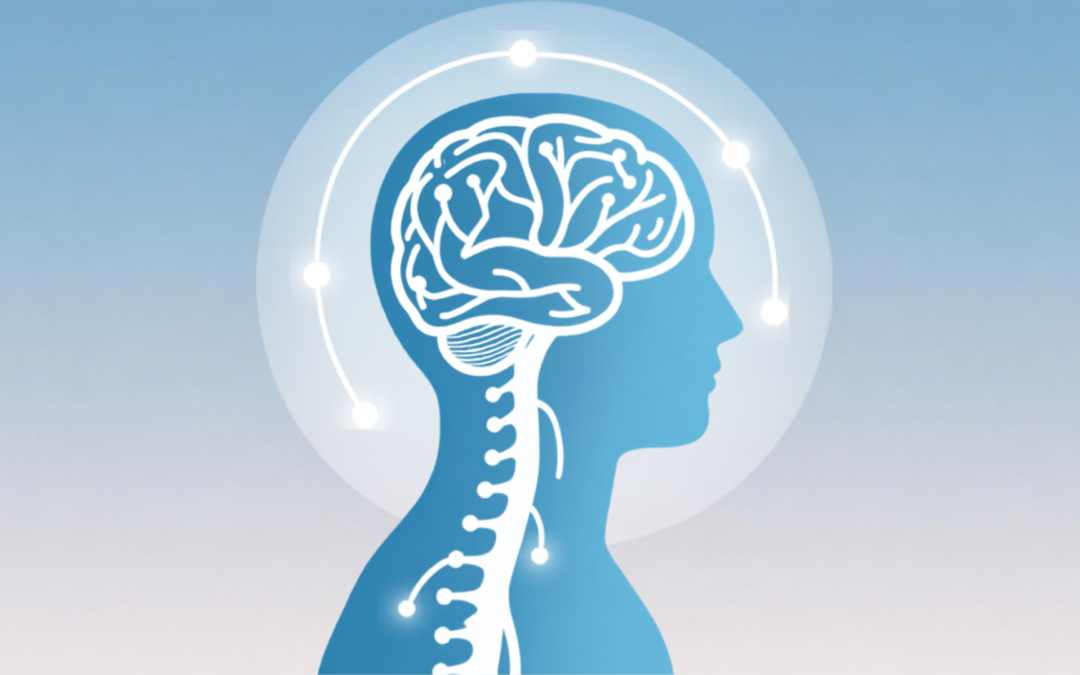
Have you noticed why on some days you can handle stressors with ease while on other days, similar situations leave you feeling overwhelmed? Well, if you have, you are most definitely not alone.
In this post, we’ll explore how your nervous system works and introduce the Window of Tolerance. We will also take a look at what happens when stressors push you beyond this window into a state of hyperarousal or hypoarousal.
So what is the Window of Tolerance and how does it work?
The window of tolerance refers to the optimal state in which our nervous system is able to effectively respond to stressors, challenges or uncertainties (Neff, 2023). When we are in this window, we are more likely to feel engaged, curious, grounded and calm (Neff, 2023). Our nervous system helps us adjust to our surroundings through two processes: the sympathetic nervous system which increases activation and energy, otherwise known as the “fight or flight” response and the parasympathetic nervous system which reinforces rest, otherwise known as the “rest and digest” response.
It is important to note that the sympathetic and parasympathetic nervous systems work conjointly to respond to everyday stressors and challenges.
Dr. Megan Anna Neff shares an important metaphor of a gas and brake pedal of a car, acting as the sympathetic and parasympathetic process working together (Neff, 2023). Moreover, she notes that such fluctuations between both processes are necessary as she speaks about an activation of the sympathetic nervous system when faced with a stressor or engagement of the parasympathetic nervous system when we are going to sleep (Neff, 2023).
Now you may be asking yourself, what happens when we leave our window of tolerance?
The body goes into one of two states. In the hyperarousal state, the sympathetic nervous system predominates, and our body becomes mobilized for action (Neff, 2023). Some common signs our body is entering a hyperarousal state include panic, fear, a racing heart, heightened awareness or aggression (Neff, 2023).
In a hyperarousal state, the body needs regulation which can look like:
- Mindfulness and breathing exercises which can help regulate our nervous system and ease or reduce heightened levels of alertness by signaling a sense of safety to our body (Marks, 2022)
The other way our nervous system may respond to stress is by entering a state of hypoarousal. In this state, the body goes through decreased nervous system activity and can lead to shut down or withdrawal due to overwhelm (Neff, 2023). In this state, we may be feeling numb, disconnected, fatigued and dissociated (Neff, 2023).
In a hypoarousal state, we want to stimulate gentle activation which can be done through:
- Grounding exercises that engage the five senses (sight, hear, smell, taste and touch) (Marks, 2022)
- Temperature exposure, specifically cold temperatures by splashing ice cold water on the face which activates the sympathetic nervous system
- Physical movement can increase heart rate and therefore, increase energy levels
Tying this all back to the beginning of the post, why does it feel like we can overcome stressors with more ease and confidence on some days and not others?
Well, there’s a range of factors that can impact how narrow or wide our window of tolerance is. This can include:
- Childhood experiences
- Previous traumatic events
- Psychiatric conditions
This can even come down to everyday differences. In Dialectical Behaviour Therapy, Marsha Linehan speaks on vulnerability factors which she described as the factors and history that made one vulnerable leading up an event (Linehan, 2015). I’ve listed a few factors below, but I encourage you to think about factors that are potentially impacting how you show up everyday which can be affecting the width of your window of tolerance. Here are a few to get us start thinking about vulnerability factors:
- Ongoing stress in multiple realms of our life (e.g., school, work, interpersonal relationships, career, financial situation, health, etc.)
- Lack of sleep
- Life transitions (e.g., new career, relocating, taking on new roles such as parenting)
If you can take one piece away from this post, I want to remind you that it is natural for one’s nervous system to shift and change throughout the day. I encourage you to practice recognizing patterns or signs when you feel your body has moved beyond our window of tolerance into either hyperarousal or hypoarousal.
Neff (2023) suggests a practice called nervous system mapping in which we can set some time, once or twice a day to scan our body and note how we are feeling. Moreover, she notes that just paying attention to a racing heart rate or tension in our body can point towards hyperarousal or fatigue can point towards hypoarousal (Neff, 2023). Paying attention to what our body is telling us is crucial and necessary in order to engage in the skills to regulate us back to our optimal zone and effectively manage daily stressors.
Understanding your nervous system is an important step toward understanding yourself and how your body responds to stress. We are here to help you along the way. Contact Us if you’d like to speak with one of our counsellors.
References:
1 Marks, T. [Dr. Tracey Marks] (2022, May 4). Window of tolerance: what is it and how to stay in it [Video]. Youtube. https://www.youtube.com/watch?v=VD8hhboXYTI
2 Neff, M. A. (2023, January 8). The window of tolerance: how to build emotional resilience and regulation. Neurodivergent insights. https://neurodivergentinsights.com/window-of-tolerance/?srsltid=AfmBOopUSbQ677ejHjiAB7rqVG636K66QGOyoV67ozOyqlsxWa8duLYa
3 Linehan, M. M. (2015). DBT Skills Training Handouts and Worksheets (2nd ed.). The Guilford Press.