by John Bablitz | Apr 2, 2020 | Addiction, Anxiety, COVID19, Mental Health, Tips
The COVID-19 coronavirus pandemic has affected everyone in some way – many of us are unable to work, unable to find access to child care or other important resources (one friend of mine has even been barred from doing laundry in his building). For some, like someone I know of who runs a milk delivery company, the pandemic is like an early Christmas present. Significantly and unfairly, the pandemic most adversely affects those who are most vulnerable: people living in or close to poverty who are out of work, people who are homeless, and those at highest risk to develop illnesses.
An important, but often overlooked group impacted by COVID-19 coronavirus are those who use substances. That includes those who rely on alcohol, cannabis or other drugs for medicinal or functional purposes (such as anxiety management), injecting drug users who rely on access to safe injection sites, and users of a variety of other substances for whom access has now dried up or become increasingly unreliable.
Imagine having to go device-free for a week, or longer – no phone, TV, computer, or other screen. For many of us this would involve literal symptoms of withdrawal, as we have become accustomed to using screens to cope with negative emotions, stress, anxiety, and to connect with others. I’m willing to bet you couldn’t, or wouldn’t, pull it off. A substance user’s drug of choice likely serves a similar function and is very likely quite painful to suddenly lose access to, without any sense of choice or control. My colleague very kindly reminded me of the difficulty some people will go through losing access to substances during a very uncertain and stressful time, and I feel sad to think of the number of us that will go through painful withdrawal symptoms (physical pain, uncontrollable anxiety or panic, and severe depression are just a few) and as a result will be forced to find other ways to cope.
People are incredibly resilient and will generally find ways to get through difficulties whatever the cost. I wanted to talk a little bit about the ways we can cope with difficulties, even in the face of withdrawal from something as mild as social isolation or as severe as substance addiction. Recovery from substance dependency involves building recovery capital, which is a blanket term referring to resources (both external and internal) that allow us to slowly build up capital – a wealth of other ways to cope. There are hundreds of examples, but some key themes are relationships with others, health (physical, mental, and emotional), strategies and tools, and a relationship with oneself.
Substances can be an effective tool in the short-term, but they have shortcomings: they don’t tend to last very long, they take a physical toll, and they can keep us away from some opportunities for the growth that comes from going through difficulty with the right support. Substances are considered part of passive coping, just like video games, junk food, and ignoring a problem. Passive coping is not bad, it is an important resource and we don’t want to overuse it. Active coping is also an important resource: exercise, diet, certain types of social support, therapy, learning, and other health behaviours fall into this category. Simply put, active coping is anything we do to directly cope with a difficulty, and passive coping tends to avoid the implications of a difficulty. The trick is striking a healthy balance between the two.
If you have recently lost access to substances or access to other important habits, I’m really sorry – you didn’t get to have a choice in the matter; an invisible and seemingly uncaring force made the decision for you. That really, really sucks, and now you’re stuck managing as best you can. Some that I have talked to will use tools such as exercise or meditation to achieve another type of “high,” and focus on emotional, spiritual, or intellectual pursuits when they have the energy to do so. When they don’t, they will use whatever means necessary to get through the really hard moments: sleeping a little more, indulging in TV or video games, venting to friends, or eating a little extra sugar.
You will find a sample list of different coping tools and a couple resource links at the bottom of this article. However, I’m not really here to give a bunch of advice, as everyone is different, and there aren’t any one-size-fits-all solutions. If you want help taking care of yourself right now and want to talk about creating a short-term plan, let me know and I can help with that. But you know yourself best, and you know what will get you through this better than anyone else does, and hopefully you know when you might need to seek support. Mostly, we just want to say that whatever your situation, we are thinking of you and rooting for you to get through it, because there is a lot of uncertainty and difficulty for a lot of us right now. Always feel free to reach out, and most of all, take care of yourself.
Tips for the “Green Zone” – when we have some energy or motivation:
- Don’t overdo it – quality over quantity. Give yourself a realistic and short amount of quality time (say 15 minutes) to spend on something that your ideal version of yourself would do: go for a walk or a run, listen to some music, do yoga, spend some time reading, writing, singing, or drawing, complete a short work task, organize your cupboards – whatever. When you’re doing this, try to let all your focus rest on the activity at hand. Here’s a quick video tip from a children’s book I’m a fan of.
- Try meditation. Focus for a few minutes on your breath, and spend some time being curious about yourself: how do I feel at this moment? What physical sensations do I notice? Do I feel anything towards myself or towards those sensations? Try to avoid positive or negative judgments during this time, and if they arise, just notice that they are there. The goal is just to be, to observe yourself internally at that moment.
- Spend time cooking yourself a healthy meal from scratch, and eating it without any distractions, focusing on how good it tastes, and feeling good about yourself for putting the energy in to make it. If you can, even better to share it with someone.
Tips for the “Yellow Zone” – when our stress is present but manageable:
- Notice what thoughts and feelings are coming up with as much compassion as possible. Imagine the things that are happening internally are happening to someone you really care about (real or imaginary). What would you tell them? How would you want to care for them? Try to identify a small way you could care for yourself in that moment. If all else fails, take some deep, slow, breaths.
- Exercise. Get your blood pumping and get moving, this will give you an adrenaline spike to help you get through the next while. If you are tired later, you’ve earned a break! Take a nap.
- Put on some music to match your mood, and paint, draw, or write along to it.
- Call or chat with someone. Most of us have time on our hands – talk (or even vent) about what is stressing you, ask how they are doing and try really hard to listen well. When we share with others, or work hard to understand others, our relationships deepen and we feel closer and more comfortable. If you’re not up for a conversation, just play some online video games together. If you are struggling with something specific, try to find an online chat group that specializes in that type of thing. If substance use is your thing, there are tons of online chat groups full of people who have good advice and good support, all anonymous and for free.
- If you have a therapist, an online session might be a good idea.
Tips for the “Red Zone” – When the bomb hits or is about to hit:
- Breathe. Inhale for 3-5 seconds, hold for 2-3, and exhale slowly for 7-10, like you’re blowing on something to cool it.
- Douse your head in cold water for a few seconds – this activates a survival “dive reflex” that calms the body. You can also try grabbing some ice cubes and squeezing them in your hands, focussing on that feeling and seeing how long you can go before having to let go. It’s pretty hard, and good at redirecting the brain.
- Reach out to whoever feels safe to reach out to, in whatever way feels ok.
- Feel free to use your favourite passive coping mechanism: watch a movie, eat something (preferably deliberately slowly), try to take a nap.
- Imagine or daydream.
- Write or draw – destroy some paper with whatever you’re feeling at the time.
There are countless other things you can do, and lots of online resources for meditation, emotional regulation, practical addiction support. Again, individuals vary wildly, so if you want help creating a specific plan for yourself, feel free to reach out to a mental health professional. We’re in this together, and we’re rooting for you here at Alongside You.

by Rebecca Farnell | Mar 21, 2020 | COVID19, Mental Health, Tips
Can I get real here? We find ourselves in very difficult and unsettling times. As a mental health professional, I am struggling to provide a sense of hope or assurance to my clients during this time. What can I say? What can I offer? So, let’s be honest. It is scary. Yep, we can admit that we feel scared! It feels as if control is slipping through our fingers. Things are changing every day…even hour by hour.
Over the past few days, I have been focusing on what I know to be true. I would like to share some of these thoughts with you.
- It is ok to feel anxious. FULL STOP. You do not need to put on a brave face and pretend that you are fine. Anxiety is normal. It feels different for everyone. Some folks get sweaty, others find themselves feeling angry or bursting into tears. Other people experience a tightness in their chest or racing heartbeat. Anxiety looks and feels different for each person. Please remember to be kind to yourself and others as we are all doing the best we can. Some great resources for anxiety can be found at anxietycanada.com
- It is ok to feel disappointed. For many of us, plans have changed. Trips are cancelled. Events are postponed. School is stopped for the unforeseeable future. Many folks have lost their jobs. These are extremely disappointing times. Something I have noticed lately is, when someone is sharing their disappointment, they try to downplay it because it is “not as bad as someone else” So now, folks are heaping shame unto their disappointment. Please do not do this. You are allowed to feel your feelings. I would love to give you permission: you are allowed to feel disappointed even if your disappointment is less than someone else’s.
- BREATHE. It sounds trivial, but I cannot stress the importance enough. I tell my clients from the little ones to the not as little ones; breathing is the fastest way for your body to calm down. I am not talking about small shallow breaths; these need to be deep down in your belly breaths. Slow, deep breath provides your brain and your body the fuel it needs to continue to support you and calm you down.
Some great resources on helping with breathing and calming down can be found at calm.com.
- DO NOT FEED THE FEAR; FOCUS ON FACTS
Just because something is on the internet, does NOT make it true.
Some questions to ask yourself:
Is this information coming from a valuable source?
How do I feel when I am reading this?
Is this helpful for me?
Some reliable sources may include:
Fraser Health Authority
Vancouver Coastal Health
BC Centre for Disease Control (and the BC COVID-19 Symptom Self-Assessment Tool)
- Limit your time online.
Reading articles, searching for answers, watching clips and listening to perspectives and options sometimes just gets a bit too much. Turn off your phone. Power down your computer. Your mental health will thank you.
Some things to try instead:
If you can, get outside and go for a walk.
Start a hobby- pick up that guitar, start writing that book, paint, colour, draw
Read a book
Have a nap
Clean your house
Organize your closets
If you need some screen time, try these:
Watch a movie.
Start a new series on Netflix
Take an online class, lots of universities are providing free courses…a FREE online course from Harvard…um…YES PLEASE!
Take a virtual tour of a famous museum
- CONNECT. Just because we are keeping our social distance, does NOT been we need to be distant from each other. Take this time to check in with folks:
Text.
Call.
Have tea via Facetime.
Send an email.
We need each other. Make sure you are reaching out when you need to connect. I know this is difficult for some folks, so be gentle with yourself and do what you can.
We have also just launched the COVID-19 Online Community Mental Health Support Group. This online community support group is focused on helping folks check in and process their feelings in a safe and secure clinical setting, with a special focus on tools to manage anxiety. If you think this would be helpful for you, please read more about it through the link above.
Or, would you prefer talking one-on-one with a counsellor? At Alongside You we are working hard to enact precautionary measures that so that clients can safely continue to attend in-person appointments if they choose to – please see our social media for all the precautionary measures we’re taking as a clinic. We also are offering online counselling appointments for any clients who may prefer to receive therapy from home during this time. If you would like to be paired with a counsellor and booked for a first appointment, the best way to get in touch at the moment is to fill out our contact page.
We are doing our best to respond to messages as soon as possible. If you have a counsellor already, please reach out to them directly for more information about booking a session, whether in-person or online.
For many of us, things feel out of our control. We wait. We wonder. We try to plan. I would encourage us all to focus on what each of us can do.
What are the things within our control?
Wash your hands. Often.
If you feel sick, STAY HOME.
Keep a social distance. 6 ft is recommended.
Practice gratitude each day.
Don’t forget to breathe.
The unknown is scary. Uncertainty is hard. Yet, as I tell my clients:
“We can do HARD things…together.”
by Kathryn Priest-Peries | Mar 5, 2020 | Mental Health, PTSD, Stress, Therapy
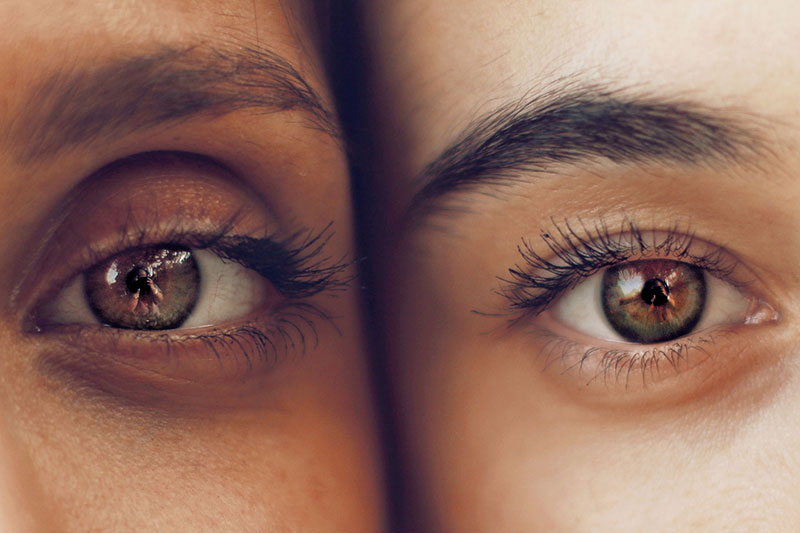
If you’ve ever wondered what on earth EMDR is, you’re not alone! While EMDR is well supported by research and has been found to be highly effective for many clients, it can sometimes be a strange concept for people to get used to.
So, What Is EMDR?
EMDR has been around now for about 25 years and is a highly evidence-based method of treating trauma and anxiety. EMDR stands for Eye Movement Desensitization and Reprocessing and gets its name in part from the fact that it primarily relies on eye movement to work.
A client undergoing EMDR is encouraged to move their eyes from side to side in a slow, steady manner while contemplating questions or discussion pieces that relate to their treatment. As odd as it sounds, the reason EMDR works is precisely because of how the brain processes memory. When we are asleep, our brains enter REM sleep (Rapid Eye Movement), and during this stage of sleep the brain is processing and filing the day’s experiences into our memory, so the next day can occur with a relatively clean slate.
Sometimes we get stuck on intrusive thoughts or traumatic material because the experience or issue has not managed to get appropriately filed in our memory. EMDR replicates the REM stage of sleep while the client is awake and alert, and supports the processing of painful memories or recurring intrusive thoughts. Interestingly, because EMDR mimics REM sleep it tends to work quite quickly. If the issues are not too complex, clients can often feel a sense of relief from their suffering in just a few sessions.
It’s important to know that at no time during EMDR is the client out of control or in a trance of any kind, and of course, the client can always choose to end an EMDR session at any point if they don’t prefer working in this way or find that they are too uncomfortable. This said, clients almost always leave an EMDR session feeling better than when the session began.
The second part of EMDR stands for Desensitization and Reprocessing. The goal of EMDR is to desensitize the client to something that was previously painful and to support them in reprocessing the painful issue.
So, what does this look like in an appointment? A client undergoing an EMDR session can expect to meet with a therapist in a comfortable room where they will both sit. The client will be asked some questions by their therapist, and then guided to use back-and-forth eye movement. During this time all the client has to do is sit quietly and allow themselves to think. Following about 1 minute of this, the therapist will check in with some questions and guidance. The eye movement sets will be repeated a number of times as the therapist leads the client through a set format of questions and feedback. Toward the end of the session, the therapist will switch gears and invite the client to “reprocess” the issue being addressed.
Clients then typically end an EMDR session feeling quite calm. The only side effect is that some folks find EMDR somewhat tiring, as the brain has been stimulated to work quite hard for the time of the session.
The good news is that while EMDR is especially effective for conditions like PTSD, it has also been reported as effective for panic attacks, complicated grief, dissociative disorders, disturbing memories, phobias, pain disorders, performance anxiety, stress reduction, addictions, sexual and/or physical abuse, body dysmorphic disorders and personality disorders.
As not all therapists have the necessary training, it’s important to note that EMDR should be done only with a therapist who is properly certified in working this way. If you’re curious about whether this treatment could work for you, reach out to us! We’re here to help.
Kathryn Priest-Peries is a Registered Clinical Counsellor and Registered Social Worker who has Advanced Level Training in EMDR and has been a practicing therapist for over 30 years.
Read more about Kathryn here.
Click here to request an EMDR appointment with Kathryn.

by Rachelle Kostelyk Pals | Feb 20, 2020 | burnout, Emotional, Mental Health, Stress
Mental and emotional burnout is something different from keeping a busy schedule and feeling tired at the end of a week. It occurs when a person has experienced pervasive and prolonged stress. Burnout can be described as occurring in a predictable manner in which it begins with excessive ambition and commitment, leads to changes in values wherein personal care is neglected and emotions are displaced, and typically ends in feelings of sadness, emptiness and/or defeat.
While many people live a full life and are invigorated by pace and productivity, burnout is often demonstrated by a persons’ inability to reenergize and struggle to stay focused. Although true burnout will affect each individual in unique ways, there are standard warning signs that your nervous system may be overloaded, and that you’ve neglected parts of yourself in the process. This list is not exhaustive, but it captures some common signs of burnout:
- You’re easily irritated and find it difficult to be patient with others.
When other people’s requests of you begin to feel like an assault on your capacity to provide what they need, it is an indication that you’re feeling depleted. Normally, a request is something we can consider, and decide in a relatively neutral way what we’d like to give.
What can you do about it?
Begin to check in with yourself more often to see what you need. When you feel that your own needs are taken care of, you’re much more likely to be able to meet the needs of others. When you have taken care of your own needs (for rest, solitude, exercise, nutrition, enjoyment, etc.) you will be better set up to meet those needs for others.
- You’ve lost the motivation to engage in activities you normally enjoy and may be more likely to procrastinate.
Procrastination tends to occur when we feel overwhelmed; our “system” (mind, body, spirit) is taxed and so we lose motivation. When we lose motivation, we’re less inclined to engage in activities we normally enjoy or the responsibilities we’ve committed to. When we’re not enjoying our activities, we’re likely to procrastinate in making them happen.
What can you do about it?
This may boil down to scaling back activities and responsibilities. It may also be a matter of tackling responsibilities in “bite-sized” pieces. Some people find it helpful to break down one big task into several smaller pieces, identifying deadlines and rewarding for a job well done.
- You feel detached from your own feelings, and your day-to-day life can feel robotic.
When a person experiences burnout, they have learned to function at such a high capacity that they have had to shed a certain degree of their “humanness” to do so. When a person begins to think (consciously or subconsciously) that emotions get the in the way, or that slowing down to be present in their experience is cumbersome, they will adjust to a way of being that sees those elements of the human experience eliminated.
What can you do about it?
It requires, yet again, a turning in toward yourself – toward your feelings, your present experience, your needs. Do regular “check-ins” to note the physical responses, the thoughts, and the emotions you’re experiencing. If you operate in a robotic manner, return to the things that make you feel human. Mindfulness practices can be really helpful. For example, hold a cup of tea and feel the warmth on your hand, note the scent it releases, and observe the design of the mug itself. Taking moments to look for what brings you pleasure can eventually lead to a slower, more human experience.
- You become emotional at unexpected times, and you are quick to cry.
If it is true that we are more inclined to detach from feelings if we are experiencing burn out, then it stands that our emotions will bubble up unexpectedly, as we know that they have to find their release somewhere J. If you find that you can go weeks at a time without identifying any significant emotion, but then suddenly cry at a car commercial, you may be experiencing burn out.
What can you do about it?
There are many ways to facilitate an open acknowledgement and acceptance of the emotion. Some people need to process it verbally with a good friend who listens well, or with a therapist. Some people find that journaling can be helpful as it forces a person to reflect on their experience. No matter how you begin, it requires a method for tuning in to your feelings, and this requires slowing down enough to make this possible.
- You experience an increase in worry and anxiety.
The capacity to process your environment is compromised, and your stress responses are weakened when you are burnt out. When your body and brain have operated as if you’ve been under threat for a prolonged period of time, the resources for dealing with everyday stress are inhibited, and you are likely to experience an increase in anxiety.
What can you do about it?
First, try to eliminate obvious stressors. An honest look at your schedule may illuminate the ways you’re overextending yourself, and where you can cut back. Second, don’t try to push away the feeling of anxiety. It can be very tempting to attempt to detach from anxiety, much like detaching from other emotions or feelings when experiencing burnout, but this can be counterproductive. Sometimes it can be helpful to follow the “thread” of the anxiety, to become curious about what it’s about, and to see if there’s something beneath the explicit fear. Particularly with burnout, it can be helpful to stay with the feelings of anxiety, as it can point us toward what we need.
To provide a personal example, when I was experiencing a strong sense of overwhelming several years ago, I began to worry – more than usual – about my children. I found more reasons to be concerned about their safety and wellbeing. It was during this time that I was also taking quite a bit of school work. When I became curious about my anxiety, and how it generally pertained to my children, I realized that I was really missing spending as much time with them as I had in previous years. I felt more distracted and less connected to them, and that was unsettling for me. My anxious feelings pointed me toward what I was really in need of at the time – to drop a course and to fit in more time with my young kids.
If you recognize yourself in any of the items listed above, it may be helpful to take some time alone. In the quiet of solitude, we are more likely to reflect on who we are, and what we need. In addition, it’s likely you could benefit from the support and guidance of a counsellor. If you think working with someone to process some of this could be helpful, give us a call, we’re here to help.

by Kathryn Priest-Peries | Nov 28, 2019 | Emotional, Mental Health, Mental Health Disorder, Post-Traumatic Stress Disorder, PTSD
In today’s world, many of us have experienced events that are deeply troubling. These include car accidents, physical assault, gruesome deaths, difficult childhoods, witnessing violence, working in fields where tragic things occur, etc. None of these experiences in themselves will result in post-traumatic stress disorder. Indeed, many events in life can be extremely upsetting but may not lead to post-traumatic stress disorder. For some, however, such events stay with the individual and change their ability to cope significantly.
Let’s begin with a bit of discussion about the difference between a difficult event and a traumatic one. I like to refer to difficult events as small-t traumas. These are events that can upset us for days, weeks, and even months. They take time to adjust to and with time and social support the individual is eventually able to function as well as they did prior to the difficult event. Capital-T traumas tend to be events that impact the psyche in ways that prevent us from returning to our previous ability to function. These tend to be events that are outside of the realm of normal human experience, i.e., they are statistically unlikely. Therefore, it is difficult for the sufferer to find social support as most people cannot identify with the events that have occurred. In addition, traumatic events tend to happen quite suddenly and therefore overwhelm the brain in terms of its ability to process what has occurred. There is a great deal of science that explains this but it is beyond the scope of this blog. Capital-T traumas can result in full-blown post-traumatic stress disorder.
How do I know when I need to get help for PTSD?
How does one know if they have post-traumatic stress disorder and should, therefore, seek help? There are several factors that experts agree are consistent with a diagnosis of post-traumatic stress disorder.
The first of these is physical symptoms. Following a traumatic event, it is not uncommon for the sufferer to report extreme fatigue, dizziness, headaches, as well as a host of gastrointestinal difficulties. In addition, the event itself may have left the individual with chronic pain. For example, motor vehicle accidents often result in observable injuries that are painful. If these symptoms persist beyond the length of time in which healing should occur, this may be a symptom of PTSD.
Secondly, those with post-traumatic stress disorder typically report nightmares about the traumatic event and other flashbacks. Flashbacks sometimes called triggers, occur when something relatively small reminds the sufferer of the entire traumatic event and the sufferer experiences a very high level of distress. An example of this might be smelling alcohol following an event in which an assailant was intoxicated or smelled like alcohol. The sound of sirens can also be a common trigger.
In addition, PTSD sufferers tend to exhibit a specific form of anxiety in which they begin to avoid situations that might remind them of the traumatic experience. This is done so that the sufferer can avoid feeling the distress and pain that they felt during the initial event. For example, if the traumatic event involved harm coming to a child, the sufferer may begin to avoid settings where there are children. These avoidances can make it very hard to resume normal life as some of them are quite common settings and or objects.
The next symptom that commonly occurs with PTSD is social withdrawal. This can take the form of an otherwise friendly person who begins to decline invitations that they would normally attend. The sufferer may also begin to spend time alone and become very quiet even within their own family. Added to this, the sufferer may begin to use alcohol or drugs in an attempt to withdraw from the feelings and memories associated with the trauma. They may also begin to engage in risky and seemingly wild activities such as driving erratically, walking alone in high-risk situations, etc., as a means of distracting themselves from the traumatic memory.
Repression or trying to forget the event is another symptom of PTSD. This can take the form of the sufferer destroying anything that might remind him or her of the traumatic event. It can even go so far as to result in a memory loss wherein the sufferer does not have a conscious memory of the traumatic experience.
Folks with post-traumatic stress disorder often become emotionally numb. Their loved ones may begin to notice a difference in that the sufferer appears to have no feelings. Sufferers themselves often describe feeling numb. This is the mind’s way of protecting us from becoming overwhelmed when something horrible has occurred.
Another common symptom of PTSD is what is called hyperarousal. Basically, this means that the individual becomes very jumpy and is easily startled. They may be startled by a sound that was present during the initial event such as a loud banging sound or may as easily startled by anything that they consider sudden. Individuals with PTSD often appear to be on edge as if they are waiting for the next bad thing to happen.
With all of the triggers, nightmares, hyperarousal, attempts to avoid being reminded of the traumatic event, and physical discomfort that may be present, it is no wonder that trauma survivors are commonly irritable. Irritability is the final factor that is typically present in a person with PTSD.
Is there hope for me or my loved one if PTSD is involved?
If the above describes yourself or someone you love, there is much reason for hope. PTSD is not a lifelong condition. However, it can be life-threatening if it is not addressed because the suffering is so intense. Ways of addressing PTSD include talking about it with someone trusted and who can really listen. Formal help in the form of counselling is recommended. It is important to identify and work with a therapist who has expertise in the assessment and treatment of PTSD. Such a therapist is likely to use methods such as progressive relaxation, Eye Movement Desensitization and Reprocessing (EMDR), talk therapy, art therapy, or neurofeedback, and may work in concert with the sufferer’s physician or other members of a healing team.
It is possible to return to living a full and happy life just like before the trauma. While the traumatic event cannot be forgotten, it does not have to define or debilitate a person who has survived a terrible experience. With the right help, it is possible to learn from even life’s most terrible experiences rather than be controlled by them.
—
Kathryn Priest-Peries is our newest Associate at Alongside You, starting in January. She has lived experience with, and a high level of expertise in working with Post-Traumatic Stress Disorder. If you identify with this article and would like to meet with her, please contact the office and we would love to set up an appointment for you.


by Adam Manz | Oct 29, 2019 | Anxiety, Counselling, Mental Health, Mental Health Disorder
Winter is coming, and so too are shorter days and longer periods of darkness. For a sizable percentage of people (~3% of the Canadian population1), this change to our environment can bring about a seasonal form of depression called Seasonal Affective Disorder, SAD. Those who experience SAD experience an onset of clinical depression in the fall season, which spontaneously improves in the summer, a cycle that usually repeats for at least two calendar years in succession. Interestingly, the symptoms of SAD are not typical of non-seasonal depression.2 Depressed mood, loss of interest in activities, and withdrawal from social interaction is common to both, but where typical depression usually includes insomnia, anxiety and reduced food intake, SAD is characterized by hypersomnia, carbohydrate craving and increased body weight. The symptoms look superficially like seasonal rhythms in animals as they prepare to hibernate.
In fact, many of the same biological mechanisms which prompt the onset of hibernation in animals like bears are similar to the processes which give rise to SAD in humans. This is because most organisms have internal body clocks which track daily and annual cycles in the external world. Our body clocks, for example, are capable of tracking how long the sun is present each day. While we don’t yet fully understand why this process affects mood, we know that SAD is associated with day length because data from different American states reveal that the incidence of SAD are higher in more northern states.3 This is also true of the ‘winter blues’, or sub-clinical SAD. We also know that the issue is in terms of day length and not the amount of sunshine a location gets because Calgary (~51° N) has much more winter sunshine than Vancouver (~49° N) but similar daylengths and population rates of SAD. This is particularly important information for us Canadians who live north of the 49th parallel. We may get plenty of sun, but we still experience shorter days.
So, as we get less daytime during these seasons, is it possible to trick our body clocks into thinking the days are longer?
Remarkably, one of the most effective remedies for SAD is bright light treatment. Introducing bright light in the Fall and Winter can prevent or reverse SAD, with roughly 2/3rd of SAD patients responding to the treatment4. The research indicates that it is as effective an antidepressant as any pharmaceutical used to treat SAD and when used correctly is accompanied by relatively few possible side effects. Importantly, however, bright light therapy may trigger mania in individuals with bipolar disorder5, so please consult with your doctor before considering the treatment. The minimum effective dose is approximately 2500 lux, which is about the intensity of sunrise outdoors.6 Bright light treatments, however, will often exceed 10,000 lux. Indoor, room lighting typically emits 500 lux and is thus an ineffective treatment. Those susceptible to SAD can purchase bright light-emitting visors or, alternatively, there are bright light lamps which allow one to sit or work in an environment containing ambient day-time levels of light. These devices can also be used strategically to ease certain sleep disorders and help realign one’s body clocks during jet lag.7
Because many of the symptoms of Major Depression and SAD are shared and the two disorders are often comorbid, traditional psychotherapy is also a highly effective treatment for seasonal depression.2 Research using group-based cognitive-behavioural therapy (CBT), for example, has demonstrated antidepressant effects which nearly mimic 30 minutes of 10,000 lux bright light treatment.8 Health professionals who utilize CBT teach skills to those suffering from various forms of depression which help to change their perceptions of the world.9 Cultivating emotional regulation, developing personal coping strategies, and learning to disrupt patterns of negative thoughts and actions are key constructs of CBT. Bright light treatment and psychotherapies like CBT may be used alongside one another, as well as in conjunction with other therapies like medication or mindfulness practices. Research also suggests that people whose depressive symptoms look more like the ‘winter blues’ than seasonal depression should improve their diets by limiting starches and sugars, exercise frequently, manage stress (especially around the holidays), increase social contact and connection, and spend more time outdoors.10
Finally, vitamin D, an essential building block for our bones and muscles, is in short supply in the Canadian Fall and Winter months. A deficiency of vitamin D has been associated with depressive symptoms and some research suggests that taking vitamin D before winter darkness sets in may help prevent symptoms of SAD.11 During the winter months, those living roughly 33 degrees north or 30 degrees south of the equator synthesize very little, if any, vitamin D.12 People beyond these latitudes rely primarily on eating fish and egg yolk or taking nutritional supplements to get the vitamin D needed.13 It is important that most of us, and perhaps especially people experiencing SAD, ensure that we have sufficient levels of vitamin D during these darker months. Thankfully, the Canadian government acknowledges this problem and mandatorily requires that products like cow’s milk, margarine, and calcium-fortified beverages have vitamin D added to them.14 Planning a mid-winter vacation may be valuable for its increased light exposure and onset of vitamin D synthesis, and who doesn’t like taking a vacation as a form of treatment?15
Thankfully, there are multiple options for Seasonal Affective Disorder which allow for more personalized treatment plans. If you’re feeling blue this Fall and Winter, Alongside You offers an abundance of counselling and well-being services that can help you if you identify with any of the discussion above regarding SAD.
If we can be of help to you, please don’t hesitate to ask. This is why Alongside You exists – because we believe that everyone is worth it. Feel free to contact us to see how we can help!

Adam Manz recently graduated from Simon Fraser University with a Bachelor of Arts majoring in Psychology. He is currently pursuing a master’s degree in clinical psychology while maintaining a love for meditation, podcasts, and hiking. Adam is volunteering with us here at Alongside You and we’re glad to have him on board!
References
1Body and Health Canada. (2019). Seasonal affective disorder. Retrieved from https://bodyandhealth.canada.com/healthfeature/gethealthfeature/seasonal-affective-disorder.
7Burgess, H. J., Crowley, S. J., Gazda, C. J., Fogg, L. F., & Eastman, C. I. (2003). Preflight adjustment to eastward travel: 3 days of advancing sleep with and without morning bright light. Journal of Biological Rhythms, 18(4), 318–328. doi: 10.1177/0748730403253585
9Canadian Mental Health Association. (2013). Seasonal affective disorder. Retrieved from https://cmha.bc.ca/documents/seasonal-affective-disorder-2/.
5Chan, P. K., Lam, R. W., Perry, K. F. (1994). Mania precipitated by light therapy for patients with SAD (letter). Journal of Clinical Psychiatry 55:454
4Golden, R. N., Gaynes, B. N., Ekstrom, R. D., Hamer, R. M., Jacobsen, F. M., Suppes, T., … Nemeroff, C. B. (2005). The efficacy of light therapy in the treatment of mood disorders: A review and meta-analysis of the evidence. American Journal of Psychiatry, 162(4), 656–662. doi: 10.1176/appi.ajp.162.4.656
13Health Link BC. (2019). Food sources of calcium and vitamin D. Retrieved from https://www.healthlinkbc.ca/healthlinkbc-files/sources-calcium-vitamin-d.
3Horowitz, S. (2008). Shedding light on seasonal affective disorder. Alternative and Complementary Therapies, 14(6), 282–287. doi: 10.1089/act.2008.14608
14Janz, T., & Pearson, C. (2015). Health at a glance: Vitamin D blood levels of Canadians. Retrieved from https://www150.statcan.gc.ca/n1/pub/82-624-x/2013001/article/11727-eng.htm#n2.
11Kerr, D. C., Zava, D. T., Piper, W. T., Saturn, S. R., Frei, B., & Gombart, A. F. (2015). Associations between vitamin D levels and depressive symptoms in healthy young adult women. Psychiatry Research, 227(1), 46–51. doi: 10.1016/j.psychres.2015.02.016
10National Health Services. (2018). Treatment of seasonal affective disorder (SAD). Retrieved from https://www.nhs.uk/conditions/seasonal-affective-disorder-sad/treatment/.
8Rohan, K. J., Mahon, J. N., Evans, M., Ho, S.-Y., Meyerhoff, J., Postolache, T. T., & Vacek, P. M. (2015). Randomized trial of cognitive-behavioral therapy versus light therapy for seasonal affective disorder: Acute outcomes. American Journal of Psychiatry, 172(9), 862–869. doi: 10.1176/appi.ajp.2015.14101293
12Stewart, A. E., Roecklein, K. A., Tanner, S., & Kimlin, M. G. (2014). Possible contributions of skin pigmentation and vitamin D in a polyfactorial model of seasonal affective disorder. Medical Hypotheses, 83(5), 517–525. doi: 10.1016/j.mehy.2014.09.010
6Tam, E. M., Lam, R. W., & Levitt, A. J. (1995). Treatment of seasonal affective disorder: A review. The Canadian Journal of Psychiatry, 40(8), 457–466. doi:10.1177/070674379504000806
15Targum, S. D., & Rosenthal, N. (2008). Seasonal affective disorder. Psychiatry (Edgmont), 5(5), 31–33.
2The National Institute of Mental Health. (2016). Seasonal Affective Disorder. Retrieved from https://www.nimh.nih.gov/health/topics/seasonal-affective-disorder/index.shtml.