by Dr. Catalina Zilveti | Sep 7, 2023 | Anxiety, Children, Parenting, Tips
Some School Anxiety is Normal!
First things first, it is normal and expected for children to have some worries with regards to going back to school! School anxiety may include worries like:
- Who will be my new teacher?
- Will my friends be in my class this year?
- How will I do in math/language/etc. this year?
- Will this year be harder than last year?
These are social and academic concerns that all children can experience from time to time. In these cases, it is important for parents to recognize these concerns and talk openly with their child about them. At the same time, it is critical that parents listen and empathize, never dismissing or minimizing the child’s feelings. Children need to be heard, like all people.
Parents’ Reactions to School Anxiety:
On the other hand, if parents react with anxiety to their child’s worries, the child will pick up on this and it will only heighten their worries. The calmer a parent can be, the more likely they will be able to really listen to their child and offer support, rather than react based on their own worries. As a parent, I know it can be incredibly tempting to jump in and fix it, to make it all better for our children. When we do this however, we are not really helping our children. We are not allowing them to learn and grow from these experiences. Ultimately, our goal as parents should be to help foster resilience in our children, rather than to promote dependency. Life will always present us with challenges and struggles, among other things. As parents, we play an important role in helping our children build resilience during times of hardship, walking alongside them and supporting them.
One of the questions I am often asked by parents with regards to back-to-school anxiety is, “How do I know if it’s normal worrying or anxiety?” There are signs for which parents can be on the lookout including:
- school refusal
- stomach aches/headaches/nausea
- shutting down in school and/or refusing to participate
- changes in sleep and/or nightmares
- changes in appetite
- heightened sensitivity
- low frustration tolerance with behaviours like anger outbursts or crying.
How to Help Your Child
When parents see these signs in their child, it is important for them to step in and help their child. The key steps to helping our kid in these situations are:
- Acknowledge what the child is experiencing.
- Let them (if they are old enough) describe what they are feeling.
- Most importantly parents: listen to, and acknowledge what your child says, so that they feel seen, and heard.
Once you understand what your child is feeling and experiencing, the next step can be a conversation with your child about coping strategies. My experience has shown me that children often come up with the best strategies for themselves!
There are times, however, in which parents see that their child is overwhelmed and really struggling and they themselves feel they do not know how to handle the situation. At times like this, professional assistance may be warranted and helpful. I know I’ve been there, and I’d love to be there for you too!
Click here to contact us to get support for your child.

by Meg Neufeld | Sep 1, 2023 | Anxiety, Art, Creative Arts Programs, Creativity, Teens
The pandemic has been tough on everyone, and according to both UNICEF and Statistics Canada, it’s been exceptionally tough on our children and teenagers. It’s impacted their social lives, their schooling, and their personal development. The challenges of social distancing, feelings of isolation from being away from friends and family, and the abrupt switch to remote learning have all contributed to the toll on their mental health. Now, more than ever, our young ones need new skills to adjust and flourish in this new normal.
Art and Healing
But here’s the silver lining – we’ve all seen the healing power of the arts during these difficult times. Remember the boom in virtual art sessions? The touching signs made for healthcare workers? The painted rocks scattered about? The spontaneous musical performances on streets and in hospitals? All these were clear signs of how art was used as a powerful tool to create meaningful connections, express our sense of community, and build resilience. And guess what? Our teens can harness the same power of art as they navigate their path towards adulthood.
Arts proved their worth in our toughest times, and they’re just as crucial for our kids today!
Our ‘Name it to Tame it’ art class is the ideal space for your teen to start reconnecting with the world. With its small group setting and nurturing, safe environment, it’s designed to help them develop healthy ways to cope through fun, creativity, and self-expression. So, your teen won’t just learn to create art in this class, they’ll also learn to create resilience and thrive in life.
Click here to learn more about Name it to Tame it — Mindfulness and Art for Anxious Teens.

by Meg Neufeld | Aug 25, 2023 | Anxiety, Art, Creative Arts Programs, Creativity, Teens
Our Name It To Tame It group for anxious teens isn’t run by an art therapist, it is run by a teaching artist, Meg Neufeld. What’s the difference you might be wondering?
Art therapists are professionally trained clinical counsellors with specific training in art therapy, who use creative expression and art-making as way to help clients explore their emotions and experiences in specific ways and with clinical support; teaching artists are practicing professional artists that place an importance on teaching people how to engage in art in a meaningful, helpful way that can have a positive impact on mental health and resilience.
Teaching Art for Teen Anxiety
Art therapy and teaching art can be game-changers in your teen’s wellbeing. Imagine them enjoying fun art activities that not only keeps them engaged but also makes a real difference in their lives. These creative sessions can help them let go of stress, motivate them to take care of themselves, and promote their personal growth. It’s about more than just painting or drawing, it’s about growing their confidence, boosting their self-esteem, and helping them build resilience. Art provides your teens with a fresh, creative outlet to explore and express their thoughts and emotions, and along the way, they’ll be acquiring crucial life skills. It’s a win-win situation, and what more could we as parents ask for?
As a professional and teaching artist, Meg Neufeld is in a unique position to draw from her own experience as a practicing artist and as an educator in the community. Meg has over two decades of experience as a professional artist, along with training in education and in mindfulness-based art techniques that can be passed on to teens struggling with anxiety. She also has personal lived experience about what it is like to make art for one’s physical, social, mental, emotional wellbeing as a result of her own journey with chronic pain.
Anxiety: Name it to Tame it!
If your teen is struggling with anxiety, we’d love to bring them into the world of art, and help them find a safe place to land, and explore how art can help them in their journey with their anxiety, and have some fun!
If your teen’s anxiety would prevent them from coming to a group, we’re also able to provide this service 1:1 and in pairs with parents – let us know if your teen would benefit from individual sessions!
Click here to learn more about the Name it to Tame it group (Mindfulness and Art for Anxious Teens).

by Meg Neufeld | Aug 18, 2023 | Anxiety, Art, Creative Arts Programs, Creativity, Teens
They both are excellent tools to manage anxiety! In recent years, mindfulness has emerged as an effective strategy for children and adolescents dealing with conditions like ADHD, anxiety, autism spectrum disorders, depression, and stress. Coupled with the health benefits of art-making, mindfulness skills can be instrumental in managing anxious or negative thoughts for children and youth.
Mindful Art Making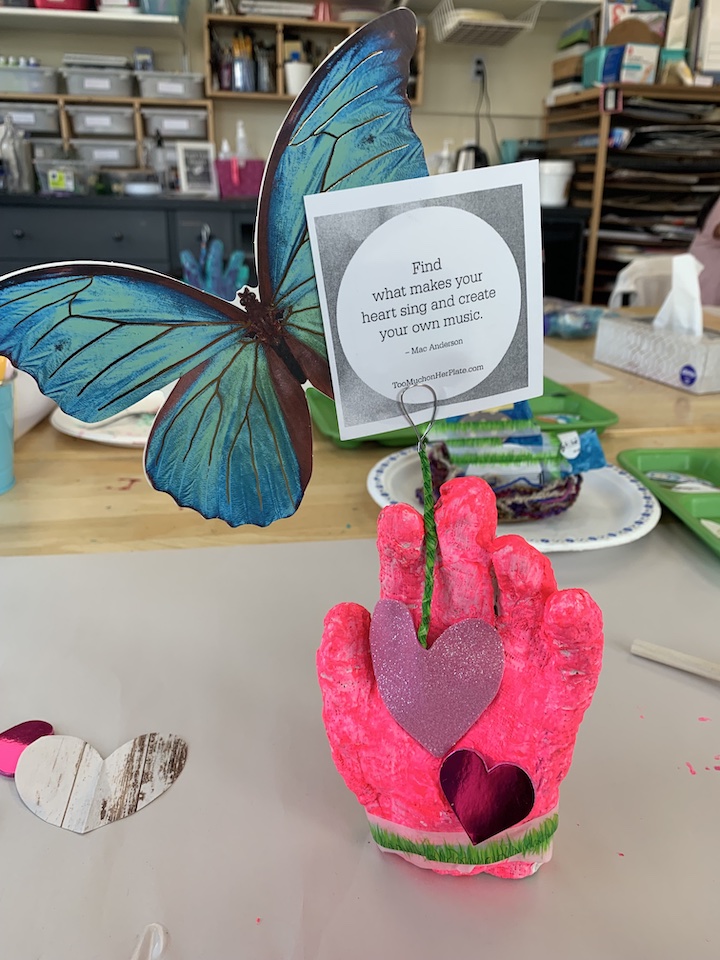
A recent study from the University of Waterloo shows that just 10 minutes of mindfulness-based activity a day can reduce anxiety and prevent your mind from wandering. Mindful art making activities, especially those that require repetitive tasks (like knitting), with sensory elements (like clay), and reflective components (like journaling) work to calm the nervous system, and soothe symptoms of stress and irritability.
Focusing on the process rather than the product, and approaching the art-making experience with compassion and a non-judgmental attitude can be instrumental in managing anxious or negative thoughts. Supporting child and youth mental health using mindfulness-based art activities is a no brainer (pun fully intended).
If you’re interested, check out the study from Waterloo: www.sciencedaily.com/releases/2017/05/170501094325.htm
If you’d like your teen to learn how to do this, check out our Name It To Tame It group starting this September! Click here to learn more.
by Meg Neufeld | Aug 11, 2023 | Anxiety, Art, Creative Arts Programs, Creativity, Teens
Did you know that an estimated 1.2 million children and youth are affected by mental illness. 70% of mental health issues begin in childhood and adolescence, yet 75% of children with mental health issues do not access specialized services. Teen suicide rates in Canada is one of the highest in the world, with rates in Indigenous communities being 11x higher than the national average (Youth Mental Health in Canada statistic)
According to the Canadian Pediatric Society, over 30% of teens have anxiety disorders, with girls (38.6%) having a higher rate than boys (26.1%). This is why it’s so important for us to prioritize, support, and advocate for mental health programs and treatment for children and teenagers.
How can Art help Anxiety?
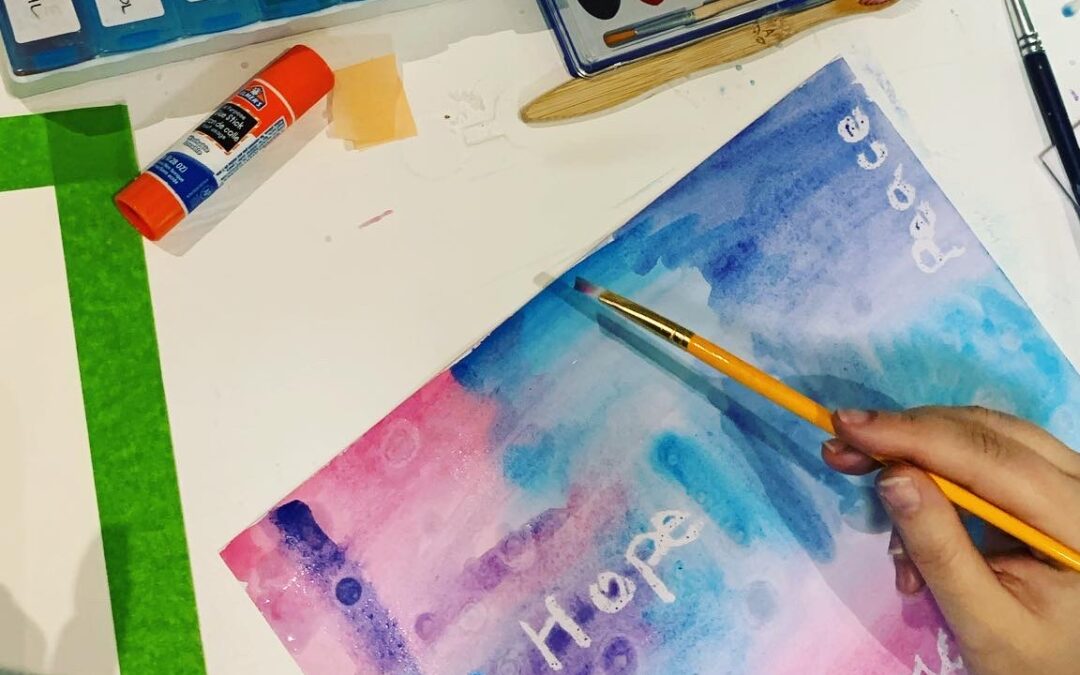
Back in 2019, the World Health Organization shared some eye-opening research. They found that letting young people explore their creativity through the arts can greatly improve their social skills, physical health, emotional wellbeing, and cognitive abilities. This holistic improvement in mental and physical health is making arts a vital part of healthcare, particularly for our children and teenagers. The more they’re able to express themselves through arts, the healthier they become, and this trend is gaining more recognition in the healthcare world.
Anxiety: Name it to Tame it
Our Name it to Tame it group is designed to use the arts described in this research to help teens with anxiety use art-making and mindfulness to improve their social skills, physical health, and mental and emotional wellbeing using a fun and creative art experience.
Click here to learn more about the Name it to Tame it group.

by Nik Stimpson | May 24, 2023 | Anxiety, Counselling, Dialectical Behaviour Therapy, Mental Health, Self Confidence, Stress, Therapy, Tips
Do you find yourself constantly worrying about every possible scenario that could go wrong? You’re not alone. Constant worrying, overthinking, and feeling out of control can take a big toll on your mental health and well-being. This makes it incredibly difficult to focus on daily tasks or enjoy life to its fullest. But there is a solution: Coping Ahead is an effective technique from Dialectical Behaviour Therapy (DBT) that helps you prepare for stress and manage emotions ahead of time.
Eventualities
When I was 19 years old I learned to pilot gliders (airplanes without engines, also called sailplanes). Before each flight, we would always go through our pre-flight checks, even if the aircraft had just landed from a previous flight. We would make sure all of the controls worked as expected, the instruments were reading correctly, and of other important things worth double-checking when you’re propelling yourself two thousand feet into the sky!
The very last step of every pre-flight check was to review “eventualities.”
Though it’s been many years now since I last flew, I still remember vividly what I would say out loud to myself at this step, time and time again:
“If a wing drops on the launch and I cannot recover, I will release the launch cable and land ahead. At a safe height and speed I will start to climb. In the event of a launch failure, I will release the cable and lower the nose to a recovery attitude, and gain sufficient speed before maneuvering. I will land ahead if possible. Otherwise, I will turn downwind, which today is [left or right] and complete an abbreviated circuit or find a safe landing solution. The wind today is ___ knots which means my minimum approach speed is ___ knots.”
Coping Ahead saves time and effort.
The reason for talking through these eventualities in so much detail on the ground is that you’ve already made all of your decisions in the event of an emergency. In an unlikely situation where the pressure is on and seconds count, you don’t need to waste precious time or mental effort deciding what to do. You’ve already thought it through, and simply must follow your plan.
And this skill isn’t just for pilots! In DBT, coping ahead is an emotion regulation skill that can help you rehearse strategies ahead of time to better handle stressful situations or uncomfortable emotions. By visualizing and planning out how you will cope with challenging situations in advance, you start to feel more confident in your ability to face them, boosting your self-esteem and reducing stress.
What’s the difference between Coping Ahead and overthinking?
Overthinking is a common response to stress that can be counterproductive. It is also a common feature of anxiety that involves dwelling on worst-case scenarios, often leading to a cycle of negative thoughts and emotions. It can be triggered by a wide range of every-day stressors or perceived threats.
On the other hand, rather than going in circles about problems, Coping Ahead involves thinking about solutions. It is a deliberate and proactive skill, rather than a reactive response that actually impairs your problem-solving abilities.
How do I learn to Cope Ahead?
If you want to learn how to Cope Ahead, there are some practical tips you can try.
- Identify potential stressors in your life, such as upcoming deadlines or social events.
- Plan coping strategies that work for you, such as deep breathing, positive self-talk, or seeking support from friends.
- Rehearse your coping strategies in your mind, visualizing yourself using them and picturing how they will help.
- Lastly, remember to take some time to relax and ground yourself. Well done!
If you are struggling with…
- Overthinking
- Low self-confidence
- Anxiety
- A sense of low control in your life
- Borderline personality disorder (BPD)
- Other conditions that cause intense emotional reactions to common life stressors
…then consider seeking support from a mental health professional. Coping Ahead is a skill that can be learned and practiced, and therapy can provide a safe and supportive environment for developing this skill. Contact our clinic to learn more about how we can help.