by Meg Neufeld | Sep 23, 2016 | Creative Arts Programs
Did you know engaging in creative art activities can enhance the quality of life of those who have Dementia and Alzheimer’s? Anne Davis Basting hits the nail on the head when she says” the visual arts offers a way to communicate beyond words[1].” Art can have a profound impact on the lives of those suffering from Dementia and Alzheimer’s.
What is Dementia and Alzheimer’s?
The Alzheimer’s Society of Canada defines Dementia as a group of symptoms that affect the brain’s ability to reason, remember information, communicate, and perform day-to-day-activities. Alzheimer’s disease is one of the most common forms of dementia (50%-70 % of all dementia cases are diagnosed with Alzheimer’s). However, memory loss can also be caused by other factors such as anxiety, vitamin deficiency, cardiovascular health, infection, thyroid function, and even depression.[2] Unlike Alzheimer’s, these conditions once diagnosed, can still be treated, are often temporary, and at times, reversible. Those diagnosed with Alzheimer’s are faced with an incurable disease that affects both language communication and memory retention.
With Alzheimer’s disease, a progressive decline of communication skills occurs. In the early stages, there are word-finding problems, comprehension difficulties, writing and reading difficulties. Over time, word-finding problems increase and conversation diminishes. This will eventually lead to limited verbal communication, the inability to read or write, difficulty expressing feelings, and challenges in recognizing family members. We’ve discovered that emotions and creativity are some of the last functions to decline. Therefore all efforts to preserve these functions through engagement and activities should be encouraged. [3]
As you can see, the differences between the two conditions are significant. it is important to receive a proper diagnosis and treatment for cognitive impairments related to Dementia and Alzheimer’s.
Dementia: Let’s Talk Numbers:
These numbers were provided by The Public Health Agency of Canada and the Alzheimer’s Society of Canada and the results are astonishing!
- Worldwide, there are 44 million people who now have some form of dementia. In Canada, there are currently over 747,000 Canadians currently living with dementia.
- 1 in 11 Canadians over age 65 has dementia and 1 in 3 Canadians know someone with dementia.
- The Arts and Health Network points out that if real action is not taken to prevent or decrease cognitive decline, by 2031, there will be over 1.4 million Canadians living with cognitive impairment.
Take a look at this infographic provided by The Arts and Health Network here for more information on Dementia and the Art.
How Does Dementia Impact Others?
According to the “We Rage, We Weep Alzheimer’s Foundation” based in Victoria, BC, family and friends provide most of the care for those with Dementia. Moreover, 70% of caregivers assume at least 80% of the financial burden of caring for their loved one. It is also reported that those with Dementia only leave their homes once a week. You can view additional information by checking out these statistics on Dementia.
What Role Does Making Art Play in Improving the Lives of Those With Dementia and Their Caregivers?
Participating in creative arts has proven to be an effective therapeutic activity that adds to the quality of life for both patients and caregivers. For those with Dementia, being involved in creative activity, such as music, dance, and the visual arts can help diminish and prevent the progression of cognitive impairment.
Arts and Aging: The Research:
Several case studies and small trials suggest that using art as therapy improves attention span, social behavior, and self-esteem[4] along with neuropsychiatric symptoms and psychological resilience.[5]
In a 2006 control-group study[6], Dr. Gene Cohen, a leading researcher on creativity and the aging process, found that those who participating in arts and cultural programming had:
- An increase in overall health, positive moral, and improved response to treatment.
- Positive improvement of depression symptoms, social isolation, and feelings of loneliness.
- Fewer doctor’s visits and reduction on hospital stays.
- Improvement on cognitive functions.
- Decreased usage of prescription and over-the-counter medication.
Case Study – Amazement Through Art:
Alongside You had the pleasure of visiting with an elderly gentleman who was in the later stages of Alzheimer’s disease. His find motor skills were a challenge to use, but he managed to hold a paint brush with the help of his caregiver. He had never taken to art before, but his caregiver had tried art with him at home a few times and he seemed to enjoy it. As we helped him pick colours, apply them to the canvas and washed his brush, he kept asking: “Who is painting this, who is doing this?” He could not make the connection that he was painting the picture in front of him. After several failed attempts to explain that it was he who was in fact painting with the brushes, we had the idea to take his picture and film a short video. After filming for a short while, we set the iPad in front of him along with his painted canvas. As he looked, he slowly came to realize that it was he who had painted it and he just started to laugh. With continued fits of laughter, he just couldn’t believe it was him! “That’s me? That’s not me! I can’t do that! But I see it’s me! There I am making the picture!” He was grinning from ear to ear and it was the most animated he had been all week. His sense of humour as a youth had returned in that moment and joy filled his heart and ours. Using art, we were able to step over the barriers of verbal communication and communicate in new and exciting ways. That day, art was truly transformational.
As can be seen in the case study above, art can be used as an effective tool to slow down cognitive deterioration, stimulate and engage patients and increases the quality of life of those affected.
Person-Centered Artistic Care:
Creative arts is not a cure for Dementia or any other Dementia-related diseases such as Alzheimer’s. However, it has the power to foster dignity and restore a sense of self. By unleashing the creativity in individuals, art encourages past memories to come to life and has the power to validate a person’s current situation. Mindfulness-Based Art Programing celebrates present tasks in a non-judgmental manner, focusing on the current capabilities of a person. Often, this process brings joy and makes meaningful moments, enhancing the relationships with those around them.
_________________________________
Revisit our page later for our next post…where we discuss how to begin using art with Dementia and Alzheimer’s patients!
[1] Anne Davis Basting, Forget Memory: Creating Better Lives for People with Dementia. John Hopkins University Press. 2009: 124.
[2] The Alzheimer’s Society of Canada. What is Dementia: Link: http://www.alzheimer.ca/en/About-dementia/What-is-dementia What is Alzheimer’s http://www.alzheimer.ca/en/About-dementia/Alzheimer-s-disease Accessed 18th September, 2016.
[3] Dr. C. Potts, How Art Therapy Enhances the Quality of Life for Dementia Patients. http://www.alzheimers.net/2014-04-29/art-therapy-for-alzheimers/ accessed September 16th.
[4] Van Lith, T, Schofied, M and Fenner, P. Identifying the evidence base for art-based practices and their potential benefit for mental health recovery; A critical review, Disability and Rehabilitation. 2013.
[5] Anne Bolwerk, et al. How Art Changes Your Brain: Differential Effects of Visual Art Production and Cognitive Art Evaluation on Functional Brain Connectivity. PLOS ONE 9 (12): 2014
[6] Dr. Brian Cohen. The Creativity and Aging Study
The Impact of Professionally Conducted Cultural Programs on Older Adults Final Report: George Washington University. 2006:1-8
by Andrew Neufeld | Sep 19, 2016 | Counselling, Workshops

From Passion To Parent – What the …. Just Happened
Thursday October 13th, 6:30-8:30pm
Location: Alongside You – #203-4840 Delta Street, Ladner
Presenters: Andrew Neufeld, Registered Clinical Counsellor and Kathryn Barczi, Registered Social Worker and Gottman Certified Bringing Baby Home Educator
Cost: $49 per couple (plus GST)
Click here to register now!
Availability: We require a minimum of 3 individuals/couples and a max of 6 to run the workshop. We will refund all fees if a cancellation occurs and will give as much notice as possible to clients.
Most parents get side swiped by the transition to parenthood. It’s not easy. In this workshop you’ll learn about the impact of your relationship quality on parenting.
We’ll introduce you to the changes that are common during the transition to parenthood, and give you tools to use at home that will serve as a foundation for the challenges that parenthood brings. And we’ll have some fun. We’ll look at:
- How to effectively manage change in our relationships
- Moving from ‘Me’ to ‘We’
- Will we ever sleep again?
- Sex? What sex?
- 5 ways to build friendship
Have questions? Please email Kathryn at kathryn@alongsideyou.ca and she’ll be happy to answer any questions you might have!

by Andrew Neufeld | Sep 13, 2016 | Articles, In The Community
I don’t know about you, but the phrase, “back to school,” is starting to sound synonymous with “My kids are nuts and I’m going to lose my mind.” Alright, that may have been a bit dramatic, but the return to school this year is really starting to feel chaotic. From what I’m hearing from clients, friends, and family members, I’m not alone in feeling this way. Whether it’s trying to calm the excited screams of our children without getting a migraine, or prying our anxious kids off the bedpost when they refuse to leave in the morning. Sound familiar? It’s not easy, trying to juggle school schedules, sports activities, and work. In today’s post, we talk about why transitioning into a back to school routine is so tough (for both parents and kids!) and provide some tips and tricks that can help you cope with it better.
What makes back to school so tough?
Times of transitions for individuals, and particularly families, can be difficult to navigate. While it may be but a long lost memory for you at this point, my suspicion is that the transition from school to summer holidays may have been a bit of a challenge too. The kids go from being occupied 6 hours a day outside of the home to being unoccupied at home which can make them bored, lethargic, and sometimes cranky. However, soon that pent up energy gets put to good use whether that’s in the form of summer camps, baking cookies with grandma, or having friends over for play dates. Time passes by quickly and before you know it, getting your kids back to the school routine becomes the new challenge.
Transitions are dreaded by people mostly due to the feeling of anxiety that often occurs during periods of uncertainty. Anxiety builds in times of transition because we’re thrown off of our rhythm. Just when we finally have a summertime routine set in place, things change and we’re back to a school schedule. Instead of the laid back summer days, we now have a jam-packed schedule of classes and other extracurricular activities. Our kids often get anxious at the return to school as they now have to adjust to new teachers, a new classroom, and reconnecting with friends who they may not have seen for 3 months. An increased workload, daily homework, and high academic expectations may send those stress levels soaring.
It also doesn’t help that school-related anxieties are met with the stresses of life at home. Parents have to juggle work with making lunches, managing sibling quarrels, childcare issues, and getting the kids to and from school and other events. Some parents get pre-empty nest syndrome where the home feels like an empty house. Their major stress comes from their kids getting older and spending more time at school. Both situations make the back-to-school transition tough for parents.
How do we stay sane and cope with the transition?
Here are a few quick tips to manage this year’s transition. This tricks will help you and your kids come out the other side with most of your marbles intact.
- Get to know your kids’ teachers – sooner rather than later. They are an invaluable resource in keeping tabs on your kid’s mental and physical health, as well as their progress at school. If your kid has difficulties in school, make sure there’s a learning plan in place that is supported both at school and at home. If your kid needs extra support, schools often have Education Assistants or blocks of time for students to get extra help. It may also be wise to invest in the services of a tutor, which will give your kid some extra help, and also allow you to attend to other important things on your plate. Kids also tend to respond better to tutoring that isn’t at the hands of a parent.
- Keep tabs on what’s happening in the lives of your family members. It makes planning much easier and keeps everyone organized. My wife and I battle over how best to do this (I’m a geek, so I’m all about electronic calendars and schedules. She’s a paper pusher and loves physical calendars). So, since it’s my article, here are a few good electronic options:iCal/Outlook: Built into your operating system (OS X or Windows respectively) these calendars are flexible and networked so you can see activities/appointments/etc as they change in real time.
- For what it’s worth, we use iCal at our house.Cozi: One of the most popular electronic calendars, built specifically for families and has many nice features such as calendar integration with your desktop computer calendar, as well as its own separate app. It also allows everyone in the family to add to shopping lists, to-do lists, meal planning, and even journaling functions.
- Google Calendar: If you’re wrapped up in the Google ecosphere with your emails, their calendar functionality is very good. Very similar to iCal/Outlook, but quite frankly, it’s probably better. If you use Gmail, it’s well worth looking into.
- If you insist on using paper, I’d suggest getting one of those large monthly calendars from somewhere like Staples that rests on a desk, and pin it to the wall and have everyone add all of their activities onto it so it’s visible, and acts as a compass for the family, and particularly the kids.
- Whether you choose electronic calendars or paper calendars, kids respond best to structure, Instead of tugging them from one activity to the next, a timeline helps kids react better to change if they know what to expect.
- Make your life easier by cooking in bulk, and freezing leftovers in containers to be taken for lunches. One of the best habits to get into is doing some bulk cooking on weekends and freezing meals or making extra of whatever you are eating and freezing the leftovers. Kids often have activities on weekends, or maybe you’re at church all Sunday morning, or maybe you actually work weekends so weekends may not work for you. Whatever your schedule, I highly recommend identifying chunks of time in your week where you can meal prep ahead of time and freeze meals. It will make your life easier, I guarantee it. Once you have identified the time to do this, put it on your calendar and stick to it.
- Set aside time daily to connect with your family. It is a difficult task given how overscheduled we all seem to be in life, but it is incredibly important. As parents, we need to connect with each other to know where we’re at, support each other, and discuss any concerns. We also need to connect with our kids so they have the opportunity to tell us how they’re doing, and also, just have some good old-fashioned fun as a family.Now, I know how busy life gets during the week, and sometimes even sitting down to a meal together seems like a monumental task (or even impossible). We certainly know this in our family and have the same challenges!
- So, here’s a quick 5- minute exercise you can do each day as a family to connect each day. It’s very straightforward – each person takes a turn telling everyone one good thing, one bad thing, and one funny thing that happened that day. This ensures that even at a basic level, everyone is connecting on a daily basis. This also gives parents a chance to talk about challenges of the day, which reinforces to kids that it’s ok to talk about difficult things in the day and that other person will listen and care. Finally, it encourages everyone to laugh together – this is perhaps the most important part!
- Make sure you and the rest of your family have down time. It is so easy in our day and age to overschedule ourselves and think that we have to do everything that is presented to us as an opportunity, or that our kids have to do every school activity, sport, extra class, etc. Nobody can do it all, and further, we are not designed to work or study all day every day. As important as work and school are, the fundamental thing we all need in life to be happy, healthy, and successful is a balance. In order to be balanced in life, we need to offset work and school with social connection, play, reading, drawing, exercise, and other fun activities. We all need to be refreshed, or our well will run dry.
Seek balance, enjoy life. Even during “back to school.”
I hope that this short article encourages you – you are not alone in the mayhem that is “back to school!” This is an exciting, yet challenging time of year for us all – lots of possibilities and opportunities, while full of challenges and chaos. I hope these five strategies will help you as you muddle through this transition period and allow you and your family to strike a balance. Balance is possible, but sometimes it means making hard choices and may even mean not doing some of the things we feel we must, or even just really want to do. If you can make some of these hard choices, your family relationships and your physical and mental health will thank you. When in doubt, choose balance.
___________________________
If you’d like some help finding a balance for you or your family, we’d love to help. Please give us a call at 604-283-7827, send us an email through our website, or book an appointment online and one of our counsellors would love to help you out!
by Andrew Neufeld | Sep 12, 2016 | Announcements, Occupational Therapy, Registered Dietitian
First, A Sad Goodbye

It is with a heavy heart we bid farewell to Katie Huston, our Registered Dietitian. Katie has been with us from the get go, and has been an excellent member of our team here at Alongside You. We’re excited for her as she continues her work as the Manager of Food Services at St. Paul’s Hospital and starting her Masters degree at the University of British Columbia. We know she’ll do well and we wish her all the best as she takes on these new challenges! She will be sorely missed around Alongside You HQ.
I Know You Say Goodbye, I Say…Pause

You may have noticed that Kristin hasn’t been around the office much since June. We’re missing her while she’s on maternity leave, but happy to announce the birth of her first child, Owen! We’re not sure how long she’ll be away, but we are excited for her and her family and look forward to her return sometime next year!
Hello From The Other Side

It is with great pleasure I get to announce that we’ve hired another Occupational Therapist who has joined the team and is a great fit! Wendy Meades is an Occupational Therapist with over 20 years of experience, and also a visual artist. To say we’re excited at the possibilities would be a grave understatement! To give you an idea of the services she offers, check out this list:
- Fine motor skills enhancement
- Improving printing skills
- Sensory issues for kids
- Self care skills
- Wheelchair/Equipment needs assessments
- Home/building consultations to make spaces more accessible
- Ergonomics assessments
This list is not exhaustive, so if you have questions about how she can help, please give her a call at (604) 283-7827 ext. 3, or through our contact page!

by Juliana Fruhling | Aug 23, 2016 | Counselling
Part 2
In part 1 of this post, “Non-Directive Play : A Way to Reduce Anxiety in Young Children Part I”, we talked about a tool called Non-Directive Play (or Child-Centred Play) that has the power to reduce anxiety in young children. We encourage parents to use non-directive play with their children as it produces great benefits in the mental health and well-being of their children. In part 2 of Non-Directive Play, we suggest ways parents can learn how to apply the play to their children and explain further how the play solidifies attachment and a feeling of safety in young children.
Non-Directive Play Solidifies Attachment
Non-Directive Play helps solidify the attachment bond between child and parent. Children who lack a solid attachment bond with their parent or caregiver have an increased inability to cope with anxiety. A strong attachment bond gives children a strong ability to deal with anxiety, boosts their self-confidence, and becomes the foundation upon which a child’s relational framework and social skills will be built on. Research conducted by Ray (2008) showed that engagement in Non-Directive Play “demonstrated a statistically significant positive effect” on any stress pre-existing in the parent-child relationship. For all these reasons, parents should put in the time and effort to facilitate a strong attachment bond with their children.
Non-Directive Play Enhances Safety
Non-Directive Play has been shown to enhance a child’s general sense of safety. This happens due to the safe environment of exploration and self-discovery that non-directive play promotes. During the play, a parent will refrain from asking any questions to preserve the safe, exploratory nature of the space that has been created, and he or she will not ask the child any questions they feel like must be answered. A safe play space is one within which things do not have to be qualified or categorized, but can simply exist, and be recognized and accepted as they are. All levels of anxiety are removed as there is no need to please one’s parent or caregiver.
This safe environment constructed by Non-Directive Play has been shown to lessen a child’s attention-seeking or acting out behavioural patterns. This method has demonstrated the greatest benefit for solving broad-spectrum behavioural problems, increasing children’s self-esteem, and reducing caregiver–child relationship stress (Lin & Bratton, 2015).
Non-Directive play is a simple process that can lead to incredible results for children. These results can be immediate and the positive impacts will be seen throughout a child’s life. Measured effects of Non-Directive Play include a more positive self-concept of oneself, better anxiety management skills, increased confidence, improved social skills, and a decrease in behavioural problems. All of these effects can make a significant impact in a child’s life and improve the family system as a whole (Wilson & Ryan, 2001).
While the concept is relatively simple, it can be difficult for parents to stop evaluating or reinforcing their child. Positive reinforcement and curiosity towards their children occurs very naturally to most parent, almost like a knee-jerk reaction. As a result, the best way to learn to engage in Non-Directive Play with one’s child is through learning from a therapist who is well-versed in the technique. This can give a parent the confidence to use the technique and the freedom to enjoy that time with their child. Parents who demonstrate an unconditional acceptance lay the groundwork for their child’s own acceptance of him or herself. Any pre-existing anxiety of the children will eventually be replaced with a sense of peace, comfort, and well-being.
References
Lin, Y. & Bratton, S. C. (2015). A meta‐analytic review of child‐centered play therapy approaches. Journal of Counseling & Development, 93(1), 45-58.
Ray, D. C. (2008). Impact of play therapy on parent-child relationship stress at a mental health training setting. British Journal of Guidance & Counselling, 36(2), 165-187.
Wilson, K. & Ryan, V. (2001). Helping parents by working with their children in individual child therapy. Child & Family Social Work, 6(3), 209-217.

by Juliana Fruhling | Aug 18, 2016 | Counselling
Part 1:
Reducing Your Children’s Anxiety
Recently, we have noticed a rising trend of anxiety in young children. This is particularly troubling as anxiety onset at a young age can lead to behavioural problems in the future. Thankfully, there are many tools and approaches designed to help your child cope with his/her anxiety.
Anxiety in young children come from their incapability of processing anxiety that fits under the norm of effective emotional regulation. Children don’t learn to effectively process multiple emotions until they are approximately 8 to 12 years old. Kids who are under the age of 8, are incapable of identifying or seeking relief from complex emotional experiences. This inability to process emotions in a healthy way will often lead to anxiety in children and prompt them to act out in different ways.
Often parents will come to therapy to seek answers for these tough questions: how can I help my child reduce anxiety, or (more commonly), how can I stop my anxious child from acting out? Clearly, this is a problem that carries much weight. Thus much attention has been devoted in the therapeutic world to teaching parents effective tools for helping their child to cope with complex emotions. It is our hope these tools will help prevent an anxiety that can easily overwhelm children.
Non-Directive Play Reduces Anxiety
One tool proven to be effective in reducing anxiety in young children is Non-Directive Play, also known as Child-Centred Play. Non-Directive Play is a soothing approach of play where the child is given ultimate freedom of expression to play however they want to. Basically, the child is free to choose the items they want to play with, without getting judged or evaluated by the parent or caregiver. Children are given this freedom in a pre-determined play structure and pre-established timeline. The theory is a child’s anxiety will decrease when they are allowed freedom to play as they wish without any evaluation or scrutiny by a parent.
During a Non-Directive Play session, a parent will sit with their child and give the child plenty of space to engage in that world freely. There are instructions given beyond the predetermined parameters. The parent will engage by simply learning to notice and describe what their child is doing during the play. These statements are free of judgement or evaluation. This means parents should refrain from giving any signs of approval or disapproval while the child is playing. The parent is present only to observe and reflect a genuine interest in the child’s exploration and activities. This can be expressed in a warm manner, gentle voice, and other clear indications of positive regard. Non-Directive Play allows the child to bask in the attention of his or her parent without having to give any explanations of justifications. In this framework, the parent gets to be the opportunity to be a warm and acknowledging presence for the child.
Improving Coping Skills for Those With Anxiety
Research has shown that engaging in this type of play semi-regularly can improve a child’s ability to cope with anxiety as well as increase their self-confidence and independence. In the study of effects of teaching parents to engage in Non-Directive Play with their children, Wilson & Ryan (2001) found that children showed improvement in terms of becoming “more manageable and accept(ing) adult control more readily”. In addition, Wilson & Ryan (2001) found the self-esteem and social skills of children may increase through continued use of non-directive play, making them more amenable to discipline. In a 2008 study, Ray also spoke of the positive impacts of Non-Directive Play, noting improvements in children who were exposed to this technique. You see improvements in their anxiety symptoms, markedly better social skills, and a decrease in any clinical behavioural problems.
References
Lin, Y. & Bratton, S. C. (2015). A meta‐analytic review of child‐centered play therapy approaches. Journal of Counseling & Development, 93(1), 45-58.
Ray, D. C. (2008). Impact of play therapy on parent-child relationship stress at a mental health training setting. British Journal of Guidance & Counselling, 36(2), 165-187.
Wilson, K. & Ryan, V. (2001). Helping parents by working with their children in individual child therapy. Child & Family Social Work, 6(3), 209-217.

by Andrew Neufeld | Aug 12, 2016 | Counselling
Dialectical Behaviour Therapy (DBT) was developed by Marsha Linehan, a Professor of Psychology, Psychiatry and Behavioural Sciences at the University of Washington. She was struggling to find solutions for her patients in hospitals and clinical practice who came in repeatedly with chronic suicidal thoughts and suicide attempts. Through her work with DBT, she went on to become the Director of the Behavioural Research and Therapy Clinics at the university. Her primary research focuses on developing and evaluating evidence-based treatments for those with high suicide risk and multiple major mental health issues. All of this information can be found in the “About The Author” section of her book, “DBT Skills Training Handouts and Worksheets” which is also the book we use in our Dialectical Behaviour Therapy Groups at Alongside You.
Now, let me tell you in her own words why Marsha Linehan developed, and is passionate about her own work in DBT. I happened to have the pleasure of doing some training with Marsha last year in Seattle and she summed up the goal of DBT and her work with clients in one sentence: “To have a life worth living.” I can’t think of a better way to explain the goal of DBT. So many of the people I work with, particularly those who struggle with chronic suicidal thoughts and actions, and multiple major mental health issues have ceased believing that it is possible to have a life worth living. This is my job as a therapist and the job of DBT – that is, to help the people I work with see that it is possible to have a life worth living.
How Does DBT Help Clients?
DBT focuses on four major skill areas: Mindfulness, Interpersonal Effectiveness, Emotion Regulation, and Distress Tolerance. The core of DBT begins with an analysis of each client’s behaviour through chain analysis, and missing-links analysis to find the causes of the behaviours and come up with a plan for problem-solving around these causes. Chain Analysis addresses when we engage in the ineffective behaviour, while Missing-Link Analysis addresses when we fail to use effective behaviours. This allows my clients to be aware of their struggles and plan accordingly in a proactive way.
- Mindfulness skills help clients reduce suffering and increase happiness and control of their own mind. Linehan is a Zen Master and incorporates mindfulness into DBT throughout. However, we don’t have to be Zen Masters to make use of mindfulness skills! There are many ways to practice mindfulness and I encourage my clients to try many different methods and find the best fit for themselves.
- Using Interpersonal Effectiveness skills can help clients develop new relationships, improve current ones and deal with conflict. Many of us struggle with asking for what we want or need in relationships, as well as struggling with how to say no to things we need to. Effective relationships is a core need for all of us in building our support systems and our resilience.
- The goal of Emotion Regulation Skills is to reduce emotional suffering. We’re not saying you should try to get rid of emotions because emotions play a very important role in our lives. Rather, we emphasize working on our skills and ability to manage, regulate, and change our emotions when we have a desire or need to.
- Distress Tolerance is described by Linehan as having the skills to tolerate and survive a crisis situation without making the situation worse. This is important for two primary reasons: pain is a part of life that we cannot avoid, and the ability to tolerate distress is a necessary step in making any changes in our lives. Without distress tolerance skills, the stress of making changes will circumvent our attempts to move forward in a different way. Through Crisis Survival Skills and Reality Acceptance Skills, clients learn to tolerate their distress and make lasting changes in their lives.
Conclusion
While DBT was originally developed to help highly suicidal clients, and those meeting the criteria for Borderline Personality Disorder, DBT is also able to help with other issues. For those struggling with Depression, Anxiety, Trauma, Stress Management, Anger Management, Conflictual Relationships, DBT can be a good choice. If you’re struggling with any of the above issues, using these four core skills of DBT can help you build the core mindfulness skills necessary to remain present in our lives. DBT helps you better manage your emotions and reactions to situations, be more effective in your interpersonal relationships, and tolerate the distress involved in making changes in your life. If you’re dealing with any of these issues, I hope this gives you hope. DBT is not the only solution, but it is a proven, effective solution that produces results!
by Meg Neufeld | Aug 7, 2016 | Creative Arts Programs, Open Studio Sessions
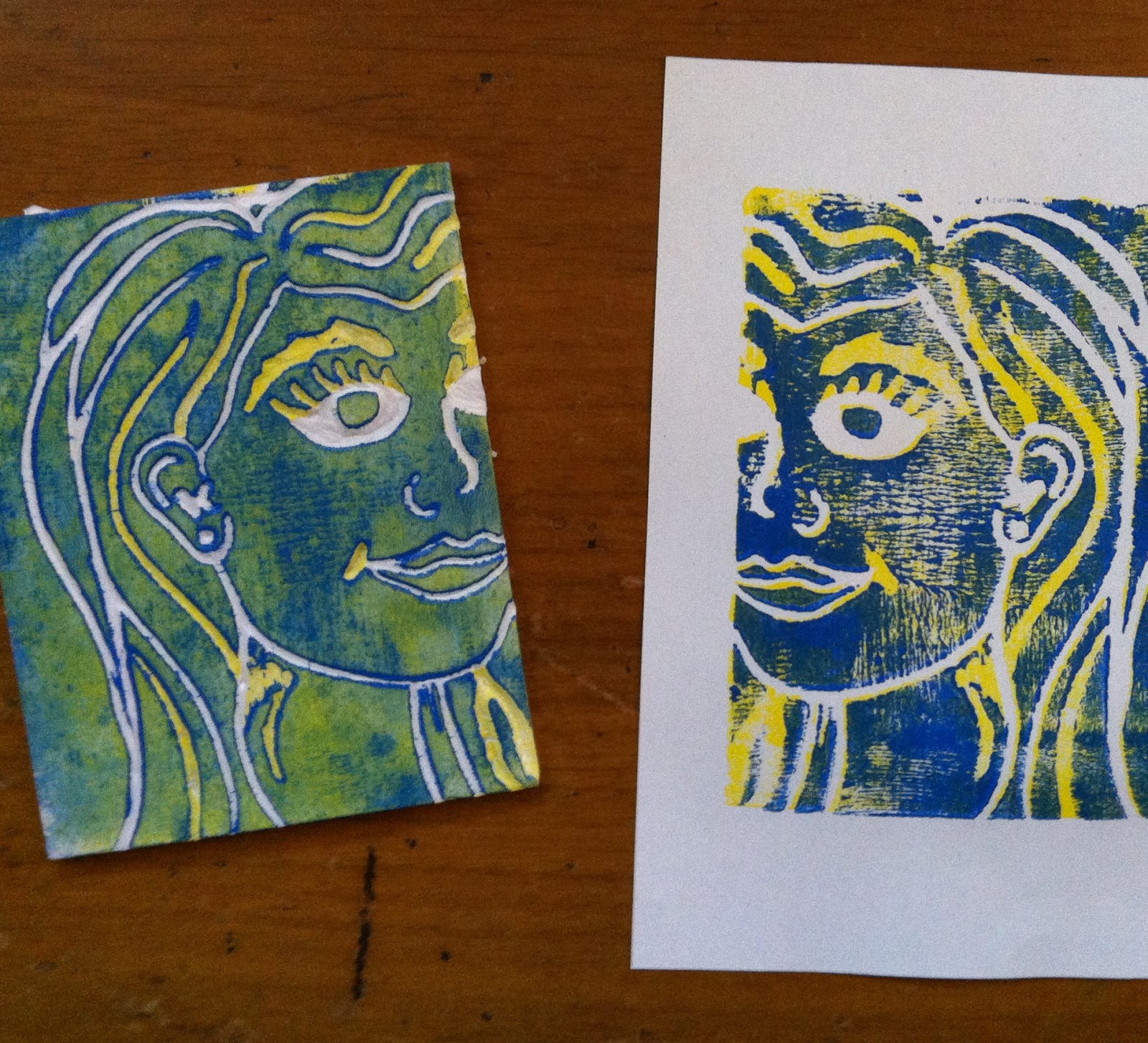
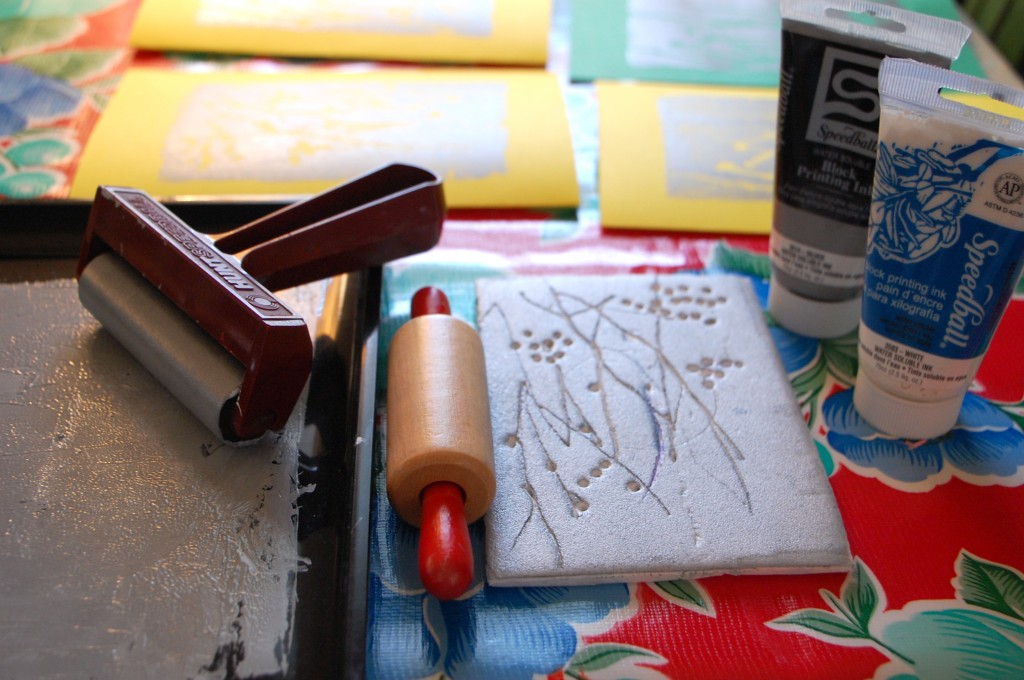
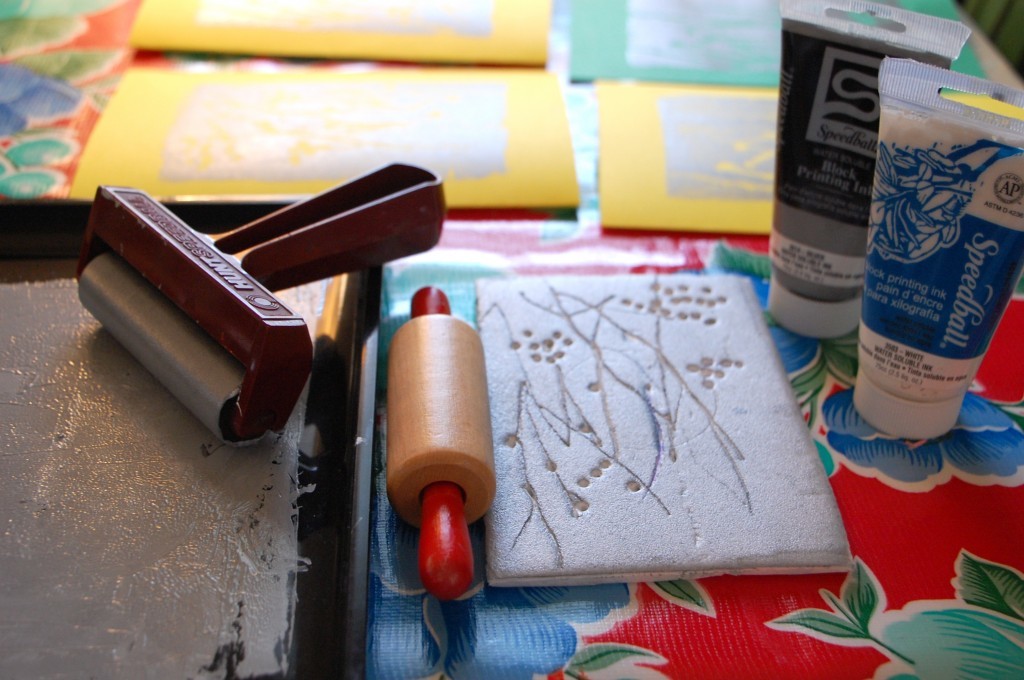
Styrofoam Printmaking!
Using something as ordinary as styrofoam can create intricate and layered images, simply by carving into it. Roll on paint and press! Layer designs and colors to create full-sized prints or even a set of cards.
Hope to see you there!
Images sourced from their respective linked-to sites. Copyright held by their respective owners and used as examples of the style of art being done in the studio
by Meg Neufeld | Jul 24, 2016 | Creative Arts Programs, Open Studio Sessions
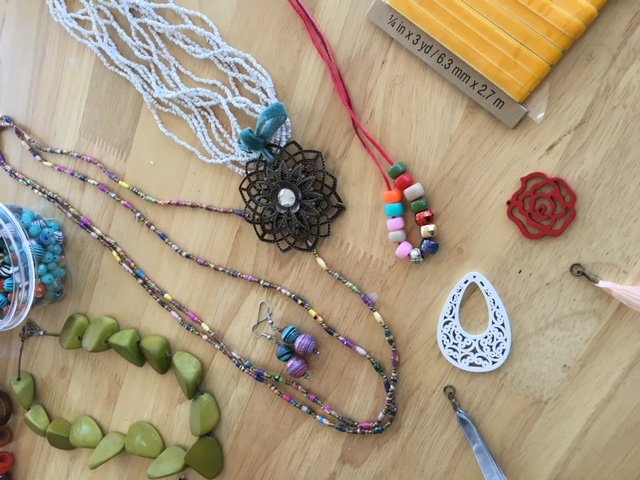
It’s all about the Beads!
In the studio this week, it’s all about BEADS! We will be learning about basic beading supplies, tools, and other ornament material you need to get yourself started. Beading techniques will be reviewed: how to string and secure beads, how to plan out patterns, how to create beads using paper and even how to design your very own printed pendants using air-drying clay and paint.
Come and make earrings, necklaces, and bracelets along with other beaded crafts such as bookmarks, sun catchers and meditation strands. Its fun and easy and perfect for any age and skill because with a few basic tools and a variety of beautiful beads you can make something special for someone else, or create something unique for yourself.

by Brenna Jacobson | Jul 20, 2016 | Counselling, Group Therapy, Therapeutic Yoga
Revolutionary Treatment for Trauma
Ongoing studies are being carried out in the field of women’s health, which is exciting. I am hopeful that the psychological community will continue to become more open and curious about this “new 2000 year old revolution,” as a positive addition to the traditional treatment for the broad spectrum of traumatic stress injuries. Many practitioners in the field of psychology are embracing Trauma Sensitive Yoga because they are witnessing its positive effect in the treatment of trauma. They see their clients re-connect their physical body to their mind and witness their patients’ previously blocked channels opening up due to Trauma Sensitive Yoga. Clients who were previously unable to articulate their traumatic experience can now do so, allowing the whole treatment process to move forward.
I am inspired and optimistic about the federal government’s involvement through its funding on research regarding the efficacy of Trauma Sensitive Yoga. One of the big obstacles in this process is the stigma around the word ‘Yoga’. In truth, Trauma Sensitive Yoga is the opposite of traditional yoga. The facilitator’s role is to guide the client. The client is in control, free to make his/her own choices every step of the way. It is not about when, but how. Over time through a process that combines yoga interaction, communication, and collaboration, the yoga facilitator and therapist lead the client to a place of inner strength. This all results from the individual’s work that she/he does on him/herself. This is not from what we do for them, but what they do for themselves. Our clients who have survived trauma learn that their body is not the enemy nor is their body at fault. First, they rediscover the body they may have become numb to. Then they befriend their body by learning how to self-regulate. At the end of it, clients rediscover their true self and their inner wisdom.
Clients First
The priorities for Trauma Sensitive Yoga facilitators include putting the client first, providing a safe environment, facilitating appropriate types of exercises (not poses), NOT assisting, teaching qualities, supportive language, and the client’s ability and freedom to make choices.
Yoga facilitator training focuses on working on oneself first – practicing the techniques on yourself, before trying to guide someone else. Empathy is when we come from a place of our own inner power and we can use that to focus on serving others. Yoga facilitators are known for doing this. By bringing into focus our own biases and stigmas, we arrive at a place where we have true empathy for the other person. Being around others that have been through a similar situation can be a life changing experience for trauma survivors. Human beings are complex creatures who find incredible comfort in not being alone. By connecting all the pieces, working as a team, and embracing the inner strength within each of us, we can pull through it. We invite our clients to play a key role in their own healing as this is the whole concept behind holistic healing.