
EFT, Gottman, and Couples Therapy: Understanding Connection, Emotion, and Relationship Cycles
Relationships matter. They give us a sense of purpose, belonging, and meaning in our lives. When our relationships are going well, they can positively influence our physiological, emotional, and social well-being. We may feel more secure, supported, seen, and heard.
When relationships become strained, however, we can experience hopelessness, feeling stuck, overwhelmed, or disconnected from one another. Couples therapy can provide an opportunity to slow things down, understand what is happening beneath the conflict, and develop new ways of connecting.
Two approaches that have significantly influenced couples therapy are Emotionally Focused Therapy (EFT), developed by Sue Johnson and colleagues, and the Gottman Method, developed by John and Julie Gottman. While they have different frameworks and terminology, both approaches emphasize connection, emotional responsiveness, and understanding the patterns that develop between partners.
Physiologically: Understanding Emotional Flooding
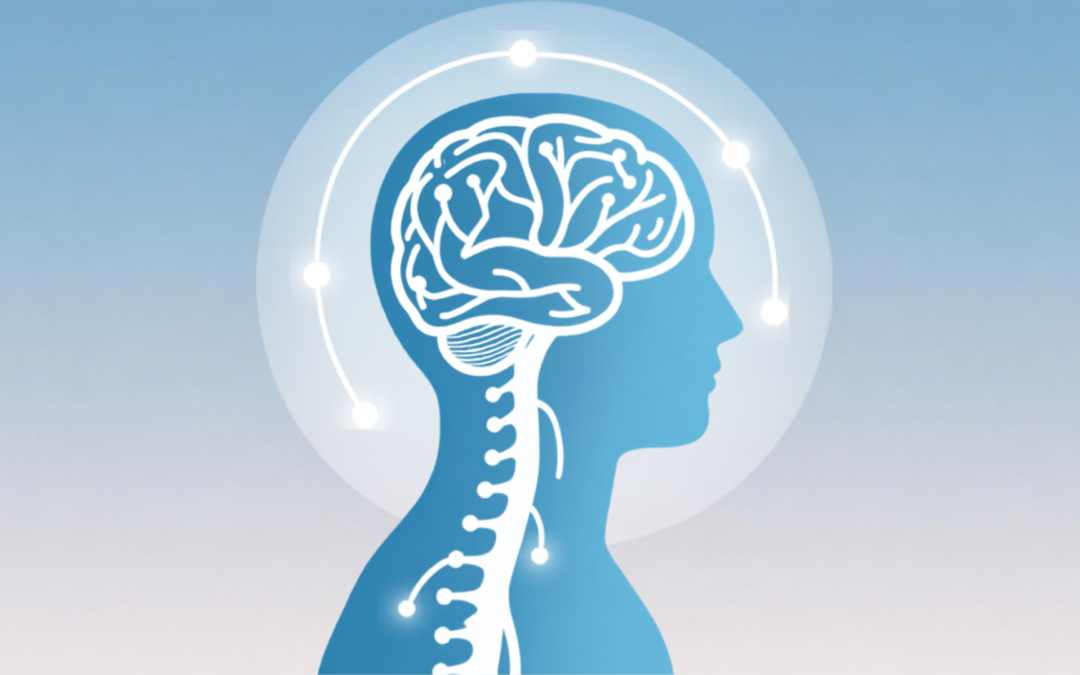
Relationship challenges can affect us physically as well as emotionally. Stress within a relationship may contribute to irritability, anxiety, difficulty concentrating, rumination, low mood, and feeling overwhelmed. When our nervous system becomes activated, it can become much harder to listen, communicate clearly, and remain connected to our partner.
The Gottmans describe one form of this intense physiological activation as emotional flooding. When someone becomes flooded, their body can enter a heightened state of arousal. Heart rate may increase, breathing can become more rapid, and it can become difficult to think clearly or remain receptive to what a partner is saying.
The Gottmans have highlighted heart rate and other physiological signs as useful indicators that someone may need a break from a difficult conversation. A heart rate around 90 beats per minute has been discussed in Gottman research as one indicator of flooding, but it is important not to treat 90 bpm as a universal clinical cutoff. People differ in their baseline heart rates and in how they experience physiological stress.
The more important skill is learning to notice when you are becoming flooded.
When this happens, it can be helpful to pause the conversation, take some time to breathe and self-soothe, and allow the nervous system to settle. Taking a break does not mean abandoning the conversation. In fact, it can be an important part of maintaining the relationship.
A helpful message might be:
“I am feeling overwhelmed right now. I care about this conversation, and I want to come back to it when I can be more present.”
This communicates both a need for space and a commitment to reconnect.
The goal is not to avoid difficult conversations. The goal is to create enough safety and regulation that both partners can remain engaged.
Emotionally: Looking Beneath the Conflict
In couples therapy, it is valuable to pay attention not only to what partners are saying but also to the emotions underneath their words and behaviours.
Emotionally Focused Therapy (EFT) places particular emphasis on helping couples identify and explore their emotional experiences and the deeper attachment needs or yearnings beneath them.
For example, a partner may say:
“You never listen to me.”
On the surface, this sounds like criticism. Beneath the criticism, however, there may be a deeper experience:
“I feel like I don’t matter to you, and I am scared that I am losing you.”
This is an important shift. Instead of focusing only on the criticism, couples can begin to explore the more vulnerable emotions and needs underneath it.
EFT often helps partners recognize emotions such as fear, sadness, shame, loneliness, and hurt. Anger can also be an important emotion in relationships. In many EFT formulations, anger can function as a secondary or protective emotion that develops in response to more vulnerable feelings such as fear, hurt, shame, or sadness. At the same time, anger can also arise directly from experiences of injustice, violation, or trauma, so it is important not to assume that every experience of anger has the same underlying emotion.
Learning to become curious about our emotions can help us understand what we are actually needing from our partner.
Instead of asking:
“Who is right?”
Couples can begin asking:
“What is happening between us?”
and
“What is each of us needing in this moment?”
This shift can create opportunities for greater empathy and emotional connection.
Socially: Looking at the Bigger Picture
Relationships do not exist in isolation. What happens in the outside world can have a significant impact on how partners relate to one another.
Work stress, parenting responsibilities, hobbies, community or service commitments, family dynamics, financial pressures, health challenges, friendships, and other life circumstances can all affect a couple’s ability to connect.
Sometimes what looks like a relationship problem is being intensified by the amount of stress each person is carrying.
Couples counselling can provide space to explore questions such as:
- What pressures are each of us experiencing outside the relationship?
- How are those pressures affecting our ability to connect?
- What support do we have from friends and family?
- Are we making enough time for our relationship?
- What activities help us experience joy and connection together?
Social support can be an important resource for couples. Healthy friendships and family relationships can provide encouragement, perspective, and opportunities for individual renewal.
It is also important for couples to make room for fun.
Relationships can easily become focused on responsibilities, conflict, finances, parenting, work, and everything that needs to get done. Spending time together doing something enjoyable can help couples remember that their relationship is more than the problems they are trying to solve.
Sometimes reconnecting starts with remembering what brought you together in the first place.
When Couples Get Caught in a Cycle
One of the central ideas in EFT is that couples can become caught in repetitive interactional cycles.
A disagreement may begin with one partner feeling disconnected and reaching out through criticism or protest. The other partner may experience this as criticism and respond by withdrawing or becoming defensive. The first partner then feels even more alone and reaches out more intensely. The second partner withdraws further.
Over time, this pattern can become familiar.
The important insight in EFT is that the cycle is the problem—not either partner.
Rather than asking, “Who started this?” couples can begin to recognize:
“This is the pattern we get caught in.”
Once couples can identify the cycle, they have an opportunity to slow it down and create a different response.
They can begin to notice:
- What happens just before the cycle starts?
- What emotions are underneath our reactions?
- What am I afraid might happen?
- What am I longing for from my partner?
- How does my response affect my partner?
- How might we respond differently next time?
Understanding the cycle can create space for new choices.
The Sound Relationship House
The Gottmans developed the Sound Relationship House, a framework for understanding and strengthening relationships.
The model takes a strengths-based approach. Rather than focusing exclusively on what is going wrong, it also asks couples to identify and build upon the things that are working.
Two particularly important pillars of the Sound Relationship House are Trust and Commitment.
Trust involves feeling that your partner is there for you, that they have your interests in mind, and that you can depend on them. Commitment involves choosing the relationship and maintaining a sense of “us,” including during difficult periods.
The Sound Relationship House also includes other relationship skills and processes that can help couples strengthen their friendship, manage conflict, support one another’s dreams, and create shared meaning.
This framework can give couples practical areas to focus on as they work toward a stronger relationship.
From Conflict to Connection
Both EFT and Gottman-informed couples therapy offer valuable ways of understanding relationship difficulties.
The Gottman approach provides couples with practical tools for strengthening friendship, managing conflict, reducing destructive patterns, and building trust and commitment.
EFT focuses strongly on emotional connection and attachment—helping partners understand the deeper emotions, fears, and longings that often drive their interactions.
Although the language and frameworks differ, both approaches encourage couples to move beyond simply trying to “win” an argument.
The deeper question becomes:
How can we understand each other and create a relationship where both partners feel safe, valued, and connected?
Recommended Reading
As a starting point, couples may find it helpful to read or listen to a relationship book together. There are many resources available, but these two are well-known, research-informed approaches to couples work and offer practical exercises as well.
- The Seven Principles for Making Marriage Work— John Gottman
This book introduces the Gottmans’ research and provides practical strategies for strengthening friendship, managing conflict, and improving connection.
- Hold Me Tight— Sue Johnson
This book introduces the EFT approach and helps couples understand their emotional patterns, attachment needs, and the cycles that can create disconnection.
Both books also have workbook-style resources that couples may find useful for putting the ideas into practice.
A Final Thought
Working on a relationship can be beneficial for our overall well-being. When we invest in our relationships, we are also investing in an important part of our emotional and social health.
Couples therapy is not about creating a perfect relationship. Every couple experiences conflict, misunderstanding, and periods of disconnection. The goal is to develop greater awareness of the patterns that emerge between partners and learn how to repair, reconnect, and respond differently.
Sometimes the most meaningful change begins with something simple: slowing down enough to become curious about what is happening inside ourselves and our partner.
What if the conflict isn’t the enemy? What if it is an invitation to understand one another more deeply?
An Important Note About Safety
While couples counselling can be helpful for many relationship challenges, it is not appropriate for every situation. In relationships involving ongoing intimate-partner violence, coercive control, or other forms of abuse, joint couples counselling may not be a safe or suitable approach.
In these circumstances, individual support and specialized services may be more appropriate. Safety should always be the priority.