
by Matt Hislop | Aug 25, 2026 | Anxiety, Communication, Connection, Counselling, Curiosity, Emotional, Encouragement, Family, Forgive, Forgiveness, Guidance, Health, In The Community, Mental Health, Mindfulness, Motivation, Reflection, Relationship, Relationships, Resources, Safety, Self Confidence, Stress, Therapy |
Relationships matter. They give us a sense of purpose, belonging, and meaning in our lives. When our relationships are going well, they can positively influence our physiological, emotional, and social well-being. We may feel more secure, supported, seen, and heard.
When relationships become strained, however, we can experience hopelessness, feeling stuck, overwhelmed, or disconnected from one another. Couples therapy can provide an opportunity to slow things down, understand what is happening beneath the conflict, and develop new ways of connecting.
Two approaches that have significantly influenced couples therapy are Emotionally Focused Therapy (EFT), developed by Sue Johnson and colleagues, and the Gottman Method, developed by John and Julie Gottman. While they have different frameworks and terminology, both approaches emphasize connection, emotional responsiveness, and understanding the patterns that develop between partners.
Physiologically: Understanding Emotional Flooding
Relationship challenges can affect us physically as well as emotionally. Stress within a relationship may contribute to irritability, anxiety, difficulty concentrating, rumination, low mood, and feeling overwhelmed. When our nervous system becomes activated, it can become much harder to listen, communicate clearly, and remain connected to our partner.
The Gottmans describe one form of this intense physiological activation as emotional flooding. When someone becomes flooded, their body can enter a heightened state of arousal. Heart rate may increase, breathing can become more rapid, and it can become difficult to think clearly or remain receptive to what a partner is saying.
The Gottmans have highlighted heart rate and other physiological signs as useful indicators that someone may need a break from a difficult conversation. A heart rate around 90 beats per minute has been discussed in Gottman research as one indicator of flooding, but it is important not to treat 90 bpm as a universal clinical cutoff. People differ in their baseline heart rates and in how they experience physiological stress.
The more important skill is learning to notice when you are becoming flooded.
When this happens, it can be helpful to pause the conversation, take some time to breathe and self-soothe, and allow the nervous system to settle. Taking a break does not mean abandoning the conversation. In fact, it can be an important part of maintaining the relationship.
A helpful message might be:
“I am feeling overwhelmed right now. I care about this conversation, and I want to come back to it when I can be more present.”
This communicates both a need for space and a commitment to reconnect.
The goal is not to avoid difficult conversations. The goal is to create enough safety and regulation that both partners can remain engaged.
Emotionally: Looking Beneath the Conflict
In couples therapy, it is valuable to pay attention not only to what partners are saying but also to the emotions underneath their words and behaviours.
Emotionally Focused Therapy (EFT) places particular emphasis on helping couples identify and explore their emotional experiences and the deeper attachment needs or yearnings beneath them.
For example, a partner may say:
“You never listen to me.”
On the surface, this sounds like criticism. Beneath the criticism, however, there may be a deeper experience:
“I feel like I don’t matter to you, and I am scared that I am losing you.”
This is an important shift. Instead of focusing only on the criticism, couples can begin to explore the more vulnerable emotions and needs underneath it.
EFT often helps partners recognize emotions such as fear, sadness, shame, loneliness, and hurt. Anger can also be an important emotion in relationships. In many EFT formulations, anger can function as a secondary or protective emotion that develops in response to more vulnerable feelings such as fear, hurt, shame, or sadness. At the same time, anger can also arise directly from experiences of injustice, violation, or trauma, so it is important not to assume that every experience of anger has the same underlying emotion.
Learning to become curious about our emotions can help us understand what we are actually needing from our partner.
Instead of asking:
“Who is right?”
Couples can begin asking:
“What is happening between us?”
and
“What is each of us needing in this moment?”
This shift can create opportunities for greater empathy and emotional connection.
Socially: Looking at the Bigger Picture
Relationships do not exist in isolation. What happens in the outside world can have a significant impact on how partners relate to one another.
Work stress, parenting responsibilities, hobbies, community or service commitments, family dynamics, financial pressures, health challenges, friendships, and other life circumstances can all affect a couple’s ability to connect.
Sometimes what looks like a relationship problem is being intensified by the amount of stress each person is carrying.
Couples counselling can provide space to explore questions such as:
- What pressures are each of us experiencing outside the relationship?
- How are those pressures affecting our ability to connect?
- What support do we have from friends and family?
- Are we making enough time for our relationship?
- What activities help us experience joy and connection together?
Social support can be an important resource for couples. Healthy friendships and family relationships can provide encouragement, perspective, and opportunities for individual renewal.
It is also important for couples to make room for fun.
Relationships can easily become focused on responsibilities, conflict, finances, parenting, work, and everything that needs to get done. Spending time together doing something enjoyable can help couples remember that their relationship is more than the problems they are trying to solve.
Sometimes reconnecting starts with remembering what brought you together in the first place.
When Couples Get Caught in a Cycle
One of the central ideas in EFT is that couples can become caught in repetitive interactional cycles.
A disagreement may begin with one partner feeling disconnected and reaching out through criticism or protest. The other partner may experience this as criticism and respond by withdrawing or becoming defensive. The first partner then feels even more alone and reaches out more intensely. The second partner withdraws further.
Over time, this pattern can become familiar.
The important insight in EFT is that the cycle is the problem—not either partner.
Rather than asking, “Who started this?” couples can begin to recognize:
“This is the pattern we get caught in.”
Once couples can identify the cycle, they have an opportunity to slow it down and create a different response.
They can begin to notice:
- What happens just before the cycle starts?
- What emotions are underneath our reactions?
- What am I afraid might happen?
- What am I longing for from my partner?
- How does my response affect my partner?
- How might we respond differently next time?
Understanding the cycle can create space for new choices.
The Sound Relationship House
The Gottmans developed the Sound Relationship House, a framework for understanding and strengthening relationships.
The model takes a strengths-based approach. Rather than focusing exclusively on what is going wrong, it also asks couples to identify and build upon the things that are working.
Two particularly important pillars of the Sound Relationship House are Trust and Commitment.
Trust involves feeling that your partner is there for you, that they have your interests in mind, and that you can depend on them. Commitment involves choosing the relationship and maintaining a sense of “us,” including during difficult periods.
The Sound Relationship House also includes other relationship skills and processes that can help couples strengthen their friendship, manage conflict, support one another’s dreams, and create shared meaning.
This framework can give couples practical areas to focus on as they work toward a stronger relationship.
From Conflict to Connection
Both EFT and Gottman-informed couples therapy offer valuable ways of understanding relationship difficulties.
The Gottman approach provides couples with practical tools for strengthening friendship, managing conflict, reducing destructive patterns, and building trust and commitment.
EFT focuses strongly on emotional connection and attachment—helping partners understand the deeper emotions, fears, and longings that often drive their interactions.
Although the language and frameworks differ, both approaches encourage couples to move beyond simply trying to “win” an argument.
The deeper question becomes:
How can we understand each other and create a relationship where both partners feel safe, valued, and connected?
Recommended Reading
As a starting point, couples may find it helpful to read or listen to a relationship book together. There are many resources available, but these two are well-known, research-informed approaches to couples work and offer practical exercises as well.
- The Seven Principles for Making Marriage Work— John Gottman
This book introduces the Gottmans’ research and provides practical strategies for strengthening friendship, managing conflict, and improving connection.
- Hold Me Tight— Sue Johnson
This book introduces the EFT approach and helps couples understand their emotional patterns, attachment needs, and the cycles that can create disconnection.
Both books also have workbook-style resources that couples may find useful for putting the ideas into practice.
A Final Thought
Working on a relationship can be beneficial for our overall well-being. When we invest in our relationships, we are also investing in an important part of our emotional and social health.
Couples therapy is not about creating a perfect relationship. Every couple experiences conflict, misunderstanding, and periods of disconnection. The goal is to develop greater awareness of the patterns that emerge between partners and learn how to repair, reconnect, and respond differently.
Sometimes the most meaningful change begins with something simple: slowing down enough to become curious about what is happening inside ourselves and our partner.
What if the conflict isn’t the enemy? What if it is an invitation to understand one another more deeply?
An Important Note About Safety
While couples counselling can be helpful for many relationship challenges, it is not appropriate for every situation. In relationships involving ongoing intimate-partner violence, coercive control, or other forms of abuse, joint couples counselling may not be a safe or suitable approach.
In these circumstances, individual support and specialized services may be more appropriate. Safety should always be the priority.
by Leah Jivan | Jul 28, 2026 | Anxiety, Communication, Curiosity, Depression, Emotional, Guidance, Health, Mental Health, Mindfulness, Reflection, Relationships, Self Care, Stress, Therapy |
Have you noticed why on some days you can handle stressors with ease while on other days, similar situations leave you feeling overwhelmed? Well, if you have, you are most definitely not alone.
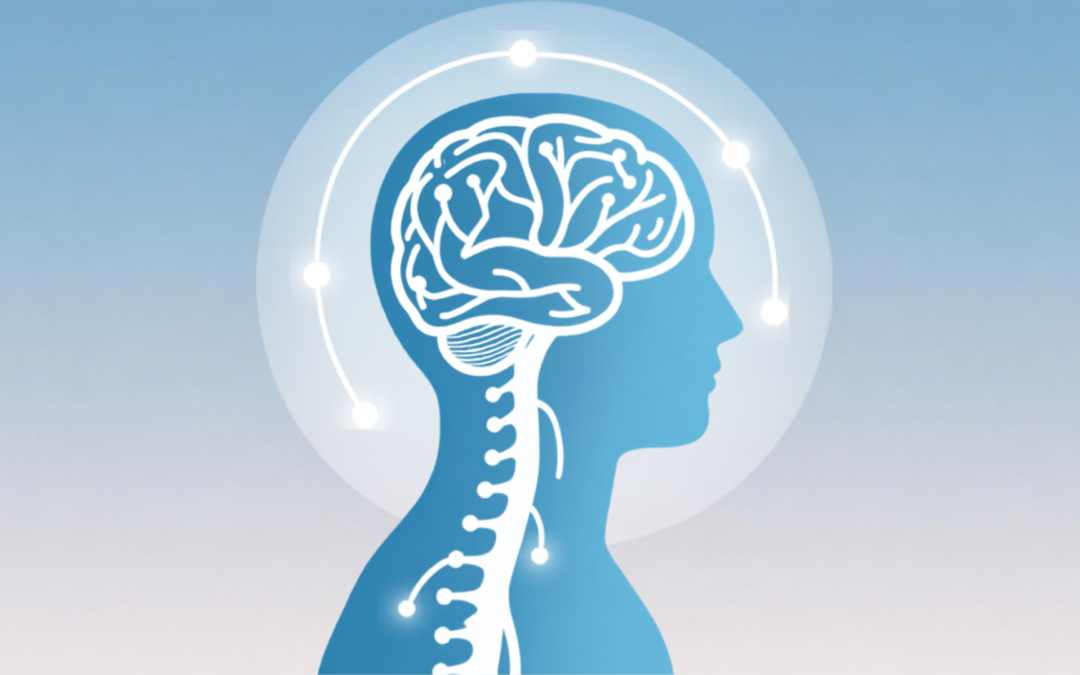
In this post, we’ll explore how your nervous system works and introduce the Window of Tolerance. We will also take a look at what happens when stressors push you beyond this window into a state of hyperarousal or hypoarousal.
So what is the Window of Tolerance and how does it work?
The window of tolerance refers to the optimal state in which our nervous system is able to effectively respond to stressors, challenges or uncertainties (Neff, 2023). When we are in this window, we are more likely to feel engaged, curious, grounded and calm (Neff, 2023). Our nervous system helps us adjust to our surroundings through two processes: the sympathetic nervous system which increases activation and energy, otherwise known as the “fight or flight” response and the parasympathetic nervous system which reinforces rest, otherwise known as the “rest and digest” response.
It is important to note that the sympathetic and parasympathetic nervous systems work conjointly to respond to everyday stressors and challenges.
Dr. Megan Anna Neff shares an important metaphor of a gas and brake pedal of a car, acting as the sympathetic and parasympathetic process working together (Neff, 2023). Moreover, she notes that such fluctuations between both processes are necessary as she speaks about an activation of the sympathetic nervous system when faced with a stressor or engagement of the parasympathetic nervous system when we are going to sleep (Neff, 2023).
Now you may be asking yourself, what happens when we leave our window of tolerance?
The body goes into one of two states. In the hyperarousal state, the sympathetic nervous system predominates, and our body becomes mobilized for action (Neff, 2023). Some common signs our body is entering a hyperarousal state include panic, fear, a racing heart, heightened awareness or aggression (Neff, 2023).
In a hyperarousal state, the body needs regulation which can look like:
- Mindfulness and breathing exercises which can help regulate our nervous system and ease or reduce heightened levels of alertness by signaling a sense of safety to our body (Marks, 2022)
The other way our nervous system may respond to stress is by entering a state of hypoarousal. In this state, the body goes through decreased nervous system activity and can lead to shut down or withdrawal due to overwhelm (Neff, 2023). In this state, we may be feeling numb, disconnected, fatigued and dissociated (Neff, 2023).
In a hypoarousal state, we want to stimulate gentle activation which can be done through:
- Grounding exercises that engage the five senses (sight, hear, smell, taste and touch) (Marks, 2022)
- Temperature exposure, specifically cold temperatures by splashing ice cold water on the face which activates the sympathetic nervous system
- Physical movement can increase heart rate and therefore, increase energy levels
Tying this all back to the beginning of the post, why does it feel like we can overcome stressors with more ease and confidence on some days and not others?
Well, there’s a range of factors that can impact how narrow or wide our window of tolerance is. This can include:
- Previous traumatic events
This can even come down to everyday differences. In Dialectical Behaviour Therapy, Marsha Linehan speaks on vulnerability factors which she described as the factors and history that made one vulnerable leading up an event (Linehan, 2015). I’ve listed a few factors below, but I encourage you to think about factors that are potentially impacting how you show up everyday which can be affecting the width of your window of tolerance. Here are a few to get us start thinking about vulnerability factors:
- Ongoing stress in multiple realms of our life (e.g., school, work, interpersonal relationships, career, financial situation, health, etc.)
- Life transitions (e.g., new career, relocating, taking on new roles such as parenting)
If you can take one piece away from this post, I want to remind you that it is natural for one’s nervous system to shift and change throughout the day. I encourage you to practice recognizing patterns or signs when you feel your body has moved beyond our window of tolerance into either hyperarousal or hypoarousal.
Neff (2023) suggests a practice called nervous system mapping in which we can set some time, once or twice a day to scan our body and note how we are feeling. Moreover, she notes that just paying attention to a racing heart rate or tension in our body can point towards hyperarousal or fatigue can point towards hypoarousal (Neff, 2023). Paying attention to what our body is telling us is crucial and necessary in order to engage in the skills to regulate us back to our optimal zone and effectively manage daily stressors.
Understanding your nervous system is an important step toward understanding yourself and how your body responds to stress. We are here to help you along the way. Contact Us if you’d like to speak with one of our counsellors.
References:
1 Marks, T. [Dr. Tracey Marks] (2022, May 4). Window of tolerance: what is it and how to stay in it [Video]. Youtube. https://www.youtube.com/watch?v=VD8hhboXYTI
2 Neff, M. A. (2023, January 8). The window of tolerance: how to build emotional resilience and regulation. Neurodivergent insights. https://neurodivergentinsights.com/window-of-tolerance/?srsltid=AfmBOopUSbQ677ejHjiAB7rqVG636K66QGOyoV67ozOyqlsxWa8duLYa
3 Linehan, M. M. (2015). DBT Skills Training Handouts and Worksheets (2nd ed.). The Guilford Press.

by Aina Cagigos Martin | May 8, 2026 | Anxiety, Depression, Health, Mental Health, Relationships, Therapy
Depression and anxiety can change how you experience sexual intimacy. The low mood, loss of pleasure, and fatigue that come with depression in your daily life can also affect your sex drive, and end up bleeding into the bedroom. This is not uncommon among people with depression or anxiety: a 2022 systematic review and meta-analysis of people with Major Depressive Disorder not on medication found sexual dysfunction in 83% of women and 63% of men.
Sexual difficulties don’t mean you’re broken; it just means that your body and your mind are at capacity, and that is something your therapist can help you with.
How do depression and anxiety affect sexual drive?
Depression and anxiety can both get in the way of intimacy, but they do it differently.
In depression, you might feel like things you used to enjoy don’t feel as good anymore. This is a core symptom of depression that can extend to your sexual life. That’s because depression also comes with changes to your brain and the way it’s connected. The signals between the parts of your brain that handle desire, pleasure, and arousal can get disrupted. What’s more, depression can involve fatigue, changes in your sleep and appetite and sometimes a negative view of yourself, which can also affect intimacy.
Anxiety on the other hand activates your nervous system, your fight or flight mode, and gets your adrenaline pumping to face threats. A little activation can be neutral or even helpful during sex (Bradford & Meston, 2006), but elevated or chronic anxiety keeps your body locked in that state, which is the opposite of the relaxed state needed for arousal.
You might also feel like you can’t focus during sex, like your brain is everywhere. That’s because anxiety comes with worries, and a worried mind can’t stay present with sensations. Your attention might be pulled in many directions, such as self-monitoring, performance, thoughts about body image, or even finances and health. Your brain is too busy to stop and focus on intimacy, and everyday anxiety often morphs into anxiety about how things are going during sex itself.
Finally, antidepressant medication such as SSRIs (Selective Serotonin Reuptake Inhibitors) and SNRIs (Selective Norepinephrine Reuptake Inhibitors) can cause sexual side effects in 58-73% of people taking them. This further complicates the situation: is it the depression, anxiety, the medication or all of it? That would be the kind of question to bring up with your prescriber or therapist.
Should sexual health be part of my therapy?
Mental health difficulties and sexual difficulties affect each other. If you’re depressed, you may be more likely to develop sexual difficulties. And if you have sexual difficulties, you may be more likely to develop depression.
Even so, not all therapists routinely ask about sexual functioning. Many wait to be sure the client wants to talk about it, while clients often wait for the therapist to bring it up, creating an accidental mutual avoidance. But sexual well-being genuinely matters. The research shows that sexual quality of life is linked to overall quality of life and relationship satisfaction. And when it isn’t addressed, it can worsen the very thing you came to therapy for.
How do I bring it up in therapy?
Bringing this up can be hard, especially if it isn’t something you’ve talked about before. But a few things can make it easier:
- Naming the awkwardness is allowed. You can name how you feel about bringing up a topic, be it awkwardness, stress, shame, or guilt. Something as simple as “I’m not sure how to talk about this” is a good way in.
- Naming it once is the hard part. Once you’ve said it out loud once, the topic is in the room, and it gets easier from there.
- Being specific helps. Telling your therapist that something’s off with your sex drive is a good start but they may need more information. The better your therapist knows your problem, the better they can help. That might mean naming what’s changed, when it started, or whether it lined up with starting medication.
- Referral isn’t a rejection. If your therapist thinks this topic would be better handled by someone with specific training in sexual health, that’s not a rejection but a commitment to getting you the right care.
Therapy is your space to bring up anything you feel you need to work on. Talking about sexual difficulties may not be common in your day-to-day life, but it is an important part of your life and is completely normal to bring up in a therapeutic setting.
Not sure where to start? Connect with us today, we’re here for you.

by Rachelle Kostelyk Pals | Mar 2, 2026 | Communication, Connection, Relationships
We often think that validating someone means we must agree with them. The good news for relationships is that this isn’t true! Validation is about acknowledging and understanding someone’s emotional experience, while agreement is about sharing the same opinion or belief. Learning the difference can be transformative and creates space for both connection and authenticity in relationships.
In counselling sessions, one of the most common relational misunderstandings sounds like this: “If I validate them, it means I’m saying they’re right.”
This belief quietly fuels defensiveness, conflict, and emotional distance. But the truth is that validation is not the same as agreement. Understanding that difference can dramatically change your relationships — with your partner, your child, your friend, and even yourself.
What Is Validation?
Validation means acknowledging and accepting that someone’s internal experience makes sense from their perspective.
It sounds like:
- “I can see why you’d feel that way.”
- “That must have been really frustrating.”
- “It makes sense that you’re hurt.”
Nowhere are you saying, “You’re right.” Instead, you’re acknowledging, “Your feelings make sense.”
What Is Agreement?
Agreement is endorsing someone’s position, belief, or interpretation. It’s sharing ideological alignment.
It sounds like:
- “Yes, you’re right.”
- “I think they were totally wrong.”
- “I agree with your perspective.”
Why People Confuse the Two
When emotions run high, and our nervous system is activated, our brains switch into protection (fight or flight) mode. If someone is upset with us, we often assume:
- “If I validate them, I’m admitting guilt.”
- “If I validate them, I lose.”
- “If I validate them, my side doesn’t matter.”
However, validation doesn’t erase your experience. It simply acknowledges theirs. In fact, refusing to validate often escalates conflict — not because you disagree, but because the other person feels unseen.
Why Validation Changes Relationships
Neurologically, when someone feels heard and understood, their nervous system settles. Defensiveness lowers. Problem-solving becomes possible.
Without validation:
- The conversation stays stuck.
- Both people repeat themselves.
- Emotions intensify.
With validation:
- Emotional intensity decreases.
- People soften.
- Connection increases.
Validation creates safety — and safety is the foundation of healthy relationships.
A Real-Life Example
Imagine your partner says, “you never listen to me”.
You don’t agree — you feel like you do listen.
A defensive response: “that’s not true, I listen all the time”.
A validating response: “It sounds like you’ve been feeling unheard lately”.
You’re not agreeing that you never listen. You’re acknowledging their emotional experience.
That small shift can completely change the tone of the interaction.
Validation in Parenting
If a child says, “that’s not fair!”, you don’t have to agree that their situation is, in fact, unfair to choose to validate them. You can say, “It feels unfair to you right now, and I get that”.”
Contrary to what we might believe, children who feel validated learn emotional regulation. Children who feel dismissed learn to escalate emotionally, to amplify their voice to be heard and understood. It makes sense.
Validation and Boundaries Can Coexist
An important reminder is that validation does not mean tolerating harmful behaviour. You can say, “I understand that you’re angry. It makes sense. And I’m not okay with being yelled at.”
That’s validation, plus a boundary and strong relationships require both.
The Most Overlooked Place We Need Validation is From Ourselves
It’s easy invalidate our own emotions:
- “I shouldn’t feel this way.”
- “I’m overreacting.”
- “It’s not a big deal.”
Self-validation sounds like:
- “Of course this is hard.”
- “It makes sense that I’m feeling overwhelmed.”
- “Anyone in this situation might feel this way.”
Self-validation reduces shame — and shame creates a barrier to emotional health.
The Takeaway
Validation says, “Your feelings make sense”. Agreement says, “Your conclusion about this situation is correct and I agree with how you see it”. You can validate without agreeing. You can validate and still hold your perspective. You can validate and maintain boundaries. And when you do, relationships shift from power struggles to understanding, connection, and trust.
In counselling, we often see that people don’t need to win an argument — they need to feel seen. Learning the difference between validation and agreement may be one of the simplest — and most powerful — relational skills you can practice.
Need help with practicing this your relationship? We’re here to help. Connect with us today.

by Andrew Neufeld | Jun 4, 2020 | Connection, Counselling, Racism, Relationships, Stress, Trauma
Yesterday, I took the day off from work. Originally it was scheduled so that I could take my wife to another of her recurrent surgeries for her chronic pain, which thanks to COVID-19, has been cancelled indefinitely. It happened to line up nicely, however, with cabinet install day for our home renovation that is thankfully heading ever so much closer to the finish line. It also coincided with a need that I’ve identified lately – that is, a need for rest. What I didn’t expect is to be spending most of the day feeling sad. For a while, I didn’t know why I was feeling this way, until the question loomed in my mind, “How do I respond to racism?”
You see, I’m one of the ones who is, on most given days, gleefully ignorant about racism. It’s not that I am not aware of it, because I am aware because on different parts of the world I’ve lived in, different ethnic groups I’ve worked with, clients I’ve seen, etc. It is, however, because on any given day, I am not personally subjected to it. In fact, it’s been exceedingly absent in my life. While I was pondering this question about how do I respond to racism all day yesterday, I realized that I can only think of one time in my life where I was keenly aware that I was being treated poorly because of my race. The details of the situation aren’t important here I don’t think, and likely wouldn’t spark any sort of helpful conversation, but it does highlight that in 39 years I can only think of one time where I was very aware of being discriminated against based on my race.
This doesn’t mean that I haven’t been aware of being treated differently, because I have been while travelling. While I would suggest that it’s still not okay, it’s normal, in my experience, to be seen as other when you’re in another country, and even hearing words like gringo if you happen to be white. Or, if you’re living in Ukraine and your friend is from Korea, it’s not uncommon for kids to stop dead in their tracks and stare simply because they’ve never seen an Asian person before.
There’s a massive difference, however, in the experiences I’ve had versus those from whom we’ve all been hearing from in the past few days through the Black Lives Matter movement and protests, and the devastating events around the death of George Floyd. In all of my 39 years, I can only recall one instance where I felt unsafe or threatened as a result of my treatment based on my race.
This is in contrast to some who can’t go 39 days, or 39 minutes, or perhaps 39 seconds between experiences that make them feel unsafe, threatened, or less than.
This makes me sad.
It makes me feel a whole lot of other things, including mad, confused, angry, frustrated, scared, and more. But, if I give myself the time to actually sit with the emotions and discern what I’m feeling, the core of it is sadness.
I’m sad because although I do my very best to honour everyone, regardless of race, colour, creed, ethnicity, or otherwise, I know that at some point I have unwittingly made someone feel this way myself.
I’m sad, because a part of my heritage story is related to culture – my family came to Canada in the early 1900’s because they were literally being killed off for being who they were, and coming to Canada saved their lives. And we still have the same problems over 100 years later.
I’m sad because although my wife and I do our best to raise our girls to love and respect everyone they meet, from all races and creeds and backgrounds, they too will struggle to follow through and will make mistakes, and this will inflict further pain even into the next generation.
We come from privilege. We are white, middle-class, and I am male. This carries a privilege that I am becoming more and more aware of. It carries a responsibility to realize this, and understand this, and do better in our actions as we move forward.
Now, some of you may have just cringed at that last paragraph. Some of you may feel that what I’m saying means that those of us who come from privilege need to be sorry for, repentant of, or similar for the fact that we are white, grew up reasonably well off, and may be male.
That’s not at all what I’m saying, and that’s not at all what privilege means. It simply means that we have some advantages in life that others do not, simply by being born into what we’re born into. With that carries a responsibility to be aware of this, and use this privilege to care for others.
It also doesn’t mean we didn’t work hard to get what we have, to do what we do, and that we shouldn’t appreciate it, and enjoy it. It simply means that if we didn’t have the privilege we do, it likely would have been harder for us to have the same successes in life.
How Do I Respond To Racism?
Herein lies the problem. I am by no means an expert on race relations, cultural history, sociology, or otherwise. I don’t have any perfect answers to this, or even particularly qualified ones. Instead, here are some thoughts I’ve had over the past few days that hopefully might be helpful to us all as we wrestle with this issue of racism that I don’t believe is going to go away anytime soon. How do we respond? What do we need right now to make changes?
We Need Grace
Nothing highlights the need for grace more to me right now than writing this article. I know that it is nowhere near perfect, and doesn’t come up with any astounding answers to any of the massive, looming questions many of us have. I know I’ve made mistakes in this article in my own ignorance.
This highlights our need for grace as we navigate this challenging issue, in a challenging time. While this article isn’t authoritative, or perfect, it is honest.
This are simply my honest wrestling with an issue I don’t know enough about. It is the start of an attempt to lend help, even in my own imperfection, with initial thoughts on a complex issue.
I ask for your grace as you read this, and I would ask for grace for us all, from those who are subjected to racism on a daily basis. You don’t deserve this treatment, and we don’t deserve your grace – but, if you can muster some grace for us while we try to change our understanding and our behaviour, we will all hopefully win in the end.
With grace, we can have hope for a different future, one that honours everyone, from all races and cultural backgrounds. A future that holds promise for us all.
We need to feel sad
Understandably, there is a lot of anger right now over the state of race relations, and particularly over the death of George Floyd. And, there should be anger over what happened to Mr. Floyd, and what has happened to far too many people over the years who have been subjected to similar treatment.
In my area of expertise, psychology, we understand generally that anger is a basic emotion (one of the 6 basic emotions according to the Gottman Institute). Anger, however, is often a secondary emotion – based on underlying emotions that aren’t expressed.
One of the most common source emotions for anger that I see, particularly in men, is sadness. I know for myself, I am far more likely to express anger than I am sadness. It’s not particularly socially acceptable in North America for men to express sadness, but it is much more socially acceptable (if only for being more common) to be angry.
The problem is that very few productive conversations happen through anger and the expression of anger. It doesn’t mean it’s not valid, it just isn’t as effective in communication. If someone is angry with us, our back usually goes up and we become defensive. Very rarely is our response to ask something like, “Can you help me understand why you’re angry, please tell me more.” Instead, our fundamental biology kicks in through our limbic system and we go to defensive mode, and most likely, enter into our fight-or-flight stance (or freeze for that matter).
What happens, then, if we embrace the underlying sadness? I’d suggest it instructs us better (I can easily describe right now why I’m so sad about all of this versus if you asked me in the angry moments to describe why I’m angry), and it’s more effective in communication. If someone tells us they’re sad, we’re far more likely to respond in curiosity and kindness wanting to know more, simply because our limbic system isn’t firing.
“Anger is valid and ok, but we shouldn’t gloss over the underlying sadness.”
We need to educate ourselves
This may seem blatantly obvious, but it’s still the truth. We are woefully uneducated as a whole about racism, no matter what our background is. This is where I will plead ignorance regarding resources because I’m at the stage of doing my best to find out what some of the most helpful resources are.
There are two main reasons that we need to educate ourselves: to understand, and to reduce pain.
While I am early on in my journey toward education on this subject, I did come across this article that lists a number of resources that I have seen posted many, many times and seem to be helpful. Our very own Rebecca Farnell posted the book, Me and White Supremacy: Combat Racism, Change the World, and Become a Good Ancestor on her Instagram feed and it seems like it would be a good resource for those of us wanting to learn more. I am continuing to look to find resources that are suggested by people who know far more about this than I do. I’ll update this post as I find more resources as I hope it will be helpful to others.
The second reason we need to educate ourselves is because when it comes to pain, the inevitable result of racism, current pain science research shows that it is one of the greatest modifiers of the pain we experience.
Since I do have a particular interest in chronic pain and the psychological management of pain, I was reading The Explain Pain Handbook: Protectometer yesterday to try to find some resources for a client. In this book they explain that in terms of physical pain, embracing bioplasticity and education about pain can adapt the body to reduce pain and disability and increase life satisfaction (p.30). They also state that bioplasticity is based on the research on neuroplasticity which is the research showing that our brain is able to change over time, no matter our age.
What we do know, is that physical pain and emotional pain act the same way in the brain, and hit the same receptors. We have documented data on the effects of traumatic stress on the brain. It seems to me that if education can reduce our physical pain, it should help our emotional pain. If we know what is happening, we can respond differently, and this can change the impact on our neurobiology.
We need to connect
More than ever, we need to connect around this issue. We need to learn together, do better together, change together. I’m convinced that the solution to our problem with racism lies in human connection. It’s going to be a long road, but connection is where we start.
If we connect, we can learn from those who are hurting and change our behaviour. If we connect, those who are hurting can understand the perspective of the perpetrators and what they are trying to do to change, thus reducing their pain. Note well, this is not to excuse the perpetration, it is to understand one another’s positions and the efforts being made to change for the better, and to reduce pain in the meantime.
If we connect, we can reduce pain. I remember a study that Sue Johnson mentioned once (and I’m actively trying to find the study), where subjects participated in a random controlled trial on secure relationships and pain response. From memory, they had three conditions:
- Subject enters the room, is shocked with electricity, and their pain response is measured.
- Subject enters the room, a random person is also sitting in the room, and the subject is shocked with electricity and their pain response is measured.
- Subject enters the room, another person they have a safe, secure relationship with is also in the room, and the subject is shocked with electricity and their pain response is measured.
In that third condition, the study found that they could get the pain response down to almost zero. Let’s remember, the other person in the room did nothing other than sit in the room with them.
This is how powerful safe, secure human connection is. If we can find ways of doing this in the midst of our pain around racism, we stand a chance to weather the storm while we try to make the changes we need to make to do something about it.
Our commitment at Alongside You
I hope it goes without saying that everyone is welcome at Alongside You. We embrace all races, cultures, and backgrounds at our clinic. Our staff and associates come from all backgrounds, as do our clients. Our intent is to welcome anyone and everyone and that they would feel loved, and cared for.
I also understand that we are not perfect, and we too make mistakes. Here is my commitment as the Director of our clinic – if anyone has had, or in future has any concerns about how they are treated by our clinic for any reason, and particularly with regard to race and ethnicity, please contact me directly and I will sit down with you personally to listen, to learn, and to see what if anything needs to change at our clinic.
Safety, security, compassion, and respect are core to our values and I commit to doing anything I can do ensure that these values are communicated to every client by our words, our actions and our policies.
Thank you for taking the time to read this, and if you’re struggling with racism in any way, we’re here with you in the middle of it. Let us know how we can help.